Cat ate aloe vera: what to do in the first hour

Your cat or dog has just chewed an aloe vera leaf today. What to watch for, who to phone in the UK, and why you should not make the pet vomit at home.
On this page

The leaf on the floor is split down the middle, yellow sap is on the cat’s chin, and you are trying to decide whether a cat ate aloe vera in a way that needs a vet tonight. That decision is about the animal in the room. Aloe vera is harmful if eaten. A small nick and a stripped leaf are not the same event, and the UK sources do not pretend they are.
This page is the hour after the chew. The aloe vera and pets page is the one to read before you buy. None of the seven live plants in the aloe vera plant comparison is a pet-safe listing, from the £12.49 pots to the £18.99 gift. Peter F., 20 October 2026. The prices are amazon.co.uk shelf prices. There was no lab test, and this is not a diagnosis. A qualifying purchase can earn a commission at no extra cost to you.
In short
Take the plant and every fallen piece out of the room, wipe yellow sap off the fur if the pet will let you, and watch for vomiting, diarrhoea, lethargy or a change in urine. Phone a vet if the animal is clearly unwell, or Animal PoisonLine on 01202 509000 if you need a UK poison opinion and the pet is not collapsed. Do not make the pet vomit, and do not rub the inner gel on its mouth.
What to do in the next hour
Move the pot and pick up every torn piece. The leaf margin is toothed, and those teeth can cut a mouth even when very little is swallowed, so a cat that only played with the leaf still needs a look at the gums if it will allow one. Wipe yellow sap off the chin, chest or paws with a damp cloth, or grooming becomes a second dose. Wear gloves. The Royal Horticultural Society tells people to wear gloves when they handle aloe, and the fluid on the floor is why.
Write down the time, whether you saw the chew or only the damage, and how much leaf is missing. A photo of the plant and of the bitten leaf is more useful at the surgery than a guessed name. Repeated vomiting, bloody diarrhoea, marked lethargy, blood in the urine, collapse or trouble breathing is a vet call now, including overnight. Waiting until morning is the mistake that makes a watch-and-see case worse. Rubbing gel on the gums, offering milk, or treating an unanswered Amazon question as a yes are the other mistakes in this hour.
If the cat is bright and you only saw a small nick, Animal PoisonLine is 01202 509000. Charges apply, so have a card ready and the name ready: Aloe vera, a leaf chewed, roughly how much is gone. Do not use a United States poison-control number from the same search. FirstVet’s UK advice is not to make the pet vomit.
Why the sources disagree
UK pages do not agree how ill the pet will be, and hiding either tone would be a disservice. FOUR PAWS UK calls aloe vera poisonous, especially the sap, and lists vomiting, bloody diarrhoea, more urine, blood in the urine, lethargy and, in its account, possible miscarriage, tied to larger amounts. FirstVet’s UK list names vomiting and diarrhoea, and says large amounts have been linked to depression, anorexia, a change in urine colour and, rarely, tremors. The same page tells you not to induce vomiting.
A milder pet-advice note says signs are often short-lived unless the pet is extremely unwell, and it gives Animal PoisonLine as 01202 509000. The Royal Horticultural Society page is the label: harmful if eaten, for humans, dogs, cats and rabbits. The Horticultural Trades Association puts Aloe in Category C, with the wording “Humans/Pets: Harmful if eaten.”
Calling that “usually safe” deletes the harsher list. Calling every nick an emergency deletes the milder note. Use the animal in front of you. Repeated vomiting, or a dog that is flat and passing bloody stools, follows the stronger warning, and the vet is the first call. A bright pet after a tiny bite can be discussed with Animal PoisonLine, with the charges in mind, while you watch through the evening. A large missing section of leaf, and an aloe vera vomiting cat, is not the same case as a tooth mark and a cat that then ate its supper.
Latex, gel and sharp edges
The clear inner gel and the yellow latex under the skin are not the same substance, and a chew does not let the animal choose. Welfare pages single out the sap. A bite, or a firm squeeze from a paw, releases that yellow fluid. This article does not tell you to put gel on a burn, on a child, or on the pet.
Yellow on the fur is contact with the part those pages name. A cat grooms it off within the hour. A dog will lick a weeping leaf left on the worktop. Bag the pieces, tie the bag, and keep it out of a bin the dog raids. Wash your hands afterwards, even if you wore gloves.
The teeth on the edge are a separate injury. A pet can split a lip or the tongue and swallow almost no gel. Drooling, or a thin line of blood on the chin, can be the cut, the sap, or both. Do not pull a fragment stuck at the back of the throat. Once the leaf is open, both gel and latex are on the pet or on the floor.
Dogs, rabbits and children
Dogs are on the same RHS line as cats. FirstVet’s list is the one to keep if a dog ate aloe vera: vomiting and diarrhoea first, and with larger amounts depression, anorexia, a change in urine colour and, rarely, tremors. Bloody diarrhoea is on the FOUR PAWS list and is a same-day vet problem. Do not make the dog vomit. Tell the surgery the approximate weight and how much leaf you think is missing.
Rabbits are named on that harmful-if-eaten line as well. A pet-advice note adds that a rabbit’s gut is sensitive, so any plant outside the normal diet is a reason to speak to a vet rather than to watch overnight. Keep the hay and the usual pellets. Do not try to balance the chew with another windowsill herb. If the rabbit stops eating, that is urgent on its own. The serrated edge can cut a rabbit’s mouth too.
Children sit on the human half of the same label. Take the leaf away, wipe the mouth and the hands, and phone a doctor or NHS 111 if you are unsure who should see a child. This page does not suggest the gel as first aid. Phone sooner if a rabbit has gone quiet and off its food.
Whether the plant stays
Out of reach is a placement. The sap is still in every leaf you kept. A high shelf, a shut door, or a conservatory the dog does not enter can work for a pet that only chews what it can walk up to. If the cat already reached the bookcase, that shelf has failed. A determined cat and a climbing puppy defeat the advice to put it up high. Then pass the plant on, or compost it. An unanswered question on the listing is not a reason to order another.
Do not hide it in a dark bathroom and call that safety. The pet may still get in, and the plant fails for lack of light. If you keep it, use the care page for a bright spot and a pot that drains, with the plant still out of reach. A cover pot full of water kills the aloe and does nothing for the pet.
A ruined leaf is not a reason to reorder tonight. The buying guide explains pot, height and what the photo hides. It does not add a pet clearance. The comparison runs from £12.49 to £18.99. The £14.99 Carbeth Plants listing is one live aloe in an 11 cm nursery pot, stated at 25–30 cm, with the same hazard as the other six. No ASIN in that set is pet-safe. Gloves when you bag the damaged leaf, then decide the same evening whether the rest can be sited.
Common questions
My cat bit one leaf. Is that an emergency?
There is yellow sap on the fur. Does that matter?
Should I make the dog vomit?
What about a rabbit that ate aloe?
The listing said pet friendly. Was that true?
Can the plant stay if I move it?
Are the spikes a problem even without swallowing?
Who do I phone in the UK?

Peter F. is the editor for DIY & tools at productscompared.co.uk. Comparisons in this category are checked against amazon.co.uk listings, review evidence and public UK sources.
Related articles
How often to water an aloe vera
A weekly drink rots most indoor aloes. How to tell a dry pot from a plant that still holds water in the leaf.

Aloe vera through a British winter
A summer patio pot is not a year-round outdoor plant. What a heated British room does to light and water.
Repotting an aloe vera
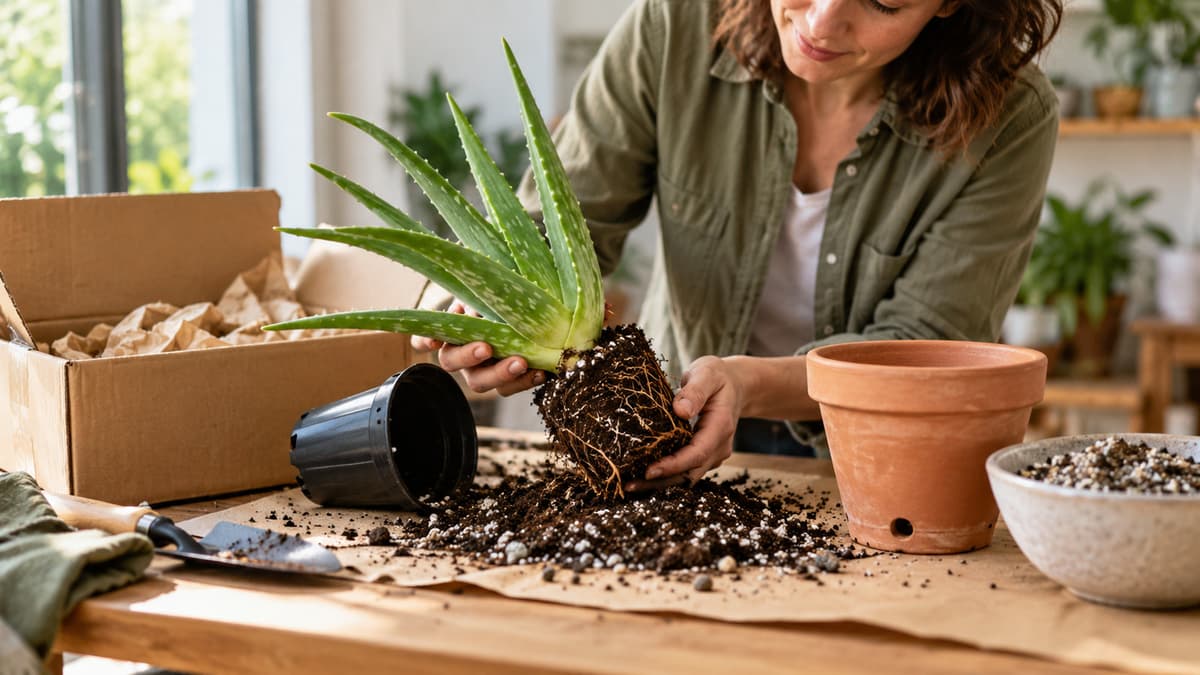
Gloves, a pot with a hole, and why a decorative cover full of water is the usual way these plants fail.