Independent comparisons. We may earn from shop links. More info

How to use an indoor greenhouse

Updated: 21 October 2026

The cover is up, the trays are inside, and the plastic is already fogged. How to use an indoor greenhouse is mostly a daily habit: where it stands, how you water, and when you open the zip. Leave it sealed after germination and you invite damping off. This page runs the cover. It does not rank the models in our [indoor greenhouse comparison](/hub/raised-beds-greenhouses-and-compost/indoor-greenhouse). Peter F. followed Royal Horticultural Society guidance and the listing limits in this set. There was no grow trial. If you buy through our amazon.co.uk links, we may earn a commission at no extra cost to you.

The cover is up, the trays are inside, and the plastic is already fogged. How to use an indoor greenhouse is mostly a daily habit: where it stands, how you water, and when you open the zip.

Our top picks

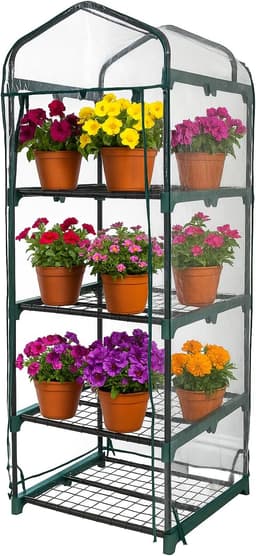
DIVCHI DIVCHI 4-tier PVC

Best overall

DIVCHI DIVCHI 4-tier PVC
9.0/10about £17.29
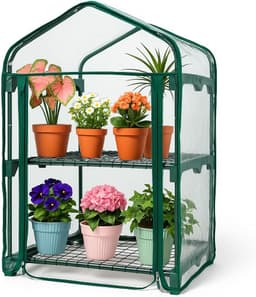
DIVCHI DIVCHI 2-tier PVC

Best value

DIVCHI DIVCHI 2-tier PVC
6.8/10about £14.29
On this page

Where to stand it

Put the house in the brightest part of the room that is not on a radiator. A clear cover traps warmth, and the listings do not state a safe gap from a hot panel. The RHS warns that a small greenhouse overheats once the air climbs above about 27°C. On a bright afternoon, open the door or move the house back from the glass. A north-facing corner stays cooler and dimmer. The cover will not add daylight there. On a porch, stand it against a wall. Out on an open balcony, weight the legs and do not trust a wheel brake. Ohuhu reviews praise rolling a house between kitchen and garden, and they also say wind knocks it over. Size and materials sit on the indoor greenhouse buying guide.

Watering and humidity

Water the compost, not the leaves, and prefer the bottom of the tray when you can. Sit a tray in a shallow bath, then let it drain. The RHS links damping off to high humidity, cold slow growth, and poor air. A soaked tray in a zipped tent is that pattern in a small box. Seed compost should be moist, not swimming. A light mist on the plastic is normal. Streams onto the seedlings mean the door stayed shut too long. None of the plain PVC houses here is sold as a thermostatic propagator. If the compost dries at the edges while the plastic streams, the zip is the tool that fixes it.
DIVCHI DIVCHI 4-tier PVC

Testsieger

DIVCHI DIVCHI 4-tier PVC
9.0/10about £17.29

Ventilation and condensation

On these cheap covers, the zip is the vent. The DIVCHI-style listings do not promise an automatic roof light. The RHS treats poor ventilation as a standing limit of mini greenhouses and tells you to open covers on mild days. After germination, open the door for a proper airing each day, longer if the room is warm. A door left wide in a cold draught is a different mistake. If the skin is dripping by mid-morning, the night was too sealed. Wipe the plastic so water does not drip onto the leaves. Mould on the compost means the air has been still and wet. Do not keep that tray zipped.

After the seedlings are up

Once the seed leaves are open, the cover is a part-time tool. Reduce the hours it stays closed. Seedlings that stretch toward the plastic, with long pale stems, have had too little light or too much sealed warmth, often both. Give them the brightest safe spot and more open air. A dull room is a different problem, covered on the indoor greenhouse with grow lights page. Prick out before they jam the shelf. A crowded tray stays wet at the base and thin at the top.

Hardening off before you plant out

Hardening off is a two-to-three-week habit, not a single afternoon. The RHS describes more outdoor time each day, then nights out only when the plants have toughened, with protection if a cold snap returns. An indoor zip house is not that process. Start with a few sheltered hours in a porch, then bring the trays in. None of these listings states a frost rating. A light PVC skin will not hold a hard frost off a tender plant. Finish the hardening on the patio, not inside the zip. If you are unsure about a late frost where you are, wait. Sowing choices sit on the indoor greenhouse for seedlings page.

Common questions

Where should I put a mini greenhouse indoors?
Choose a bright spot off direct heat, with room to open the door. A south-facing window works in spring if you vent on hot afternoons, because a small covered volume can climb past about 27°C. Keep the plastic off a radiator. The listings do not give a clearance distance. A porch against a wall is steadier than an open balcony. Weight and shelter matter as soon as the house is outdoors in wind.
How often should I open the zip?
Open it every day once seed has germinated, for a real airing, and for longer when the room or the sun is warm. Before germination, a shorter opening still lets you check moisture without dumping all the humidity. These covers do not have automatic roof vents. The zip is the vent. A door left shut from Monday to Friday is how condensation and damping off get a hold.
How do I stop condensation and mould?
Water from below when you can, let trays drain, and open the door before the plastic streams. Wipe drips so they do not fall on the leaves. Sow thinly. Mould on the compost means the air has been still and wet, which is the pattern the RHS links to damping off. Do not answer mould by zipping the tent tighter. Answer it with air and a drier surface.
When do I ease the cover after germination?
As soon as the seedlings are up, cut the hours the skin stays closed. A propagator lid and a zip tent share this limit: leaving the cover on a bit longer makes soft, leggy growth. Keep a crack of air, rotate shaded lower shelves, and prick out before the tray is a mat. Fully closed until planting week is too long for almost every tender sow.
How do I harden off before planting out?
Plan two to three weeks, which is the RHS frame. Start with a few sheltered outdoor hours, increase the time, and only then try a night out, with cover ready if the forecast drops. The indoor tent is not a substitute for that. It is not frost-proof. Finish acclimatisation in real air on the patio before you plant, and wait if a late frost is likely where you are.

Related pages

Sources

Public UK sources from the research digest, last checked on 20 October 2026.

  1. RHS, Coldframes and mini-greenhouses (retrieved 20.10.2026)
  2. RHS, Greenhouse ventilation and shading (retrieved 20.10.2026)
  3. RHS, Propagation techniques (retrieved 20.10.2026)
  4. RHS, Hardening off tender plants (retrieved 20.10.2026)
  5. Electrical Equipment (Safety) Regulations 2016, regulation 35 (retrieved 20.10.2026)
  6. GOV.UK, General Product Safety Regulations 2005 (retrieved 20.10.2026)
  7. Electrical Safety First, plugs and fuses (retrieved 20.10.2026)
  8. Gardeners' World, best indoor greenhouses (retrieved 20.10.2026)