Varnish for quarry tiles and interior slate
A dull quarry floor in a British hall, or riven slate in a kitchen, is the usual reason you search for a varnish for quarry tiles. A clear film can sheen a clean, dry interior floor, though the same film can whiten or peel where there is no damp-proof membrane and moisture still has to leave the stone. This page stays with interior quarry, unglazed tile, slate and flagstones. Shelf prices for the tins that name these floors are on the [varnish tiles comparison](/hub/paints-and-varnishes/varnish-tiles). We did not run a laboratory test, and a qualifying purchase can earn a commission at no extra cost to you.
A dull quarry floor in a British hall, or riven slate in a kitchen, is the usual reason you search for a varnish for quarry tiles.
A dull quarry floor in a British hall, or riven slate in a kitchen, is the usual reason you search for a varnish for quarry tiles. A clear film can sheen a clean, dry interior floor, though the same film can whiten or peel where there is no damp-proof membrane and moisture still has to leave the stone. This page stays with interior quarry, unglazed tile, slate and flagstones. Shelf prices for the tins that name these floors are on the varnish tiles comparison. We did not run a laboratory test, and a qualifying purchase can earn a commission at no extra cost to you.
Our top picks
| Badge | Product | Surfaces named | Where listed | Job | Note | Price | Offer |
|---|---|---|---|---|---|---|---|
| Best overall |  CADENCE Cadence acrylic varnish, 500 ml | Ceramics, tiles, stone | – | Craft acrylic | 7.4 | about £18.49 | View offer |
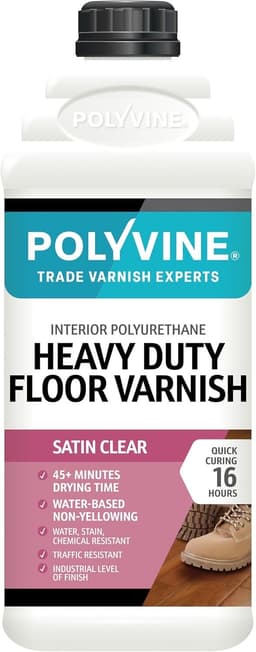
 Polyvine Polyvine floor varnish, satin, 2 L | Quarry, slate, unglazed | Indoor flooring | Interior floor varnish | 9.1 | about £63.83 | View offer | |
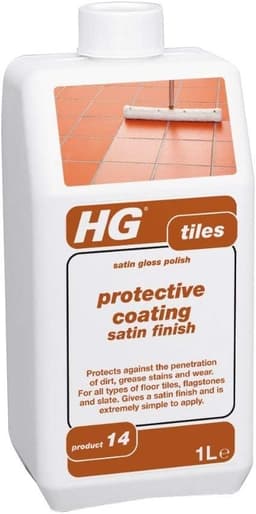
| Best value |  HG HG tile protector, 2 × 1 L | Flagstones, slate, marble | Hall, kitchen, bathroom | Thin tile coating | 8.7 | about £25.90 | View offer |

On this page
What these tins say about quarry and slate
When a film has already failed
No damp-proof membrane
Slate indoors, not a patio
Common questions
Can quarry tiles be varnished at all?
What changes on a Victorian floor with no membrane?
Will a varnish film scratch, and who strips it?
Is interior slate the same decision as a patio?
Do the HG reviews in this set mention slate?
Does the Polyvine ceramic line cover glazed quarry?
How much should I allow for a kitchen?
Related pages
Sources
Public UK and maker sources used for the substrate, VOC and slip points on this page. Prices, stars and review counts are from the amazon.co.uk listings in this set.
- Polyvine technical data sheet, Heavy Duty Floor Varnish, June 2026 (retrieved 17 October 2026)
- Polyvine — Heavy Duty Floor Varnish (retrieved 17 October 2026)
- HG UK tile chart (retrieved 17 October 2026)
- SI 2012/1715 — VOC in paints and varnishes (retrieved 17 October 2026)
- HSE GEIS2 — Assessing the slip resistance of flooring (retrieved 17 October 2026)
- Workplace (Health, Safety and Welfare) Regulations 1992, regulation 12 (retrieved 17 October 2026)
- Lithofin — glazed tiles (UK) (retrieved 17 October 2026)
- Cadence — Aqua Stone varnish (retrieved 17 October 2026)