Tile sealer or varnish: which liquid the floor actually needs
Someone has told you to seal the quarry or the slate, and the tin in front of you on amazon.co.uk says varnish. Tile sealer or varnish is not one product under two names, and shop pages use the word both for a liquid that soaks into open pores and for a film that sits on the face. The three listings in this comparison are films, and none of them is the breathable impregnator HG sells separately. Prices for the three rows are on the [varnish tiles comparison](/hub/paints-and-varnishes/varnish-tiles). We did not run a laboratory test, and a qualifying purchase can earn a commission at no extra cost to you.
Someone has told you to seal the quarry or the slate, and the tin in front of you on amazon.co.uk says varnish.
Someone has told you to seal the quarry or the slate, and the tin in front of you on amazon.co.uk says varnish. Tile sealer or varnish is not one product under two names, and shop pages use the word both for a liquid that soaks into open pores and for a film that sits on the face. The three listings in this comparison are films, and none of them is the breathable impregnator HG sells separately. Prices for the three rows are on the varnish tiles comparison. We did not run a laboratory test, and a qualifying purchase can earn a commission at no extra cost to you.
Our top picks
| Badge | Product | Job | Binder | Slip line | Note | Price | Offer |
|---|---|---|---|---|---|---|---|
| Best overall |  CADENCE Cadence acrylic varnish, 500 ml | Craft acrylic | Acrylic | No | 7.4 | about £18.49 | View offer |
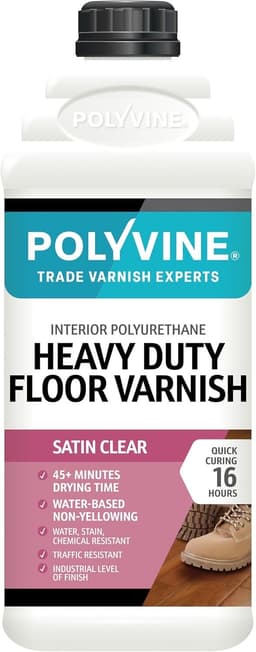
 Polyvine Polyvine floor varnish, satin, 2 L | Interior floor varnish | Water-based PU | No | 9.1 | about £63.83 | View offer | |
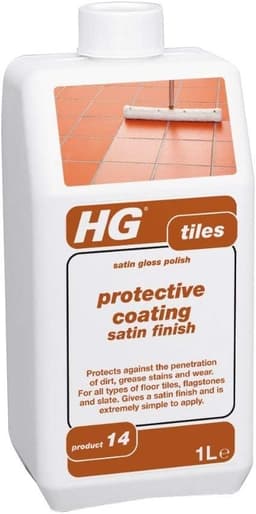
| Best value |  HG HG tile protector, 2 × 1 L | Thin tile coating | Polymer emulsion | Non Slip tick | 8.7 | about £25.90 | View offer |

On this page
Two meanings of sealer
HG product 14 is the film you can buy here
A closed glaze is a third case
When the film is still the right tin
Common questions
What is the difference between a sealer and a varnish on a tile?
Is HG tile protector an impregnating sealer?
Will a film change how slippery the floor is?
Can I put product 13 and product 14 on the same floor?
What do I buy if none of the three tins is an impregnator?
Related pages
Sources
Public UK and maker sources used for the substrate, VOC and slip points on this page. Prices, stars and review counts are from the amazon.co.uk listings in this set.
- Polyvine technical data sheet, Heavy Duty Floor Varnish, June 2026 (retrieved 17 October 2026)
- Polyvine — Heavy Duty Floor Varnish (retrieved 17 October 2026)
- HG UK tile chart (retrieved 17 October 2026)
- SI 2012/1715 — VOC in paints and varnishes (retrieved 17 October 2026)
- HSE GEIS2 — Assessing the slip resistance of flooring (retrieved 17 October 2026)
- Workplace (Health, Safety and Welfare) Regulations 1992, regulation 12 (retrieved 17 October 2026)
- Lithofin — glazed tiles (UK) (retrieved 17 October 2026)
- Cadence — Aqua Stone varnish (retrieved 17 October 2026)