Varnish for tiles: which liquid belongs on your floor
A dull quarry or slate floor in a British hall is what sends most people to amazon.co.uk with the search varnish for tiles. The aisle returns three liquids with three jobs: a 2 litre polyurethane, a twin-pack tile polish, and a 500 ml craft bottle. Trade pages often treat a surface film as the wrong default where there is no damp-proof membrane, or where the glaze is already closed. The three kept listings, with live prices, sit on the [varnish tiles comparison](/hub/paints-and-varnishes/varnish-tiles). We did not run a laboratory test, and a qualifying purchase can earn a commission at no extra cost to you.
A dull quarry or slate floor in a British hall is what sends most people to amazon.co.uk with the search varnish for tiles.
A dull quarry or slate floor in a British hall is what sends most people to amazon.co.uk with the search varnish for tiles. The aisle returns three liquids with three jobs: a 2 litre polyurethane, a twin-pack tile polish, and a 500 ml craft bottle. Trade pages often treat a surface film as the wrong default where there is no damp-proof membrane, or where the glaze is already closed. The three kept listings, with live prices, sit on the varnish tiles comparison. We did not run a laboratory test, and a qualifying purchase can earn a commission at no extra cost to you.
Our top picks
| Badge | Product | Job | Binder | Surfaces named | Note | Price | Offer |
|---|---|---|---|---|---|---|---|
| Best overall |  CADENCE Cadence acrylic varnish, 500 ml | Craft acrylic | Acrylic | Ceramics, tiles, stone | 7.4 | about £18.49 | View offer |
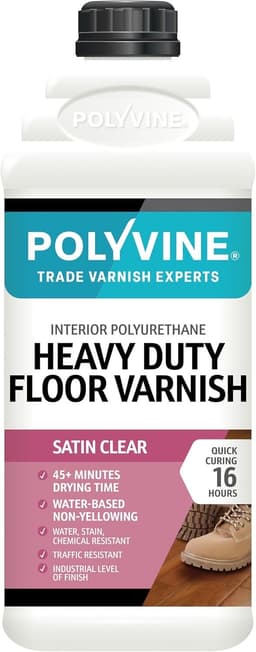
 Polyvine Polyvine floor varnish, satin, 2 L | Interior floor varnish | Water-based PU | Quarry, slate, unglazed | 9.1 | about £63.83 | View offer | |
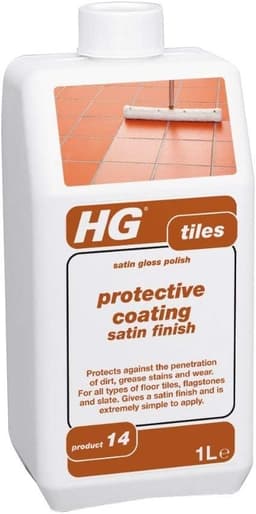
| Best value |  HG HG tile protector, 2 × 1 L | Thin tile coating | Polymer emulsion | Flagstones, slate, marble | 8.7 | about £25.90 | View offer |

On this page
Three different liquids
What the sheet names, not the widest materials line
When the tin is the wrong tool
Conflicts you should read before you pay
Common questions
Is varnish for tiles the same product as a tile sealer?
Can the Polyvine line that says ceramic be used on glazed porcelain?
Why is the £18.49 bottle the highest price per litre?
Does a higher star rating mean the better floor?
Why do two HG listings print different square metres per litre?
What must I not treat as a slip test?
Related pages
Sources
Public UK and maker sources used for the substrate, VOC and slip points on this page. Prices, stars and review counts are from the amazon.co.uk listings in this set.
- Polyvine technical data sheet, Heavy Duty Floor Varnish, June 2026 (retrieved 17 October 2026)
- Polyvine — Heavy Duty Floor Varnish (retrieved 17 October 2026)
- HG UK tile chart (retrieved 17 October 2026)
- SI 2012/1715 — VOC in paints and varnishes (retrieved 17 October 2026)
- HSE GEIS2 — Assessing the slip resistance of flooring (retrieved 17 October 2026)
- Workplace (Health, Safety and Welfare) Regulations 1992, regulation 12 (retrieved 17 October 2026)
- Lithofin — glazed tiles (UK) (retrieved 17 October 2026)
- Cadence — Aqua Stone varnish (retrieved 17 October 2026)