Best varnish for tiles
A dry quarry hall or a slate kitchen is the usual reason you are looking for the best varnish for tiles on amazon.co.uk. Three listings sit in the same browse, and they are not three versions of one job. The top pick is the floor varnish whose sheet names quarry, unglazed tile and slate. The best value is the tile polish with the lowest price per litre. Live prices for the three rows are on the [varnish tiles comparison](/hub/paints-and-varnishes/varnish-tiles). We did not run a laboratory test, and a qualifying purchase can earn a commission at no extra cost to you.
A dry quarry hall or a slate kitchen is the usual reason you are looking for the best varnish for tiles on amazon.co.uk. Three listings sit in the same browse, and they are not three versions of one job.
A dry quarry hall or a slate kitchen is the usual reason you are looking for the best varnish for tiles on amazon.co.uk. Three listings sit in the same browse, and they are not three versions of one job. The top pick is the floor varnish whose sheet names quarry, unglazed tile and slate. The best value is the tile polish with the lowest price per litre. Live prices for the three rows are on the varnish tiles comparison. We did not run a laboratory test, and a qualifying purchase can earn a commission at no extra cost to you.
Our top picks
| Badge | Product | Finish | Coverage | Slip line | Note | Price | Offer |
|---|---|---|---|---|---|---|---|
| Best overall |  CADENCE Cadence acrylic varnish, 500 ml | Several finishes | 5–7.5 m² / 500 ml | No | 7.4 | about £18.49 | View offer |
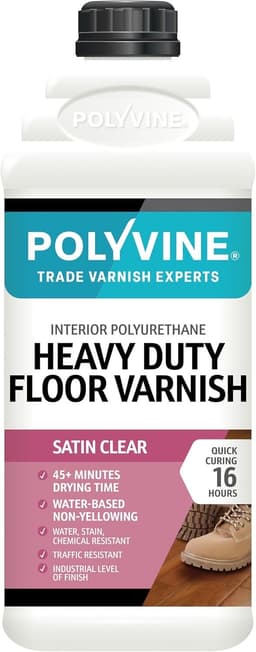
 Polyvine Polyvine floor varnish, satin, 2 L | Satin | 10–20 m²/L | No | 9.1 | about £63.83 | View offer | |
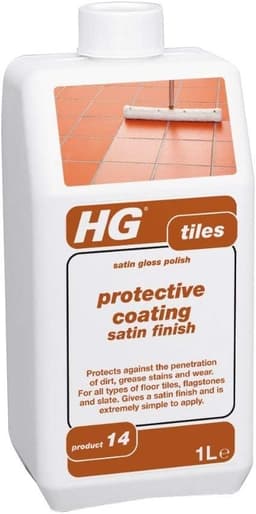
| Best value |  HG HG tile protector, 2 × 1 L | Satin gloss and matt | 40 m²/L | Non Slip tick | 8.7 | about £25.90 | View offer |

On this page
Top pick for a dry interior quarry or slate floor
Best value when you want a thin refresh
The 4.8 bottle is not the floor system
Who should buy none of them
Common questions
Which tin is the top pick, and who should skip it?
What does best value mean for these coatings?
Why is 4.8 from 16 not the winner?
Is the HG a varnish or a polish?
Can I use the Cadence bottle on a kitchen floor?
Does anti-slip wording make the HG the safer pick?
Related pages
Sources
Public UK and maker sources used for the substrate, VOC and slip points on this page. Prices, stars and review counts are from the amazon.co.uk listings in this set.
- Polyvine technical data sheet, Heavy Duty Floor Varnish, June 2026 (retrieved 17 October 2026)
- Polyvine — Heavy Duty Floor Varnish (retrieved 17 October 2026)
- HG UK tile chart (retrieved 17 October 2026)
- SI 2012/1715 — VOC in paints and varnishes (retrieved 17 October 2026)
- HSE GEIS2 — Assessing the slip resistance of flooring (retrieved 17 October 2026)
- Workplace (Health, Safety and Welfare) Regulations 1992, regulation 12 (retrieved 17 October 2026)
- Lithofin — glazed tiles (UK) (retrieved 17 October 2026)
- Cadence — Aqua Stone varnish (retrieved 17 October 2026)