Independent comparisons. We may earn from shop links. More info

Mineral oil or linseed oil for stone?

Updated: October 2026

Choosing mineral oil or linseed oil for stone is not a choice between two pack prices. Mineral oil remains non-drying and suits maintenance jobs where the surface and label permit it; linseed oxidises into a drying finish and brings longer waits plus a cloth-fire precaution. For an indoor food-contact surface, a correctly labelled mineral oil is usually the clearer route. For a compatible terracotta or stone floor, raw linseed may make more sense. Compare the stored bottles on the [stone oil comparison](/hub/paints-and-varnishes/stone-oil), but decide by chemistry and location first.

Choosing mineral oil or linseed oil for stone is not a choice between two pack prices.

Our top picks

On this page

What each oil does after you apply it

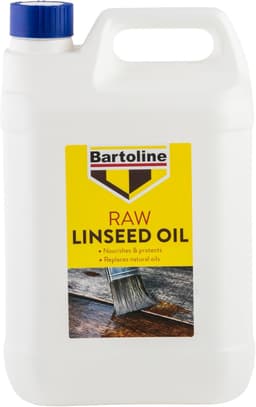
White mineral oil does not cure. A compatible surface can absorb some of it, while the remainder must be wiped away according to the bottle. It can deepen colour but remains a maintenance treatment rather than a permanent sealer. Linseed oil reacts with oxygen to form a drying finish, so it needs thin coats and substantial waiting time. Bartoline's guidance names two or three coats, roughly 24 hours between them and about a week for drying. Boiled linseed is not just raw linseed with a faster name. Commercial boiled products may use processes or driers to speed curing, so their label and manufacturer information control where they belong. Materialix boiled linseed claims around 18 hours to dry and five to ten days to harden, but its stored bullets name wood rather than stone. The stone oil buying guide shows where tung oil, Osmo and sealers fit outside this two-oil decision.

Stone floors and food surfaces need different evidence

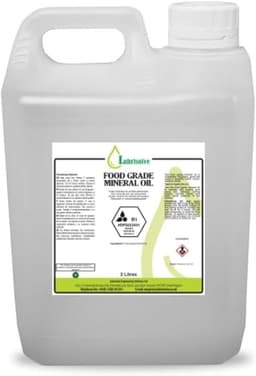
Bartoline raw linseed is the clearer of these two chemistries for a compatible stone floor or terracotta project. Its technical information names those surfaces, and the 5-litre pack costs £27.29, about £5.46 per litre, with a drying schedule, possible odour and careful management of used cloths. That evidence does not make Bartoline suitable for a food-preparation worktop. Its stone-floor sheet is not a food-contact declaration, and a review cannot replace manufacturer documentation. If food may touch the surface, use only a product whose delivered label clearly permits that use. Mineral oils in the set are more directly positioned for boards and, in several cases, slate or stone. The physical bottle still matters: one Ourons reviewer reports "for external use only" on a product whose listing said food safe. The slate worktop oil guide explains the additional supplier-first check for indoor stone. Mineral oil is not edible merely because it is sold for food-contact materials. It can carry an aspiration warning, so follow its storage and first-aid instructions.

Raw linseed, boiled linseed and the cloths

Raw and boiled linseed both cure by oxidation, which releases heat. If you crumple or pile oil-soaked cloths, the heat can become trapped and start a fire. UK fire services advise spreading cloths safely outdoors, soaking them, or keeping them under water in a lidded metal container before disposal according to local guidance. Do not leave them on a workbench or in an indoor bin. That cloth precaution does not apply in the same way to mineral oil, which remains non-drying. That does not remove ordinary flammability and storage precautions: Materialix, for example, warns that overheated mineral-oil vapour is highly flammable. The Materialix listing carries a food-contact claim, but its stored evidence does not include the cited certificate and its bullets do not name stone. For the practical coat and cloth routines, use how to apply stone oil.

Which one should you choose, and when neither?

Choose mineral oil when you need a non-drying maintenance treatment for a surface that the manufacturer names, particularly an indoor board or slate worktop where the delivered label supports food contact. Both the top pick and the best value still depend on the worktop supplier allowing mineral oil. Choose raw linseed when the maker names your stone floor or terracotta, you want a drying finish and you can allow about a week plus safe cloth handling. Bartoline's lower price per litre is a different chemistry and job, not evidence that it is a better mineral oil. Sometimes neither oil is right. Osmo 620 is a separate exterior treatment for absorbent stone and terracotta.

Common questions

What is the main difference between mineral and linseed oil?
Mineral oil remains non-drying, so it acts as a renewable maintenance treatment. Linseed oil oxidises and forms a drying finish, which requires waiting between coats and careful handling of oil-soaked cloths. Neither behaviour is automatically better for every stone.
Which is better for a stone floor?
Raw linseed can be the better choice when the manufacturer specifically names the floor material; Bartoline names stone floors and terracotta. Mineral oil may remain greasy on an unsuitable floor and does not cure. Confirm porosity, existing treatment and maker instructions first.
Which is better for an indoor food worktop?
A correctly labelled mineral oil is usually the clearer option when the worktop supplier permits it and both the surface claim and food-contact wording match. Do not use Bartoline’s stone-floor claim or a reviewer’s comment as evidence for food-worktop suitability.
Is boiled linseed the same as raw linseed?
No. Boiled linseed products are designed to cure faster and may involve driers or other processing. Their labels and technical sheets determine suitable surfaces and food-contact conditions. Do not transfer Bartoline raw linseed’s stone-floor claim to Materialix boiled linseed.
Do mineral-oil cloths self-heat?
Mineral oil does not cure through the same heat-releasing oxidation, so its cloths are not the classic linseed-rag fire case. Keep all oils away from heat and follow their labels, but apply the strict spread, soak or water-filled metal-container routine to drying-oil cloths.
Does mineral oil go rancid like cooking oil?
Highly refined mineral oil is not a vegetable cooking oil and does not go rancid through the same process. That does not prove any unlabelled mineral oil is suitable for a food surface. Buy a product whose physical label names the intended use.
When should I choose neither?
Choose neither when the surface supplier specifies a dedicated sealer, the exterior stone needs Osmo’s separate system, the intended finish calls for tung oil, or the “stone” is a sharpening stone. Damp, flaking or warranted surfaces should be assessed before treatment.

Related pages

Sources

Public UK sources used for the food-contact, VOC, labelling and cloth-safety points on this page. Prices, stars and review counts are from the amazon.co.uk listings in the mid-October 2026 extracts.

  1. Osmo UK — Stone and terracotta oil, exterior (retrieved 17 October 2026)
  2. Osmo UK — Stone and terracotta oil product information (retrieved 17 October 2026)
  3. Bartoline raw linseed oil safety data sheet (retrieved 17 October 2026)
  4. East Sussex Fire and Rescue Service — The fire hazards of linseed oil (retrieved 17 October 2026)
  5. Northamptonshire Fire and Rescue Service — Oil-cloth combustion warning, 2020 (retrieved 17 October 2026)
  6. Food Standards Agency — Food contact materials authorisation guidance (retrieved 17 October 2026)
  7. SI 2012/1715 — VOC in paints, varnishes and vehicle refinishing products (retrieved 17 October 2026)
  8. Health and Safety Executive — GB CLP (retrieved 17 October 2026)