Independent comparisons. We may earn from shop links. More info

Best stone oil for each surface and job

Updated: October 2026

The best stone oil is not the bottle with the highest star line; it is the one whose chemistry, label and application match your surface. In the twelve stored amazon.co.uk listings, a food-contact mineral oil, an exterior stone treatment, raw linseed, a nano spray and honing oil solve different problems. Our [stone oil comparison](/hub/paints-and-varnishes/stone-oil) holds the full price and specification table. Here, the useful question is who should buy each credible option and who should skip it, based on the stored UK listings rather than a laboratory test.

The best stone oil is not the bottle with the highest star line; it is the one whose chemistry, label and application match your surface.

Our top picks

On this page

Best mineral oil when food may touch the surface

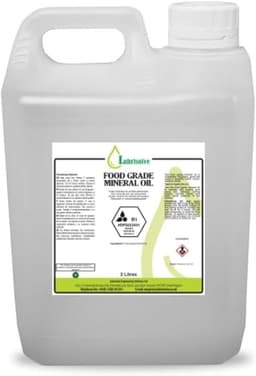
Brandon Bespoke 500 ml is the strongest all-round mid-sized choice. It costs £11.95, names wood, worktops, slate and stone, and carries a 4.7 rating from 1,538 reviews. Its manageable bottle and clear job fit make it our top pick when the surface supplier permits mineral oil and the delivered label confirms the intended food-contact use. It does not cure, however, so skip it if you expect a hard stain-resistant sealer. Lubrisolve is the best value within the mineral-oil group. The 2-litre pack costs £16.99, about £8.50 per litre, and the listing names slate, stone, boards and utensils with a direct food-contact claim. That price makes sense for repeated maintenance or several surfaces, but the pack is excessive for one small board. Ourons needs particular caution because one stored UK review says the bottle stated "for external use only" while the listing called it food safe. The 100 ml packs suit a tiny trial rather than a large worktop. The stone oil buying guide explains why the physical label must settle that conflict.

Best oil for outdoor absorbent stone

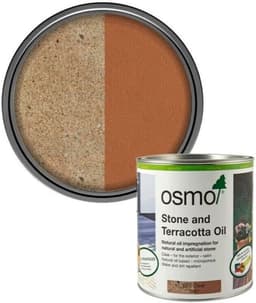
Osmo 620 is the most direct choice for exterior absorbent stone and terracotta. The 0.75-litre tin costs £26 and has a 5.0 rating, but that score comes from only 14 reviews. UK reviewers describe use on sandstone steps, terracotta patios and a tiled porch. The maker requires very thin coats with every pool wiped away, and one reviewer linked oil left in pitted stone with white patches. Choose Osmo when you want a clear satin exterior treatment and a test area shows that the stone absorbs it. Skip it for polished or otherwise non-absorbent stone, and do not extend its exterior positioning to an indoor food worktop. Bartoline raw linseed is the value option for a large compatible stone floor or terracotta project. Five litres costs £27.29, about £5.46 per litre, and the listing has 4.7 from 536 reviews. That low unit price comes with a different chemistry: allow about 24 hours between coats and around a week for drying, expect possible odour, and handle used cloths as a self-heating fire risk. It is not the better bargain for a food surface merely because it costs less than mineral oil. For application differences, see how to apply stone oil.

Best only for a different job

Brandon Bespoke tung oil costs £13.95 for 500 ml and names wood, slate and stone. It suits a matt drying-oil finish if you can allow several coats and overnight waits. One UK reviewer reported that the smell persisted for three weeks, while the listing's coverage figures contradict each other. Materialix boiled linseed costs £13.95 for 1 litre. The listing gives around 18 hours to dry and five to ten days to harden, but its stored bullets name wooden worktops, blocks, furniture and outdoor timber rather than stone. It therefore belongs on the shortlist for compatible timber, not as a default stone recommendation. Nano Z at £24 for 400 ml is a water-based hydrophobic spray, not an oil. Buy it only if you have decided that a compatible spray sealer is the job and a patch test succeeds. Lansky honing oil is easier to dismiss: its reviews concern sharpening stones. It should never be selected for a worktop because "stone" appears in the use.

What best must not mean

These recommendations compare stored amazon.co.uk listing facts, prices, ratings and available review signals; they are not results from our own laboratory test. A large review count improves the evidence behind a marketplace rating, but it cannot make the wrong chemistry suitable. Best must also include a surface and condition. None of these bottles is the single winner for every stone. If your choice is specifically between mineral and linseed, use the mineral oil or linseed comparison rather than comparing their unit prices alone.

Common questions

What is the best-value mineral oil in this comparison?
Lubrisolve costs £16.99 for 2 litres, about £8.50 per litre, which is the lowest comparable unit price among the stored mineral oils. It is sensible for repeated use, though Brandon Bespoke’s £11.95 500 ml bottle is easier to justify for one smaller job.
Is Osmo 620 the best because it has five stars?
No. Its 5.0 rating is based on only 14 reviews, and suitability matters more than the star line. Osmo 620 is a strong exterior option for absorbent stone and terracotta, but it is wrong for non-absorbent stone and is not the default indoor worktop treatment.
Which product suits a slate worktop?
A mineral oil whose listing and delivered label name the intended slate and food-contact use may suit it, but only when the worktop supplier allows oil. Brandon Bespoke, Lubrisolve and Grain Guard are reasonable candidates; none overrides the fabricator’s care instructions.
Is Bartoline raw linseed food safe?
The stored manufacturer information names terracotta and stone floors but is not a food-contact declaration. Do not infer kitchen suitability from a review or from the word “natural”. Use a product whose physical label explicitly matches the food-contact job.
Why is Lansky included if it is not a finish?
It appears in the marketplace set because it is an oil used with stone, but the stone is a sharpening tool. Keeping it visible helps prevent a category error: its strong rating applies to honing, not slate, terracotta or masonry.
Did Products Compared test these oils in a laboratory?
No. The assessment uses stored amazon.co.uk listings, prices, ratings, available UK review signals and public manufacturer guidance. Recommendations are conditional on the stated surface and job, and a discreet test patch remains necessary.

Related pages

Sources

Public UK sources used for the food-contact, VOC, labelling and cloth-safety points on this page. Prices, stars and review counts are from the amazon.co.uk listings in the mid-October 2026 extracts.

  1. Osmo UK — Stone and terracotta oil, exterior (retrieved 17 October 2026)
  2. Osmo UK — Stone and terracotta oil product information (retrieved 17 October 2026)
  3. Bartoline raw linseed oil safety data sheet (retrieved 17 October 2026)
  4. East Sussex Fire and Rescue Service — The fire hazards of linseed oil (retrieved 17 October 2026)
  5. Northamptonshire Fire and Rescue Service — Oil-cloth combustion warning, 2020 (retrieved 17 October 2026)
  6. Food Standards Agency — Food contact materials authorisation guidance (retrieved 17 October 2026)
  7. SI 2012/1715 — VOC in paints, varnishes and vehicle refinishing products (retrieved 17 October 2026)
  8. Health and Safety Executive — GB CLP (retrieved 17 October 2026)