Independent comparisons. We may earn from shop links. More info

Stone oil buying guide: match the oil to the job

Updated: October 2026

You may be looking at a slate worktop, a terracotta step or a wooden board while six very different bottles all appear to promise the same thing. This stone oil buying guide starts with the job and the chemistry, because an Amazon title is not enough to tell you whether a product will soak in, cure, repel water or merely lubricate a sharpening stone. Use the [stone oil comparison](/hub/paints-and-varnishes/stone-oil) once you know which family you need. The first decision is not between brands or star ratings: it is between indoor food-contact maintenance, an exterior finish, a drying oil, a spray sealer and honing oil.

You may be looking at a slate worktop, a terracotta step or a wooden board while six very different bottles all appear to promise the same thing.

Our top picks

On this page

What job is the oil for?

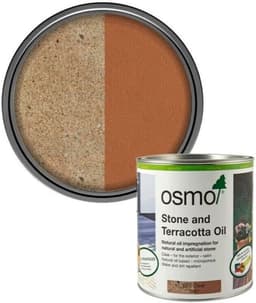
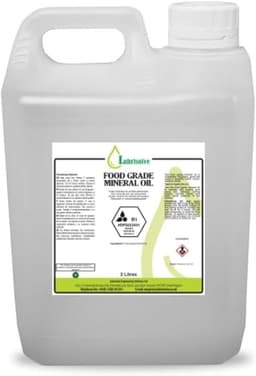
For indoor slate or a wooden board, a non-drying mineral oil can be appropriate when both the surface supplier and the bottle permit it. It tends to deepen colour and remains a maintenance treatment rather than turning into a hard film. That is a different job from protecting absorbent exterior stone, where Osmo 620 is specifically described for outside stone and terracotta and needs two thin, carefully wiped coats. Raw linseed and tung oils sit in another group. They oxidise and form a drying finish, which can suit compatible stone floors, terracotta or timber but creates longer waiting times and a fire risk from carelessly piled application cloths. A water-based nano spray is a sealer rather than an oil, while Lansky honing oil belongs on sharpening stones. If you are choosing between named products, the best stone oil guide explains who each stored listing suits. If your answer is still simply "stone", stop and identify the exact material, finish and location before ordering.

Which chemistry matches that job?

Mineral oil does not cure. You wipe it onto a compatible clean surface, allow the surface to take up what it can, and remove the excess according to that bottle's directions. It can refresh the appearance, but it is not an impregnating sealer and should not be presented as permanent stain protection. Linseed and tung oil cure by oxidation. Bartoline raw linseed names terracotta and stone floors, asks for roughly a day between coats and may take about a week to dry. Brandon Bespoke tung oil names slate and stone and leaves a matt drying finish. Read mineral oil or linseed oil for stone before treating price per litre as a like-for-like comparison. Osmo 620 is neither plain mineral oil nor linseed oil. The maker describes it as an exterior treatment for absorbent stone and terracotta, applied very thinly with all pools removed. Nano Z is a water-based hydrophobic spray, not an oil at all.

What must the label agree with?

When food may touch the finished surface, the listing, delivered label and intended use need to agree. UK food-contact rules place duties on materials intended to contact food; "food grade" is not a universal badge that cancels every hazard statement or proves suitability for every stone. The Ourons listing illustrates why this check matters. The Amazon wording calls it food safe, yet one stored UK reviewer says the received bottle stated "for external use only". That conflict is not something a star rating can resolve. Do not put the oil on a food-preparation surface unless the physical product in your hand clearly confirms that use. The same caution applies in the other direction. A review calling Bartoline raw linseed "food safe" does not replace the manufacturer's technical sheet, which names terracotta and stone floors rather than making a food-worktop declaration.

Which bottles are the wrong job?

Reject a bottle when its chemistry or stated surface does not match, even if it has thousands of positive ratings. Lansky's 4.6 score from 3,600 reviews reflects sharpening use, not performance on a slate worktop. Nano Z's 3.6 score comes with mostly US-labelled stored review bodies and tells you little about UK kitchen use. Osmo 620 is also the wrong answer for non-absorbent stone or an indoor food worktop. The manufacturer says the liquid must be absorbed and no oil should remain on the surface; one UK reviewer linked pooled oil in pits with white marks. Call the fabricator or a stone-care professional when a warranted worktop has its own care sheet, a patio is damp or flaking, or an old wall may contain trapped moisture. Once the product is confirmed, use the chemistry-specific method in how to apply stone oil.

Common questions

Is every product called stone oil the same?
No. The stored listings include non-drying mineral oil, raw and boiled linseed, tung oil, an exterior stone treatment, a water-based spray sealer and honing oil. Their application, drying behaviour, safety precautions and suitable surfaces differ, so the title alone cannot select the product.
When is mineral oil the sensible choice?
Mineral oil can suit an indoor slate surface, wooden board or utensil when the manufacturer names that use and the delivered label agrees, particularly where a non-drying maintenance oil is wanted. It is not a cured sealer and normally needs periodic renewal.
Is Osmo 620 suitable for an indoor slate worktop?
The manufacturer positions Osmo 620 for exterior absorbent stone and terracotta. It is not the default indoor food-worktop treatment, and non-absorbent stone is excluded. Follow the worktop fabricator’s care sheet rather than extending the exterior claim indoors.
Can I use honing oil on a slate worktop?
No based on the stored Lansky listing. That oil is intended for Lansky sharpeners and Arkansas bench stones, where a few drops carry sharpening residue. “Stone” refers to the sharpening tool, not a decorative or food-preparation surface.
Does food grade mean the oil is harmless to swallow?
No. Food-contact suitability describes an intended material use, not a drinkable product. White mineral oil may carry an aspiration hazard, and the label’s storage, first-aid and use instructions still apply. Contact NHS 111 or emergency services as appropriate after an exposure.
When should I ask a professional?
Ask the worktop supplier or a stone-care professional before treating a warranted surface, non-absorbent polished stone, damp or flaking paving, or masonry with possible trapped moisture. A test patch cannot diagnose an underlying moisture problem.

Related pages

Sources

Public UK sources used for the food-contact, VOC, labelling and cloth-safety points on this page. Prices, stars and review counts are from the amazon.co.uk listings in the mid-October 2026 extracts.

  1. Osmo UK — Stone and terracotta oil, exterior (retrieved 17 October 2026)
  2. Osmo UK — Stone and terracotta oil product information (retrieved 17 October 2026)
  3. Bartoline raw linseed oil safety data sheet (retrieved 17 October 2026)
  4. East Sussex Fire and Rescue Service — The fire hazards of linseed oil (retrieved 17 October 2026)
  5. Northamptonshire Fire and Rescue Service — Oil-cloth combustion warning, 2020 (retrieved 17 October 2026)
  6. Food Standards Agency — Food contact materials authorisation guidance (retrieved 17 October 2026)
  7. SI 2012/1715 — VOC in paints, varnishes and vehicle refinishing products (retrieved 17 October 2026)
  8. Health and Safety Executive — GB CLP (retrieved 17 October 2026)