Independent comparisons. We may earn from shop links. More info

How to apply stone oil without marks or hot cloths

Updated: October 2026

Learning how to apply stone oil starts with reading the tin, because mineral oil, Osmo 620 and linseed oil do not share one universal method. The common ground is a clean, dry test area; the differences are coat thickness, waiting time, wipe-off and cloth safety. Confirm the chemistry in the [stone oil comparison](/hub/paints-and-varnishes/stone-oil) before opening the container. The practical aim is to leave only what the surface can accept and to prevent an oxidising-oil cloth from becoming a fire hazard.

Learning how to apply stone oil starts with reading the tin, because mineral oil, Osmo 620 and linseed oil do not share one universal method.

Our top picks

On this page

Prepare the surface before opening the oil

Remove dirt and old residues with the cleaning method approved by the stone or worktop supplier, then let the surface dry fully. For a kitchen slate worktop, that normally means mild pH-neutral cleaner rather than routine vinegar, abrasive pads or wax. Trapped moisture can produce patchiness or a failed finish. Use a discreet test patch or, preferably, an offcut. Observe whether the stone absorbs a small amount evenly, how much the colour changes and whether the surface remains sticky. Dense polished stone may take almost nothing; applying more oil does not fix non-absorbency. The slate worktop oil guide explains why the supplier's care sheet comes before a marketplace title. For Osmo 620, the manufacturer specifies absorbent, clean, dry and frost-free exterior stone. Its UK guidance also advises waiting about seven days after new bedding and using a trial area.

Apply thin coats and wipe off the excess

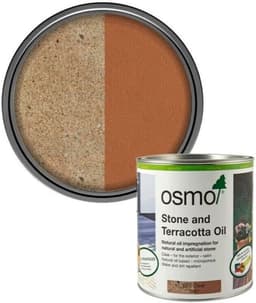
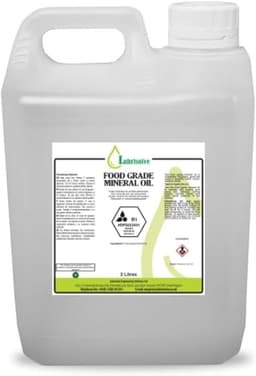
With Osmo 620, stir the product, do not thin it and apply a very thin coat. Work it into the absorbent surface, then use a lint-free cloth to remove all pooling; the maker says no liquid oil should remain on top. Allow roughly 8–10 hours with good ventilation before the second similarly thin coat. The wipe-off is not optional. One stored UK review describes white areas after excess Osmo was left in pits on pitted stone. If oil keeps sitting on the surface, stop instead of trying to force absorption. Non-drying mineral oil follows a simpler wipe, soak and buff pattern, but use the timing printed on your bottle. Brandon Bespoke's maker guidance uses a cloth or paper towel on a clean dry surface, allows absorption, then removes and buffs the excess. Mineral oil never cures into a hard layer, so leaving a thick film produces grease rather than extra protection. Bartoline raw linseed requires two or three thin coats, excess removed, about 24 hours between coats and around a week to dry. Tung oil and boiled linseed have their own label times. Read mineral oil or linseed oil for stone if the product family is still uncertain.

Manage cloths, oxidation and heat

Linseed, tung and boiled linseed oils cure through oxidation, and that reaction releases heat. A crumpled or piled application cloth traps the heat and can ignite. UK fire services advise spreading cloths flat outdoors to dry safely, soaking them, or keeping them under water in a lidded metal container before disposal in line with local guidance. Never leave an oily rag on a bench, in a bin or in the house overnight. Mineral-oil cloths do not self-heat through the same drying reaction because the oil does not oxidise into a cured film. You should still keep mineral oil away from ignition sources, clean spills and follow its label. Materialix mineral oil carries a warning not to overheat it because vapours can be highly flammable. That is a high-temperature vapour hazard, not evidence that a room-temperature wipe cloth behaves like a linseed rag.

Stop when the oil will not behave

Persistent pools, white marks, a tacky film or almost no absorption are reasons to stop adding product. Remove unabsorbed oil using the maker's method and seek product-specific advice before using solvent or another coating. Call a stone-care professional for a damp or flaking patio, moisture trapped in an old wall, or a warranted worktop with its own approved treatment. Choosing another bottle by rating is unlikely to solve a substrate problem; use the stone oil buying guide when the issue is simply a product mismatch. If oil is swallowed or gets into the eyes, follow the label and seek appropriate help through NHS 111 or emergency services. White mineral oil can carry an aspiration hazard, so do not induce vomiting unless a medical professional directs you.

Common questions

How clean and dry must stone be?
The surface should be free from dirt, grease, cleaner residue and moisture, using the care method approved by its supplier. Allow washed stone to dry fully and test a discreet patch. Osmo additionally specifies an absorbent, frost-free exterior surface.
How many coats does Osmo 620 need?
The manufacturer calls for two very thin coats on untreated absorbent exterior stone, with around 8–10 hours between them and ventilation. Remove all pools after each application. A renovation coat may be enough where a compatible finish already exists.
How long does raw linseed oil take to dry?
Bartoline’s technical guidance gives about 24 hours between its two or three coats and roughly a week for drying. Conditions and absorbency can alter the practical result, so do not schedule foot traffic from the Amazon star rating or a generic oil timetable.
Can mineral-oil cloths catch fire like linseed cloths?
Mineral oil does not cure by the same heat-releasing oxidation, so its cloths are not the classic linseed self-heating case. Keep them away from heat and dispose of them responsibly, but reserve the spread, soak or water-filled metal-container routine for oxidising drying oils as directed.
What causes white marks after oiling?
One stored UK review linked white areas to excess Osmo pooled in pits. Thick application, uneven absorption, moisture or an incompatible existing finish can also require investigation. Stop applying more oil, follow the maker’s excess-removal advice and ask a professional if the cause remains unclear.
When should I not oil the surface myself?
Do not proceed when a warranty requires an approved system, the stone will not absorb the test drop, paving is damp or flaking, or an old wall may hold moisture. Those conditions need supplier or professional advice before any further coating.

Related pages

Sources

Public UK sources used for the food-contact, VOC, labelling and cloth-safety points on this page. Prices, stars and review counts are from the amazon.co.uk listings in the mid-October 2026 extracts.

  1. Osmo UK — Stone and terracotta oil, exterior (retrieved 17 October 2026)
  2. Osmo UK — Stone and terracotta oil product information (retrieved 17 October 2026)
  3. Bartoline raw linseed oil safety data sheet (retrieved 17 October 2026)
  4. East Sussex Fire and Rescue Service — The fire hazards of linseed oil (retrieved 17 October 2026)
  5. Northamptonshire Fire and Rescue Service — Oil-cloth combustion warning, 2020 (retrieved 17 October 2026)
  6. Food Standards Agency — Food contact materials authorisation guidance (retrieved 17 October 2026)
  7. SI 2012/1715 — VOC in paints, varnishes and vehicle refinishing products (retrieved 17 October 2026)
  8. Health and Safety Executive — GB CLP (retrieved 17 October 2026)