Independent comparisons. We may earn from shop links. More info

How to fit a magnetic stove fan on a cold flue

Updated: 22.10.2026

How to fit a magnetic stove fan starts on a cold pipe. Prove the magnet holds, set the height the leaflet prints, and light the stove only after the blade spins freely. Sliding a unit down hot enamel, or drilling the flue because a strap is short, is how this goes wrong. Whether you should own one is the [buying guide](/hub/fireplaces-and-stoves/magnetic-stove-fan/sub/magnetic-stove-fan-buying-guide). The ranked rows are the [magnetic stove fan comparison](/hub/fireplaces-and-stoves/magnetic-stove-fan). This uses maker guidance and the saved listings, not a visit to your stove. A qualifying amazon.co.uk purchase can earn a commission at no extra cost to you.

How to fit a magnetic stove fan starts on a cold pipe. Prove the magnet holds, set the height the leaflet prints, and light the stove only after the blade spins freely.

Our top picks

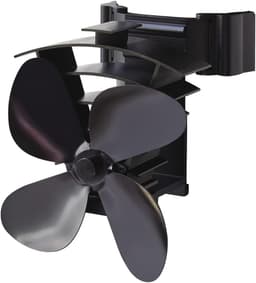
Signstek Signstek CF6-T pipe fan

Alternative

Signstek Signstek CF6-T pipe fan
5.5/10about £31.44
On this page

Before the fire is lit

Work with the stove out. Press a fridge magnet on the section you will use. If it falls off, stop. Stainless and twin-wall are the usual reasons, and no strap here creates a magnetic surface. Fit the blade before the body goes on the pipe. On the Remora the grub screw is finger-tight, not crushed with a tool. The wings pivot from about 45 degrees, so you can aim the air once the body is on. If the blade scrapes on the bench, it will scrape when the pipe is hot. Valiant warns that fingers can be hurt. Keep hands off the blades once the stove is lit.

Height and how the clamp goes on

Valiant’s FIR350 guide places the fan about 20–50 cm above the stove, with about 40 cm called optimum, so the module still sees a difference between the hot pipe and the room. Drcokars prints the same 20–50 cm as a seller line from the fireplace top, and limits diameter to 12–15.5 cm. Use the leaflet in your box. Treat 40 cm as Valiant’s mark, not a universal one. TITECK prints about 8–20 inches above the stove, roughly 20–51 cm. Signstek says use the thermometer and stay inside about 80–345°C. Bring the fan on square. Valiant says the magnets are brittle, so do not let them snap, and do not slide the fan along vitreous enamel. Lift it off cold and place it again. The top of the Remora is meant to stay cooler than the pipe.

Strap, ring, and a pipe that will not hold

A magnet that will not hold is the end of the job. Do not drill the connecting flue. Approved Document J treats that pipe as something that must stay gas-tight. TITECK says no drilling and includes a strap. Signstek includes a fixing ring. Drcokars names magnets, and UK reviews often mention a jubilee clip when the belt is too short. If the strap does not reach, return the fan or buy a clip sold as a clip. Foil under a magnet, which one Drcokars review describes, is not a step in the guide. A plate fan still needs a flat hot top, not a drilled flue.

First fire

Light the stove in the normal way once the blade is free and the fan is at the stated height. The Remora bullets allow one nudge after cold storage, on a blade that already turns. Valiant’s FAQ, if it will not spin, asks whether the pipe is magnetic and whether it reaches about 200°C. That figure is a pipe check, not every brand’s start. Drcokars prints 80–350°C. The Remora listing prints a start as low as 50°C. TITECK prints no degree figure. Move the fan only when the pipe is cold. You should feel a gentle push, not a gale. If you smell smoke at the joints, put the fire out as you already would. Do not over-fire the stove to force a spin. Leave the fan until the pipe is cold before you lift it.

Common questions

How high above the stove should a magnetic stove fan sit?
Use the leaflet in the box. Valiant’s guide says about 20–50 cm above the stove, with about 40 cm called optimum. Drcokars prints 20–50 cm from the fireplace top as its own seller band. TITECK prints about 8–20 inches. Those bands overlap, and they are not one instruction. If your sheet is missing, do not invent a height by sliding the fan while the pipe is hot.
Do I fit the blade first?
Yes. The blade should spin freely in your hands before the body is on the pipe. On the Remora the grub screw is finger-tight. A blade that rubs on the bench will rub worse once everything has expanded. Check that spin cold, then place the fan, rather than discovering the rub after the stove is lit.
What if the magnet will not hold?
Stop, with the stove still cold. A failed fridge-magnet test means this kind of fan has nowhere to live on that pipe. A short strap is a return or a separate clip, not a screw through the flue. Drilling the connecting pipe fights the need for a gas-tight joint. Stainless and twin-wall are the usual pipes that fail the test.
When can I touch the fan?
When the pipe is cold. Place it, nudge a free blade once if the Remora note applies, and then leave it. The blades are open on the Remora, and Valiant says fingers can be hurt. The top of that fan is designed to run cooler than the pipe, which is not the same as cool enough to grab during a fire.
What if it needs a push the first time?
The Remora bullets allow one nudge after cold storage, on a blade that is already free. If it still will not turn, check that the pipe is magnetic and, for that Valiant FAQ, whether the pipe is up around 200°C, then move the fan only when cold. Do not keep flicking a stiff blade, and do not over-fire the stove to force a spin.

Related pages

Sources

Public UK sources used for this comparison. amazon.co.uk prices, stars and review counts were taken from the listings on 19 October 2026.

  1. Valiant Remora product page (retrieved 19 October 2026)
  2. FIR350 user guide (retrieved 19 October 2026)
  3. Remora FAQ (retrieved 19 October 2026)
  4. Caframo Ecofan technical note (retrieved 19 October 2026)
  5. Approved Document J 2022 (retrieved 19 October 2026)
  6. Approved Document J carbon monoxide circular (retrieved 19 October 2026)
  7. GOV.UK smoke and carbon monoxide alarm booklet (retrieved 19 October 2026)
  8. BFCMA general guidance (retrieved 19 October 2026)