Wood burner too hot: the signs, and how to cool it

A wood burner too hot roars, glows, or overheats the room. Partially close the air vents, keep the door shut, and do not treat a stove fan as the cut-off.
On this page
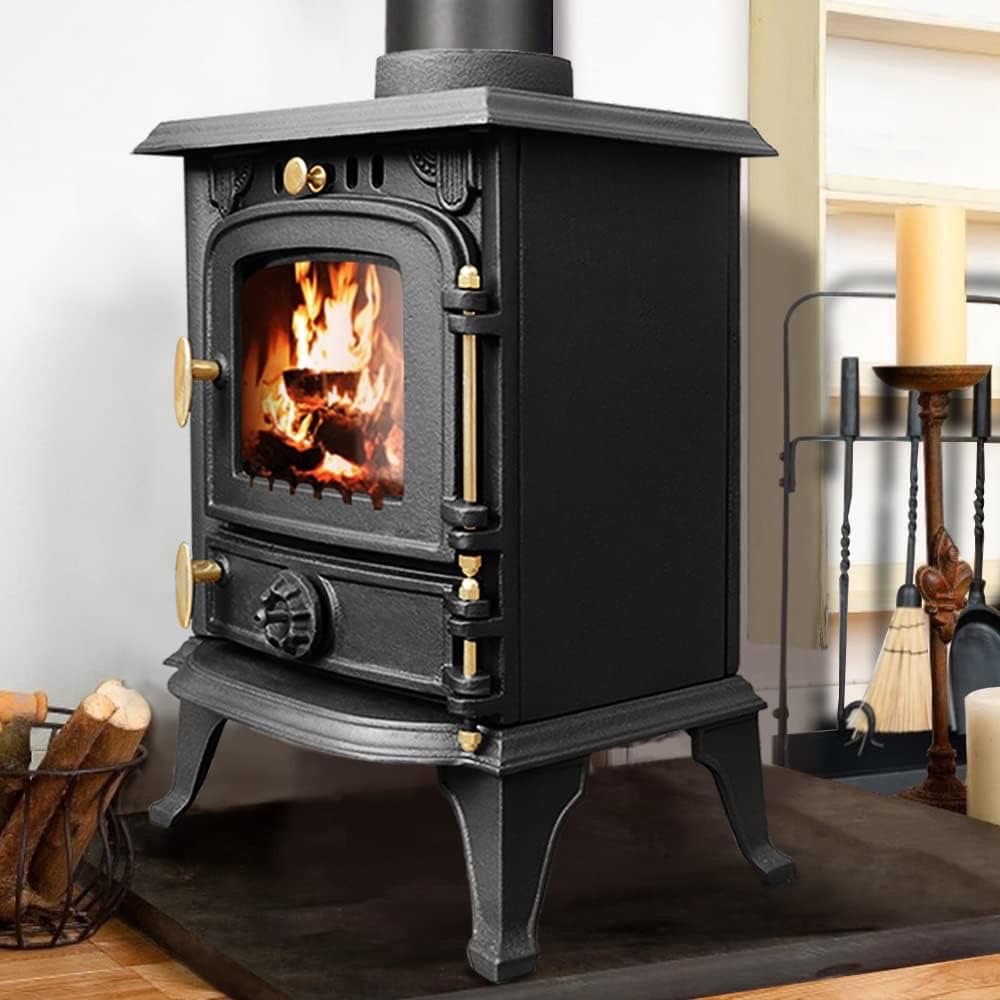
The fire has stopped sounding like logs and started sounding like a blowtorch, and a patch of the stove or the pipe has a dull red that was not there an hour ago. A wood burner too hot is that runaway burn. HETAS, the UK solid-fuel scheme, judges it by what you see and hear, not by one temperature for every model. You bring it down by partially closing the air vents, with the door shut. You do not throw water, and a stove fan will not close the vents for you.
In short
A wood burner too hot shows as blackened glass, a room far too hot, a red-hot stove or flue, or a whooshing sound. HETAS says you cool it by partially closing the air vents and waiting, with the door shut. Do not throw water, do not fully close the vents, and do not expect a stove fan to stop the fire.
Signs you can see and hear
HETAS names four signs while the fire is still going: blackened stove glass, an unusually hot room, red-hot sections of the stove or flue pipe, and a whooshing or blowing sound. You do not need all four before you act. A stove glowing red is a reason for alarm, because that metal has already been excessively hot for a significant time. The red HETAS means is in the body or the pipe, not the orange you can see through the glass.
A healthy fire is bright and moving. Arada, a British stove maker, calls a furnace-like roar overfiring: the fire is getting too much oxygen. A short rush when you light a cold chimney is ordinary. A whoosh that continues once the logs are established is the HETAS blowing sound. Blackened glass is easy to misread, because a fire held too cool also soils the stove. Lazy, smoky flames with nothing else on the list mean you are more likely too cool than too hot.
A stove that is simply too large for the room overheats it even when you burn gently. The wood does not disappear much faster than on a normal evening. Fuel used up much more quickly is the clue that the fire itself is too fierce. If the pipe is changing colour, hotter gases raise the chance of a chimney fire where soot or creosote is already in the flue. Do not put a hand on a stove pipe to check.
Why the fire runs away
HETAS puts an overfiring wood stove down to too much fuel or too much oxygen. The maximum load and the vent positions live only in the manufacturer's instructions. In our wood-burning stove comparison the top pick is the NRG 4.5 kW multifuel stove, about £238.99, with 4.6 from 30 amazon.co.uk reviews: a 48 kg cast-iron stove for a small room and short logs. The flue pipe is not in the box, and the listing's DEFRA line was not matched to the exempt list.
A packed firebox can run away, and extra wood can block the tertiary vents that burn the gases above the logs. Refuel on glowing embers. The body stores heat for many hours after you stop adding wood. Extra oxygen gets in through an open door, vents left fully open, or a deteriorated rope seal. If the roar does not ease after you pull the vents back, air is probably bypassing the controls. Do not repack a rope while the casting is too hot to touch.
Arada says you burn seasoned dry wood, not treated timber, builders' waste, house coal, petcoke, or anything heavy in petroleum or bitumen. HETAS points you towards a sensible amount of Ready to Burn wood rather than wet logs. Wet wood smokes and leaves deposits; it does not calm a fire that is already too hot. On a cold boiler stove, check that the thermostat flap is clear of debris.
What a thermometer can and cannot tell you
A flue-pipe thermometer, as Bowland Stoves describes, shows indicative ranges so you can cut fuel and air. HETAS does not publish one degree for every UK stove, and your manual is the maximum for your model. A 500°C line on another website is that page's rule of thumb, not HETAS text. A stove-top gauge and a single-wall pipe gauge will not agree, and neither is the flame temperature. Twin-wall pipe often reads low outside, so a calm number is not proof the fire is calm. How to read a stove thermometer explains those bands.
Valiant's sheet for the FIR361 heat-powered fan states a maximum operating temperature of 340°C. That is how hot that fan is allowed to get. It is not your stove's overfire temperature. A fast spin only means the top plate is hot enough to run the module. If the pipe gauge is too hot, you can hear a roar, or metal is changing colour, you still judge the stove by the HETAS signs and the manual.
What you find once it has cooled
Some evidence shows only after the metal is cool. HETAS lists a warped baffle, exterior damage, and cracks in the firebricks or the mortar. Cast iron tends to crack. Steel tends to warp. Look past the fine crazing many stoves show after a few winters. Repeated overfiring can damage the airwash, so the glass keeps blackening. HETAS says a warranty is unlikely to cover damage from prolonged overfiring. That is a scheme warning, not a ruling on your paperwork.
Hotter gases raise the chance that soot or creosote already in the chimney will ignite. If the stove or the pipe has been far too hot, book a HETAS-approved sweep before you burn again. A HETAS-approved servicing technician should decide whether a baffle is still serviceable, whether a rope seal has failed, and whether the stove is simply the wrong output for the room. Leave the stove out of use until that visit if any of these cooled-stove signs are there. What that visit covers is in servicing a wood-burning stove.
What to do while it is still too hot
HETAS cools an overfiring stove by partially closing the air vents and waiting. Stay with it. If you choke the burn until it smoulders, you swap a runaway fire for incomplete combustion. When the flames are bright and steady, set the vents where the manual puts them for a working fire. Do not throw water on the fire, because a dousing can crack hot cast iron or steel. Do not open the door, do not touch the stove, and do not fully close the vents. Most modern stoves cannot be shut fully, and a total shut risks a smoky burn.
The room can stay warm after the flames quieten, because a modern stove keeps radiating heat for many hours. That warmth does not prove the fire is still running away. Judge what is left by the sound, the colour of the metal, and how fast any remaining wood is disappearing. If metal is still glowing, or the roar continues, leave the stove unused once it has cooled. If you believe the chimney is on fire, get everyone out and call 999. Otherwise book a HETAS-approved servicing technician before another load of logs.
Why the fan is not the safety control
A heat-powered stove fan turns because the base is hotter than the finned top. It moves room air. It does not close the air controls or switch the stove off. A fast spin while the fire is roaring does not mean the burn is inside the manual. The stove fan comparison is about moving heat you already have. A bimetal strip may lift the base to protect the module. It does not reduce the stove's output. Use 340°C as the FIR361 fan's ceiling, not as the point at which your wood burner is too hot.
Do not grab a hot fan base. The Valiant FIR361 on amazon.co.uk, listing B00LEO7W7U, was listed at £39.99 with a rating of 4.5 from 2,228 reviews, and that listing does not include a thermometer. A qualifying purchase through our link can earn us a commission at no extra cost to you. Products Compared has not fire-tested this fan, or any stove, in a lab. The 340°C figure is from Valiant's sheet, the price and the review count are from that listing, and the overfiring signs are from HETAS.
Common questions
How do I know the stove is too hot?
Is glowing metal an emergency?
What does a whooshing sound mean?
Should I throw water on an overfiring stove?
Will the stove fan switch the fire off?
What temperature is too hot for a wood burner?
Why is the stove glass black?
When do I call a professional?

Peter F. is the editor for DIY & tools at productscompared.co.uk. Comparisons in this category are checked against amazon.co.uk listings, review evidence and public UK sources.
Related articles
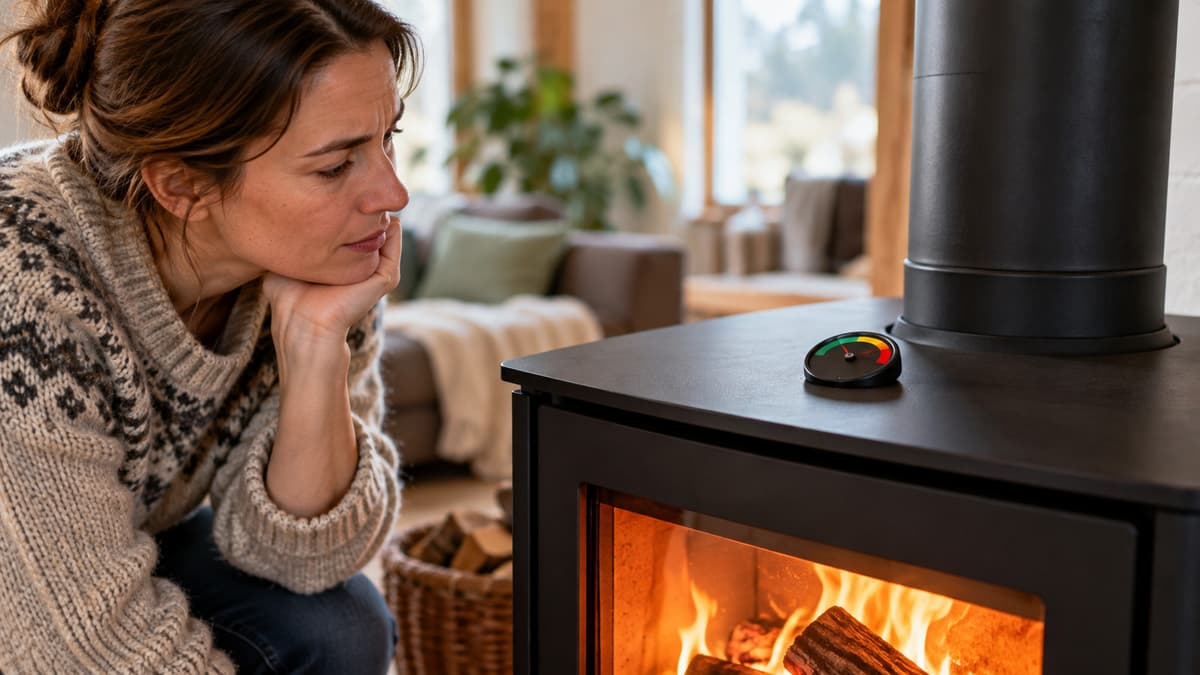
How to read a stove thermometer
A flue-pipe gauge and a stove-top gauge do not match. Treat the bands as that gauge's guide, then follow the stove manual.

Why a stove fan will not spin
A still fan is often a cool stove top, a poor spot, or a dead module. It is not proof the fire has dropped to a safe heat.
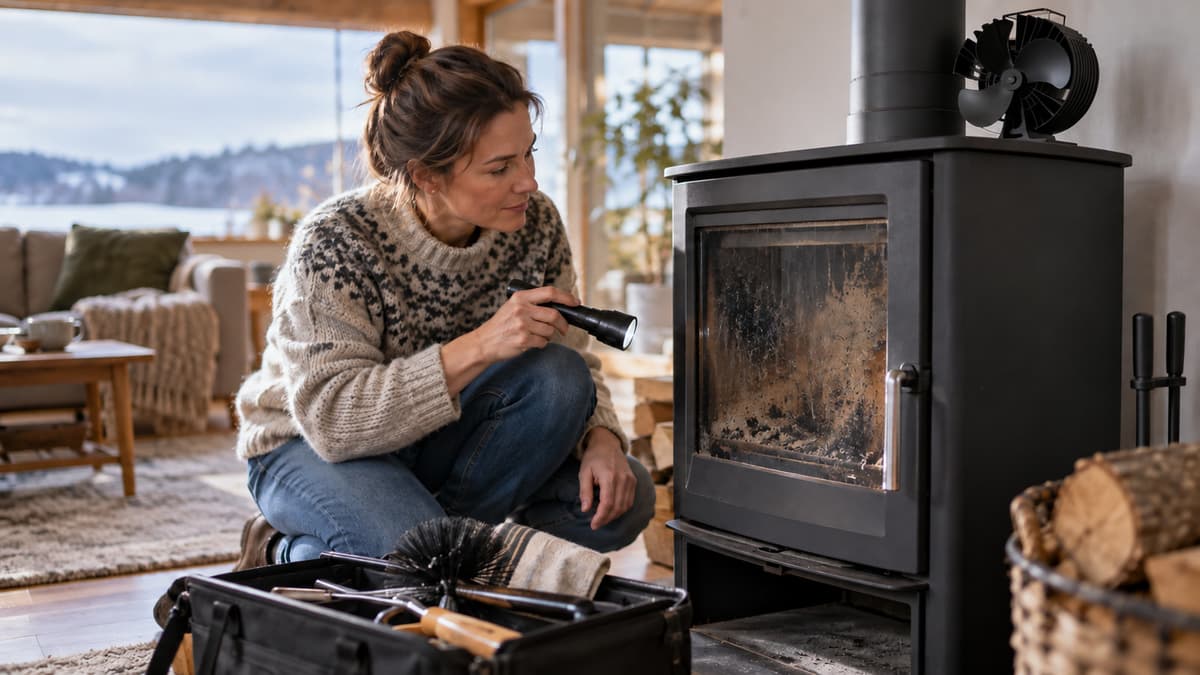
Servicing a wood-burning stove
HETAS points to a yearly service. After a runaway burn, a warped baffle or cracked firebrick is a reason to book sooner.