Wood burning stove service: what a yearly visit covers
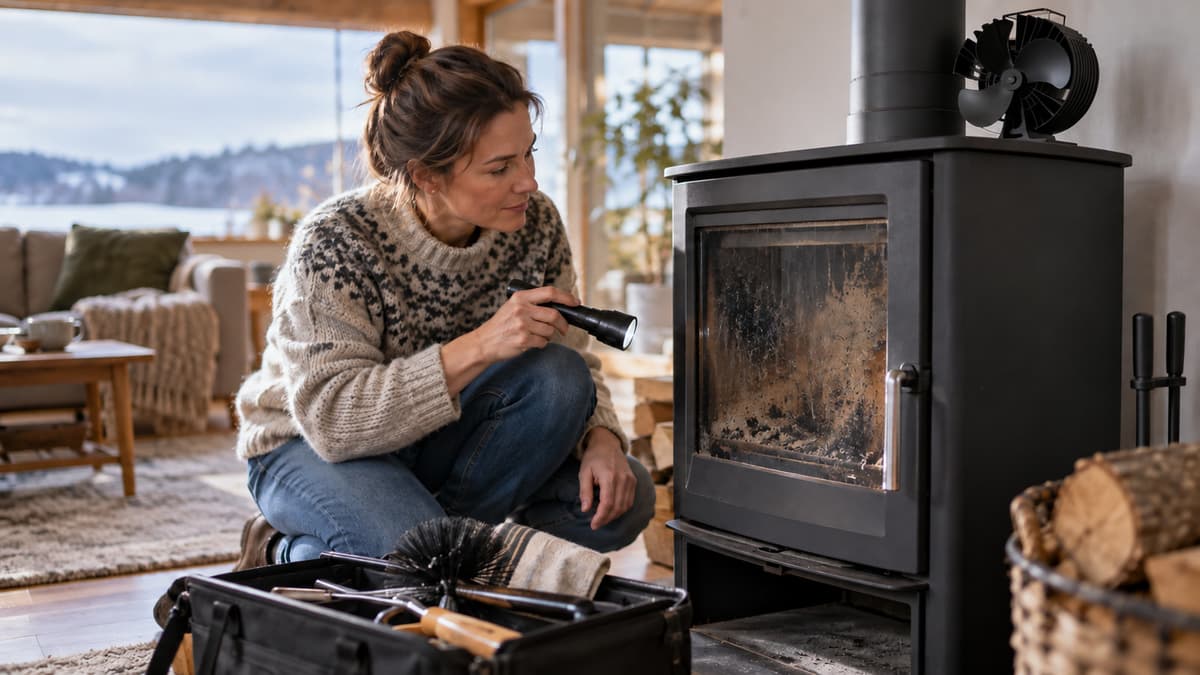
Book a wood burning stove service at least yearly, or sooner if the maker's schedule is stricter. The visit checks seals, air intake and the CO alarm.
On this page
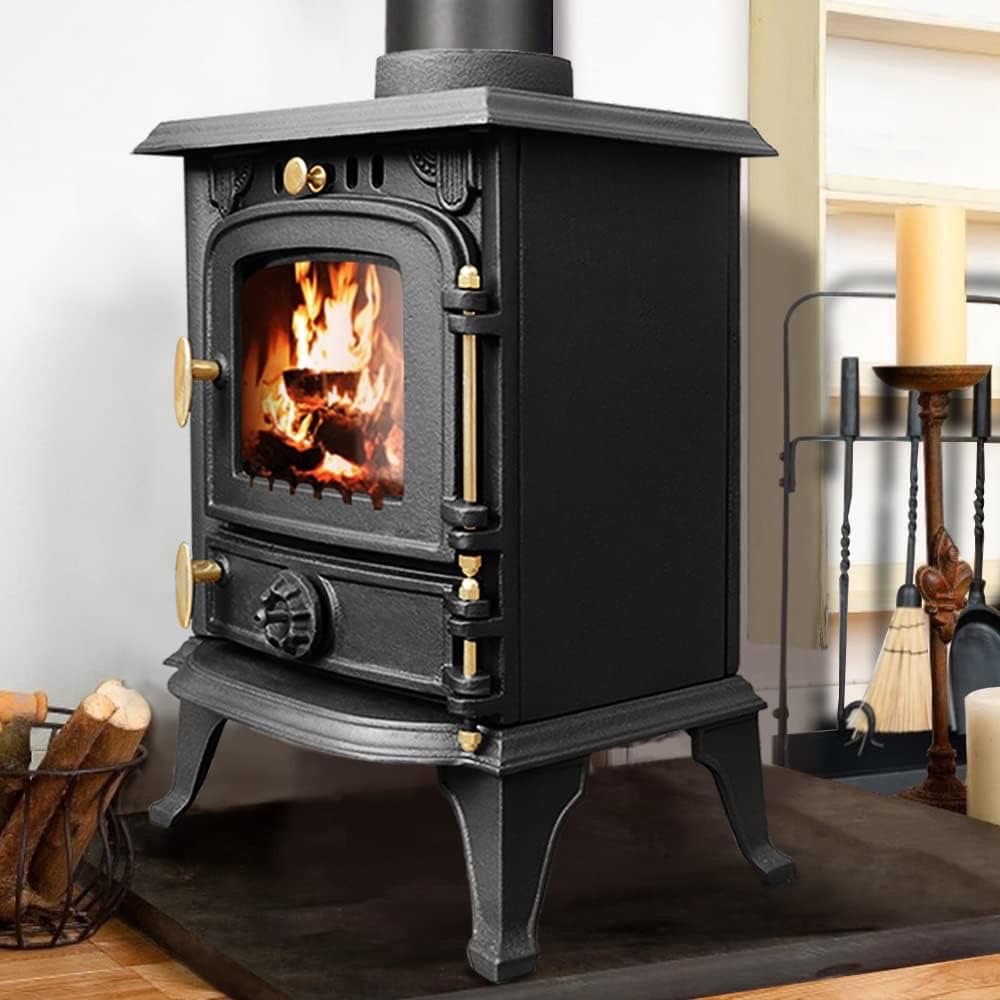
The first cold week is when the stove stops feeling new. A wood burning stove service is the separate visit HETAS describes: at least once a year, or sooner when the manufacturer's instructions set a shorter gap. A chimney sweep is another booking, and a fan on the top plate does not stand in for either job.
This article follows the HETAS servicing page, the FAQs, the moving-home guidance, and the consumer advice note. Those pages name a competent person, and checks of the seals, the air intake, and the carbon monoxide alarm. No pound figure for a service was taken from a UK price list here. Any price below is the amazon.co.uk shelf price of a stove fan. If you are still choosing the appliance, start with a wood-burning stove that matches the room and the flue. The service clock starts after installation, not when a parcel arrives.
In short
HETAS recommends a wood burning stove service at least once a year, and sooner if the maker's schedule is stricter. If the instructions are silent, that yearly minimum still applies. Sweeping the chimney and fitting a stove fan are different jobs, and neither one produces a Certificate of Compliance.
How often a wood burning stove service is due
A log burner annual service follows the stricter of two clocks. HETAS tells owners to service the appliance at least once a year, or at the manufacturer's interval when that interval is shorter. If the booklet says six months, six months is the date you book, even when the stove still lights cleanly.
HETAS consumer advice, including the note North Kesteven council hosts, covers a silent manual. Where the instructions say nothing about frequency, you still service at least yearly. How often to service a wood burner in the UK is not one number for every brand. Read the model instructions, then treat a year as the longest gap HETAS describes. A new stove does not skip the first year because the rope still looks pale, and a stove lit most evenings since October can look ordinary and still be due.
Moving-home guidance states the same rule for a house you already live in: service at least yearly, and follow the maker's instructions. Book before the heating season if you can. The note records a check. It is not a warranty that the stove will behave for the next twelve months if you burn fuel the booklet forbids, or ignore a fault the week after the visit. If the booklet is missing, ask the manufacturer for that model's schedule, or use the yearly floor.
What a wood burning stove service includes
The person HETAS points you to is a competent person, and the search most owners type is a HETAS approved technician. Use that route. This article does not list a postcode search, and a neighbour who fits rope at weekends is not that person.
On the visit, HETAS says the technician checks the seals, the air intake, and the carbon monoxide alarm. Those three items are the scope this page will stand behind. The stove door rope around the glass and the door edge is the seal you can see. A rope that is flat, frayed, or no longer touching the casting lets air in where the controls cannot meter it. You can spot a gap. Guessing the thickness, or buying an unnamed kit, is not the service.
The air intake is the path the stove uses to breathe, including the controls you slide or turn. A stuck lever, or an intake blocked because the stove sits against a cover it was not designed for, belongs in that check. Ash in the pan is a different job. It does not tell you the intake is sound.
The alarm check is not a laboratory test of the sensor, and this page has not lab-tested alarms. HETAS consumer advice expects a carbon monoxide alarm and a notice plate at installation. The service looks at the alarm again. It does not install the stove, and a fan receipt does not replace a missing plate. If your booklet asks for more than those three items, follow the booklet.
What you can do between services
Between visits, your work is ash, glass, and the air controls. None of the three is a HETAS service.
Empty the ash only once the stove is cold. A pan packed to the rim can spill into the controls, and the next fire then sulks. That clear-out does not inspect the rope and does not sign a safety record. If you are unsure the metal is cold, leave it. A dark handle can still burn.
Clean the glass only when the stove is out, and only in the way the manufacturer allows. A dark pane is a reason to look at how you burn, not proof the yearly visit can slip. Do not scrape with a tool the booklet does not name, and do not take the door off if you cannot refit the rope as the maker shows. A rope pulled out of its channel means the stove stays unused until a competent person has put the seal back.
Use the controls in the positions the instructions give for lighting, running, and shutting down. A stiff lever is a note for the technician, not a job for pliers while the stove is alight. If a control will not move, stop using the stove. Mention a frayed stove door rope when you book. Fitting a new one from a kit, without the maker's section and without a competent person, is not the service.
Why a sweep and a fan are not the service
A wood burning stove service, a chimney sweep, and a stove fan are three different jobs.
Sweeping frequency sits on how often to sweep a wood-burner chimney. A swept flue is not a serviced stove, and a serviced stove can still need the chimney brushed before you light it. If one person does both, ask for both names on the note.
A fan on the top plate is an accessory. HETAS says you should ask the installer before you add accessories, and ask before the first burn with the fan in place. The fan does not check the seals, the air intake, or the carbon monoxide alarm.
The top pick in our stove fan comparison is the Valiant FIR361, a four-blade heat-powered fan. The amazon.co.uk listing shows £39.99, with 4.5 from 2,228 reviews. The carton contains the fan, a one-year warranty, and no thermometer. Valiant's sheet lists a fan maximum of 340°C, which is a limit for that accessory, not your stove's maximum and not a service interval. A qualifying purchase through our link can earn us a commission at no extra cost to you. We have not laboratory-tested this fan, and we are not quoting a call-out price. A still fan is not evidence that the annual service was done.
Paperwork when the house changes hands
A Certificate of Compliance is an installation document. HETAS FAQs tie it to installs since April 2005. Buying a fan, rope, or glass cleaner does not create it. If you are buying a house with a stove, ask for the certificate where the install falls after that date, and ask for the safety record HETAS describes after a service.
Moving-home guidance is to service at least yearly and to the maker's instructions. A stove with no recent note is a booking. HETAS consumer advice also expects a notice plate and a carbon monoxide alarm when the appliance goes in. A missing plate or alarm is a gap in that record. The service checks the alarm. It does not reprint a plate from memory, and wiping the glass before a viewing does not close the gap.
Keep the service note with the instructions. A certificate from the year of installation shows how the stove went in. It does not show that the rope, the air intake, and the alarm are sound this winter. If the appliance should change, match it to the flue and the room, then start the same HETAS clock when it is commissioned.
Common questions
How often should a wood burner be serviced?
Who is allowed to service a wood burner?
What gets checked on a stove service?
Is sweeping the chimney the same as a service?
Do I need paperwork after a stove service?
What can I do myself between services?
Does a stove fan count as maintenance?
What should I ask when buying a house with a stove?

Peter F. is the editor for DIY & tools at productscompared.co.uk. Comparisons in this category are checked against amazon.co.uk listings, review evidence and public UK sources.
Related articles
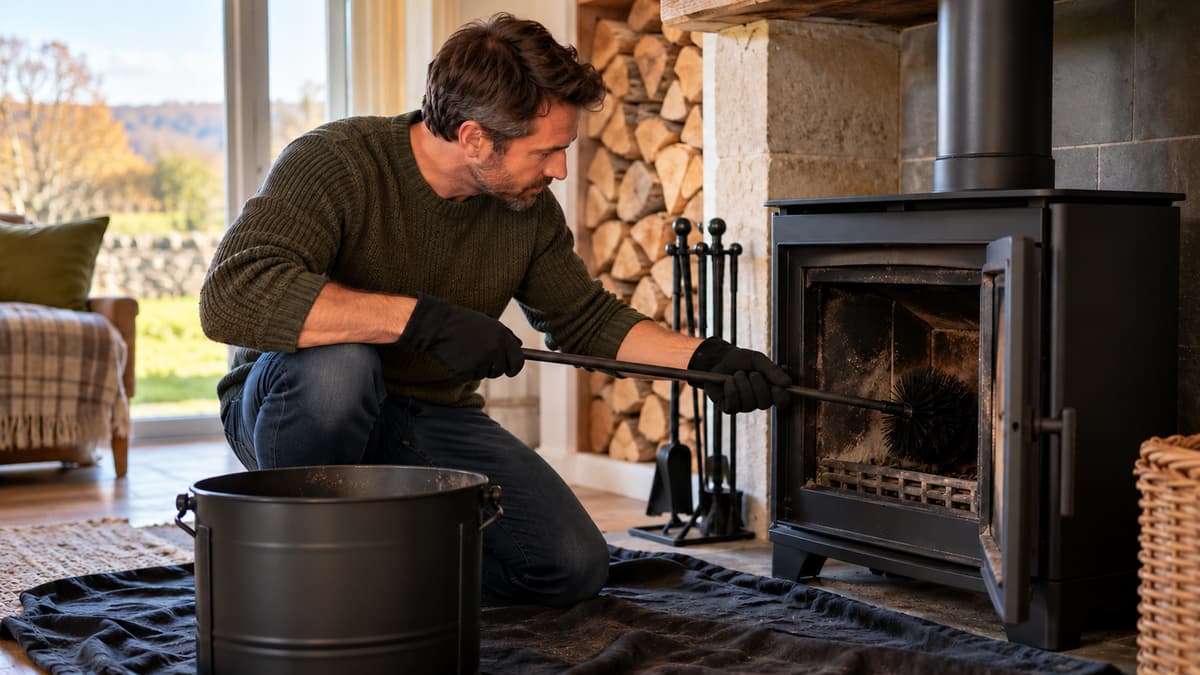
How often to sweep a wood-burner chimney
Sweeping the chimney is a separate booking from a stove service. A clear flue does not mean the seals were checked.

Carbon monoxide alarms for solid fuel
An audible alarm warns you if carbon monoxide builds up. It does not service the stove or replace the yearly visit.

Signs a log burner is too hot
A roar, glowing metal, or a room you cannot sit in means cool the fire. Have the stove checked once it is cold.