Carbon monoxide alarm wood burner: warning, not a sweep

An audible BS EN 50291 alarm warns of carbon monoxide from a wood burner. It will not sweep the flue, and a stove fan cannot sense the gas. Check the nation.
On this page
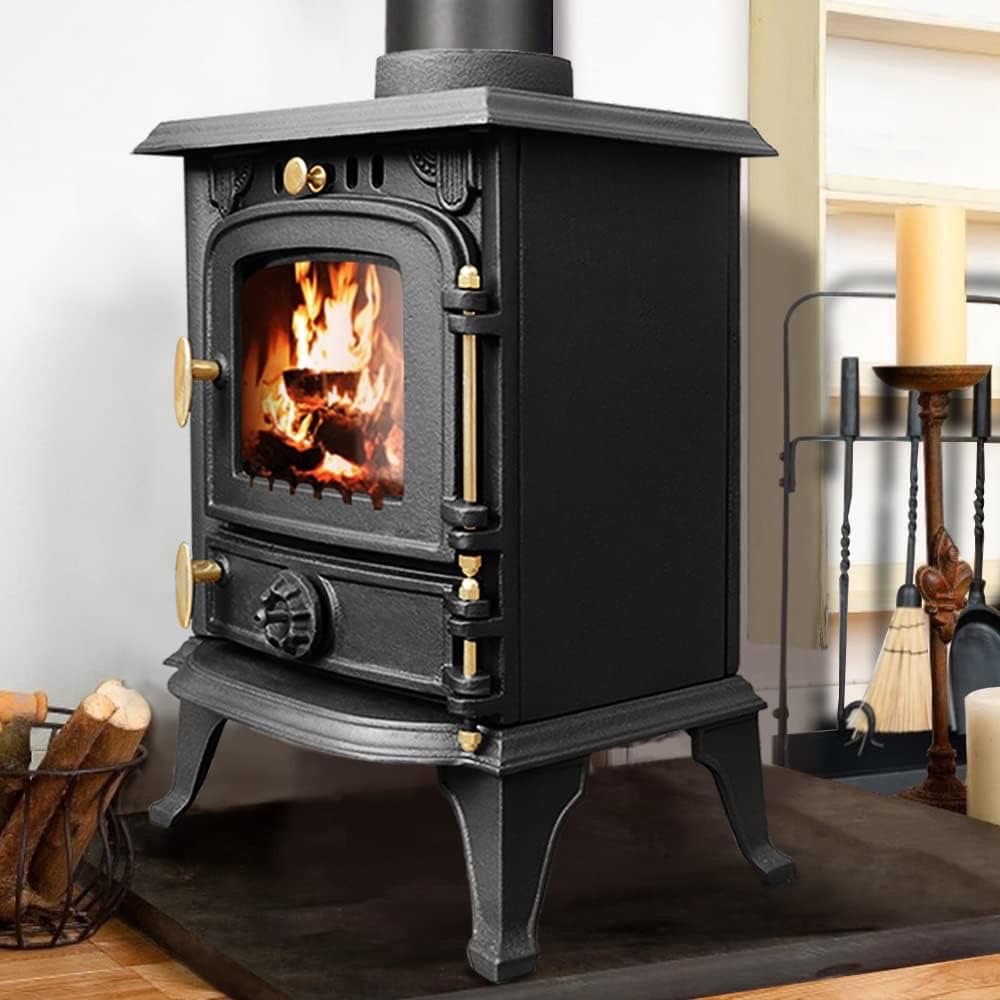
The fan on the stove top is turning and the room is warm. That is heat moving, not a reading of the air. A carbon monoxide alarm wood burner households need is a separate audible unit to BS EN 50291, placed the way Approved Document J and the alarm instructions describe. HETAS treats that alarm as a warning that does not service the stove or sweep the chimney.
If you are fitting a fixed solid-fuel stove in England, the 2022 installation guidance has called for that alarm since 1 October 2022. A log burner sits outside the gas-cooker exclusion in the government circular. Wales publishes its own wording, and that wording includes bedrooms a flue passes through.
In short
Fit an audible carbon monoxide alarm to BS EN 50291 when you install a fixed solid-fuel stove, and site it as Approved Document J and the instructions say. In England that installation guidance has applied since 1 October 2022, and the gas-cooker exclusion in the DLUHC circular does not cover a log burner. The alarm does not replace a service or a sweep, Wales has its own wording, and a stove fan does not detect carbon monoxide.
The alarm is a warning, not a service
HETAS tells solid-fuel households to use an audible alarm to BS EN 50291, positioned to Approved Document J. Silence is not a service report or a sweep certificate. A tired rope seal, a baffle left out after a clean, or an unbrushed flue can sit behind a quiet alarm, because carbon monoxide in the room has not reached an alarm condition.
Follow the maker's service schedule, and keep sweeping on a sweep's timetable. The test control does not book either job. If you are still choosing the firebox, compare wood-burning stoves on output, fuel, and whether a flue pipe is in the box. Many indoor stoves arrive with a collar only. The alarm is a further purchase.
Lighting the first fire the weekend the stove arrives, and buying the alarm later, misses the English guidance, which is written around the install. A new sensor on an unswept flue is still an unswept flue.
What the ppm times mean
HETAS describes the EN 50291 alarm times as 50 ppm between 60 and 90 minutes, 100 ppm between 10 and 40 minutes, and 300 ppm within 3 minutes. Those bands are when a compliant alarm is specified to sound. They are not a living-room drill, and they are not a safe period to stay in the chair.
Use the test control printed in the instructions so the household learns the tone. Leave car exhaust and blowtorches out of it. A pass on that button shows the circuit the button checks. It does not show that the flue is open.
England's Approved Document J from October 2022
In England, the 2022 edition of Approved Document J has been in force since 1 October 2022. The DLUHC circular describes a carbon monoxide alarm when a fixed solid-fuel, gas, or oil appliance is installed. Gas cooking-only is excluded. A log burner, a multifuel stove, and a fixed open fire on solid fuel stay in the note. Smokeless coal is still solid fuel. The circular's trigger is the fixed appliance, not the wording on the bag.
The verb in that summary is installed. This page does not claim that every stove already standing on 30 September 2022 was inspected the next morning, and it does not invent a retrofit date for owners who are not carrying out building work. If a fixed solid-fuel appliance is being fitted or replaced, put the 2022 English guidance in front of the installer before the flue goes up.
If you let the house
Approved Document J is installation guidance for building work, not a tenancy checklist. If you let a home with a fixed solid-fuel stove, read the landlord duties for that nation as well. Where an audible alarm is what the text asks for, it is a BS EN 50291 unit, not a heat-powered fan. This article does not quote the landlord regulations for England, Wales, Scotland, or Northern Ireland.
Do not copy that paragraph onto every nation
Wales publishes its own Approved Document J wording, separate from the English 2022 edition. Aico's summary of solid-fuel alarms makes the same split. The Welsh wording includes bedrooms that a flue passes through. If the pipe runs up through a bedroom, that room belongs in the Welsh siting from the start. Use the Welsh Government page for a house in Wales, even when the stove was bought in England.
The alarm in the bag can be the same BS EN 50291 model on either side of the border. The page you take the position from changes with the nation. The English in-force date of 1 October 2022 stays with the English circular. If a quote cites only that circular, ask for the Welsh paragraph before any holes are drilled.
Scotland and Northern Ireland run their own building rules. This article does not state those rules, and it will not borrow an English sentence to fill that job. Take the audible BS EN 50291 alarm HETAS names, then take the siting text from the administration that covers the house. Following the Leeds paragraph carefully can still put the alarm in the wrong room in Swansea.
What the alarm is not
A stove fan does not sense carbon monoxide. It turns when the top plate is hot enough to drive the module. Households compare stove fans for that heat. A fan can run all evening above a stove pipe that is heavy with soot, because metal temperature and carbon monoxide are different measurements. A wood stove comparison is about the appliance. The alarm stays a separate item.
A carbon dioxide meter reads carbon dioxide, which is not carbon monoxide, and it is not the audible BS EN 50291 alarm HETAS describes. Large CO2 lettering does not change the gas the sensor reads. A magnetic stove thermometer reads metal temperature and has no carbon monoxide sensor. A needle in a marked burn band is a temperature note, not an all-clear for the air.
A BS EN 50291 unit that is properly sited still only warns. It will not clear a blocked terminal, open a vent, or stop an overloaded firebox. If the sounder goes off, combustion products have reached the sensor, or the alarm is faulty, and either reading means people leave the room. Opening the back door, waiting for quiet, and reloading that same evening spends the warning without finding the cause.
Where you put the alarm
The mounting position is in Approved Document J for the nation of the house, and in the leaflet packed with the alarm. This article gives no height and no centimetre distance from the stove. A height copied from another nation, a forum, or a stove-fan booklet is how an alarm ends up behind a curtain or in a cupboard. The sensor needs the room air.
Fit the unit where both documents allow, on the fixing the leaflet shows, and where a sleeping household can hear it. Press the test control when you fit it, and again on the interval the leaflet gives. If Approved Document J and the leaflet disagree about the room or the height, ask the person installing the stove to reconcile them before the first fire.
If the alarm sounds while the stove is alight, get everyone into fresh air and leave the fire to die down. Stay out for the evening. Have the appliance and the flue checked by someone competent on solid fuel before the next burn. If anyone feels unwell, including headache, sickness, dizziness, or unusual drowsiness, get urgent medical help. This is household action, not a diagnosis. The stove stays unused until the cause is found.
Peter F. updated this page in October 2026 from HETAS's carbon monoxide note, the 2022 Approved Document J for England, the DLUHC circular, the Welsh Government's Approved Document J page, and Aico's summary of the England and Wales split. We have not laboratory-tested an alarm or a stove. Product details come from amazon.co.uk listings. A qualifying purchase through our links can earn us a commission at no extra cost to you.
Common questions
Do I need a carbon monoxide alarm with a log burner?
Which standard should a carbon monoxide alarm meet?
Does a carbon monoxide alarm replace a chimney sweep?
Will a stove fan warn me of carbon monoxide?
Is the carbon monoxide alarm rule the same in Wales?
What about a landlord and a carbon monoxide alarm?
Where does a carbon monoxide alarm go for a log burner?
What do the ppm times on a BS EN 50291 alarm mean?

Peter F. is the editor for DIY & tools at productscompared.co.uk. Comparisons in this category are checked against amazon.co.uk listings, review evidence and public UK sources.
Related articles

Smoke control areas and log burners
Wood in a smoke control area is allowed only in a Defra-exempt appliance, used as the exemption says.
Servicing a wood-burning stove
HETAS recommends at least a yearly service, and the maker's schedule if that schedule is stricter.
How often to sweep a wood-burner chimney
HETAS says at least twice a year for wood and at least once for smokeless fuel.