How often to sweep a chimney wood burner: HETAS
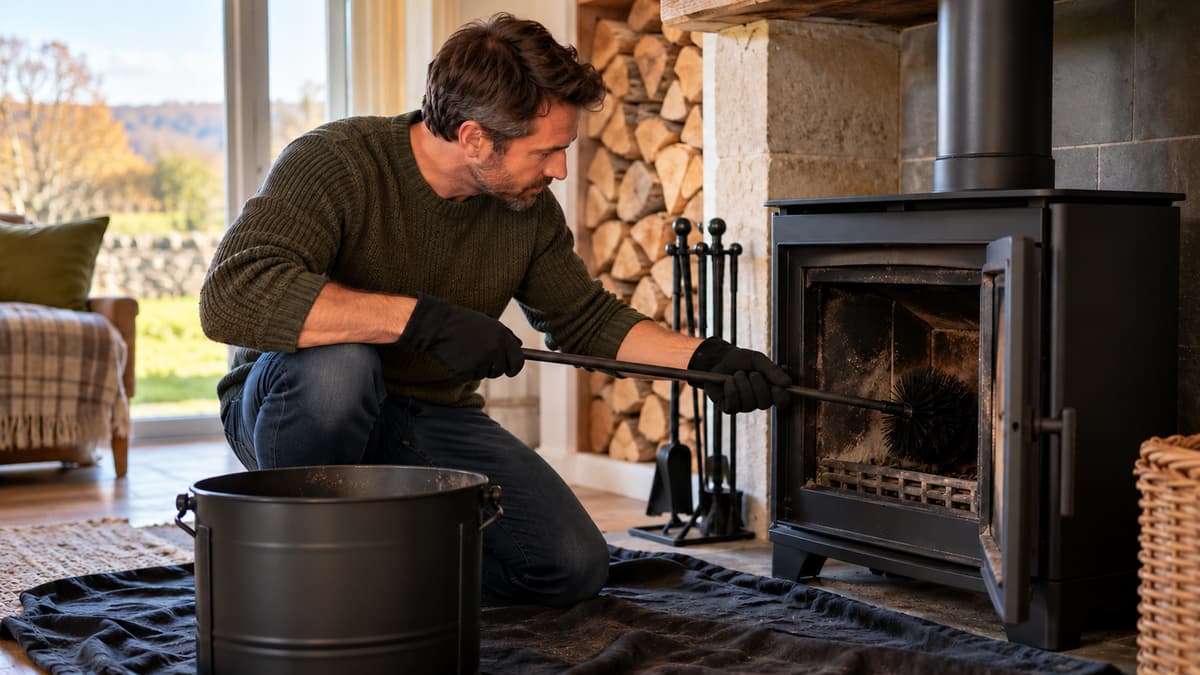
HETAS says sweep a wood burner at least twice a year, and smokeless fuel at least once. Book before winter. A lined chimney still needs that visit.
On this page
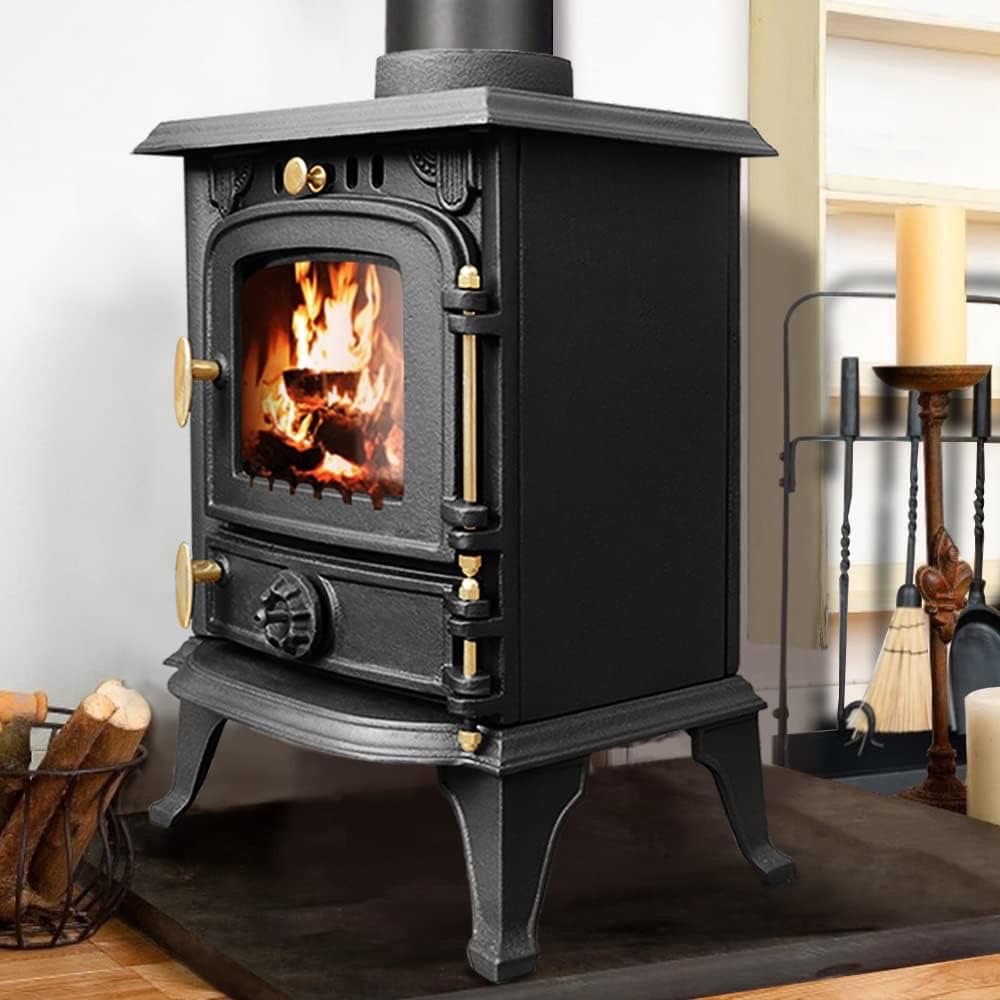
The stove has sat cold since spring, the log store is full, and the first sharp evening is already in the diary. How often to sweep a chimney wood burner households should plan for is set by the fuel, not by how clean the glass still looks. HETAS, the UK solid-fuel scheme, says at least twice a year when you burn wood, and at least once a year when you burn smokeless fuel.
The first of those visits belongs before the heating season. A lined chimney stays on that timetable. A stove fan does not brush the flue, and there is no national sweep price to quote.
In short
HETAS says sweep at least twice a year if you burn wood, and at least once a year for smokeless fuel. Book before the heating season and, when the wood rule applies, again after the peak. A flexible liner still gets swept. Heavy use can mean a shorter gap, with no third fixed number, and a stove fan is not a sweep.
Sweep a wood burner twice a year
If wood goes on the fire, the HETAS minimum is two sweeps in the year. Once a year is the figure HETAS gives for smokeless fuel, so a single autumn visit leaves a wood-burning season short of that advice. Wood leaves more deposit in the flue than smokeless fuel burned in the same appliance, which is why the two fuels do not share a diary.
HETAS does not publish a blended number for a multifuel stove that sees both. When logs are in the firebox for any part of the season, follow the wood interval. A stretch that is smokeless fuel only sits on the once-a-year minimum. Dried logs, kiln-dried logs, and a sack that talks about a cleaner burn stay on the wood side.
That split is a floor. HETAS says heavy use can need sweeping more often, and the person to ask is your sweep. There is no third published number hiding behind the word heavy. HETAS does not describe occasional use as a reason to drop a wood burner to a single annual sweep.
Waiting for a poor draw, smoke in the room, or a stove that will not stay alight treats a fault as a diary. The timetable is the booking signal. If you are still choosing the appliance, a wood-burning stove keeps this fuel rule after it is installed. A new firebox does not arrive with a year off the chimney.
Chimney sweep before winter
HETAS places one sweep before the heating season. If you are on the twice-a-year wood rule, the second visit comes after the peak of that season. A chimney sweep before winter means before you light the stove for the cold months, while the appliance is cold and the sweep can work the flue.
Leaving it until the first frosty Friday, then finding the diary is full, is how a season starts on last spring's deposit. Put the pre-season visit in while the stove is still idle. For wood, put the second visit after the coldest stretch, when the heaviest burning is behind you.
Tell the sweep the fuel, whether you burn most evenings or only now and then, and whether the chimney is lined. Ask if your use sits above the HETAS minimum. What you pay is the charge from the sweep who knows your flue, not a figure copied from another county. Ask what the visit includes, so a flue brush is not assumed to cover an appliance service.
"After the peak" is a season marker, not a fixed week that suits every house. A mild winter and a hard winter move that peak. If you are away and then burn hard on your return, say so when you book. The sweep's answer can be sooner than last year. It should not become a universal month reused for every postcode.
A lined chimney still needs sweeping
A liner does not retire the brush. HETAS is plain that a lined chimney is still swept, on the same fuel rule as an unlined stack.
Skipping the visit because an installer fitted a liner several years ago treats a component as a certificate. How often to sweep a log burner flue is still the wood rule when the fuel is wood. A liner fitted last spring does not grant the first heating season off.
Flexible liners have a further limit in the HETAS FAQs. Slow burning, or sweeping too rarely, can shorten the life of a flexible liner. Keep the interval, and avoid a long cool slumber when the maker's instructions want a proper burn.
This article does not state how many seasons a liner lasts. That figure is absent from the interval advice, and it depends on the liner, the fuel, and the way you run the fire. If a sweep reports that a liner has failed, replacement is a competent person's job.
The pipe you can see at the back of the stove is a different piece from the liner in the stack. Comparing a stove pipe is for the day you replace a section that has been condemned or damaged. A bright new length of pipe does not prove the chimney above it was brushed, and it does not reset the sweep diary.
A sweep, a service, and a stove fan
Sweeping and servicing are two jobs. The sweep clears the chimney and the flue path the fire uses. HETAS also recommends at least a yearly service of the appliance, and the maker's schedule if that schedule is stricter.
A sweep record from October does not show that the rope seal, the baffle, and the air controls were inspected. A service in spring does not show that the chimney was brushed. Some competent people do both on one visit. Ask which part of the booking is the sweep and which part is the service, and keep both on the calendar.
A stove fan moves air in the room when the stove top is hot enough to power it. It does not enter the flue, and a winter of spinning blades is not a record that anyone swept. The top pick in our stove fan comparison is the Valiant FIR361, listing B00LEO7W7U on amazon.co.uk. It is a four-blade heat-powered fan at £39.99, with 4.5 from 2,228 reviews on that listing. The box contains the fan only, and there is no thermometer. Valiant's sheet puts the start around 50°C, an optimum stove surface of 80-250°C, and a maximum of 340°C. A qualifying purchase through our link can earn us a commission at no extra cost to you.
Leave the brushing to a competent sweep
The person who sweeps is a competent chimney sweep. This article will not turn rods from a forum into steps. HETAS publishes the interval advice followed here, and a HETAS chimney sweep on its register is the practical way for a UK household to find someone who does this work. Brush sizes, rod lengths, and the way a soot door is opened stay with that person.
Have the stove cold. Know the fuel you burned last season, including any weeks of smokeless fuel among the logs. Clear the hearth so there is room to work. Ask what the sweep found, and ask whether your burning should shorten the gap before the next visit. If the draw has been poor, or you only light the stove at weekends, say so, and let them apply the HETAS minimum.
Stop using the stove if you suspect the flue is blocked. Do not light it to see whether the blockage clears. If you believe the chimney is on fire, get everyone out and call 999. After any fire in the flue, leave the appliance unused until a competent person has inspected it.
This page was written by Peter F. and last updated in October 2026. Intervals, the liner point, and the note on heavy use come from HETAS's public pages on when and why to sweep, how a sweep is done, spring maintenance, and the flexible-liner FAQ. There is no national sweep price in that research. The Valiant FIR361 price and review count are from its amazon.co.uk listing. We have not swept a flue or lab-tested the fan.
Common questions
How often should I sweep a wood burner?
Is once a year enough for wood?
How often should I sweep if I burn smokeless fuel?
When in the year should I book the sweep?
Does a liner mean I can skip sweeping?
Is a chimney sweep the same as a stove service?
Who should sweep a wood-burner chimney?
What if I only light the stove at weekends?

Peter F. is the editor for DIY & tools at productscompared.co.uk. Comparisons in this category are checked against amazon.co.uk listings, review evidence and public UK sources.
Related articles
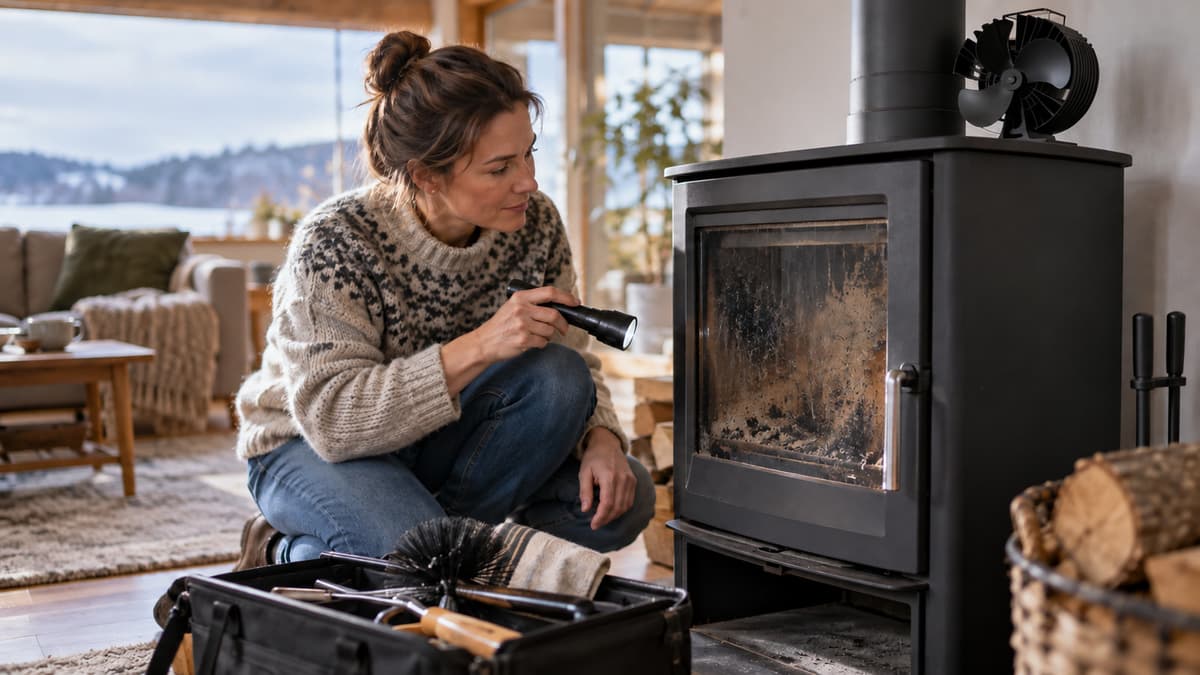
Servicing a wood-burning stove
HETAS recommends at least a yearly service, and the maker's schedule if that schedule is stricter.

Carbon monoxide alarms for solid fuel
An audible BS EN 50291 alarm is the warning device beside a solid-fuel stove. A stove fan is not.
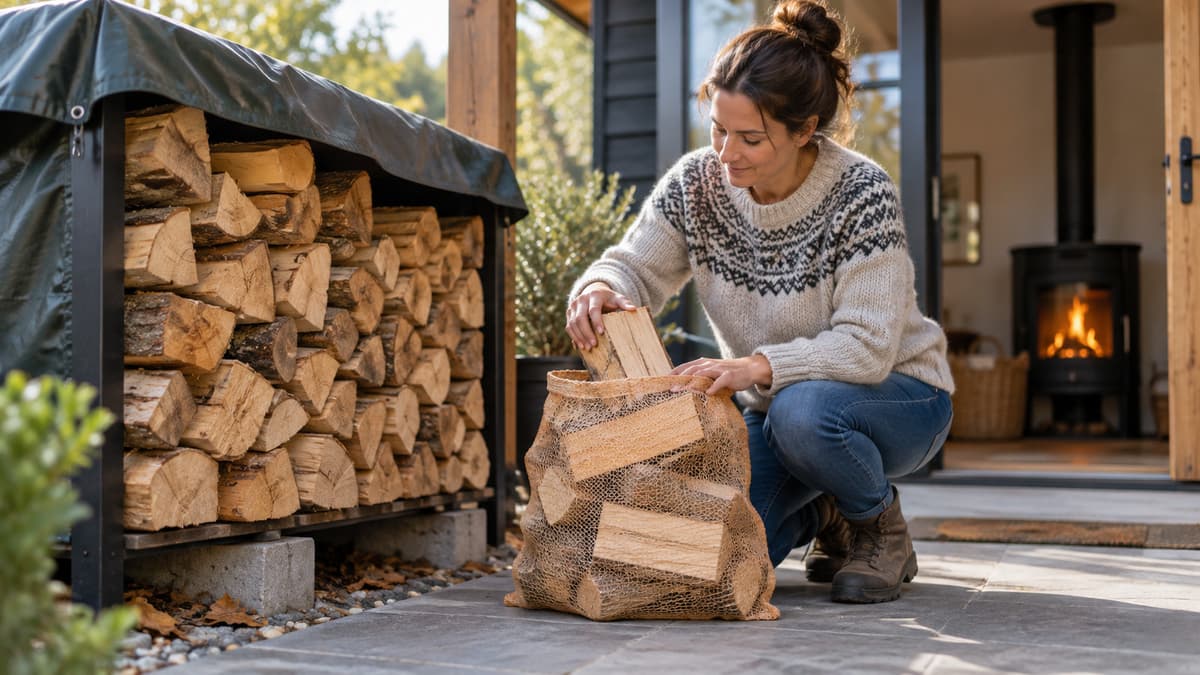
Ready to Burn firewood
Small retail volumes of firewood sold in England must be certified at 20% moisture or less.