Independent comparisons. We may earn from shop links. More info

How to varnish wooden window frames

Updated: October 2026

You have a dry-looking timber frame, a free weekend and a forecast that may change before the final coat. Knowing how to varnish wooden window frames is mainly about matching preparation and timing to the product in your hand: different varnishes can require very different temperatures and recoat intervals. This guide takes you from checking the timber to cleaning the brush, without assuming that every clear coating follows the same clock. If you have not chosen the coating yet, start with the [window varnish comparison](/hub/paints-and-varnishes/window-varnish); otherwise, read the label and technical sheet before opening the tin.

You have a dry-looking timber frame, a free weekend and a forecast that may change before the final coat.

Our top picks

On this page

Before you open the tin

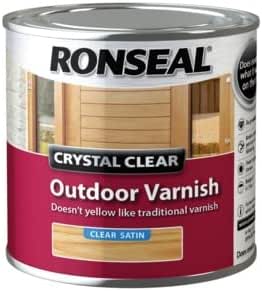
The frame, air and forecast all need to suit the varnish. Ronseal Crystal Clear Outdoor Varnish specifies a temperature above 10°C and a warm, dry day, while Sadolin Outdoor Varnish gives an 8–25°C range and a timber moisture limit of 18%. Polyvine gives 8–30°C. Follow the stricter instructions for the tin you bought rather than treating 8°C as a universal minimum. Ronseal gives six hours between its Crystal Clear coats, Polyvine gives four hours for its exterior varnish, and Sadolin specifies 16–24 hours. The window varnish buying guide explains why the right product matters; once selected, its own instructions control the job.

Prepare the frame without hiding defects

Remove dirt and grease first, inspect the joints and press gently around the lower rails and sill. Soft timber, open joints or failed glazing putty need repair before coating because clear varnish cannot restore rotten wood or stop water entering behind loose putty. For Ronseal Crystal Clear, the maker specifies 120-grit abrasive for old stain or varnish, followed by a white-spirit wipe. A sound existing clear finish needs an even key, not automatic stripping to bare wood. Pause before abrading old painted windows. HSE identifies stripping pre-1980s paint, dry sanding and blow-lamp use as significant lead risks. Sound old paint can be wet-abraded to provide a key. Do not burn the coating. If you cannot contain the dust, or children could be exposed, arrange professional assessment instead.

Apply the coats and respect the rain window

Stir the varnish thoroughly rather than shaking it, then apply a controlled coat with the grain. For Ronseal Crystal Clear, a milky appearance in the tin is normal and it should dry clear. Ronseal specifies three coats with six hours between them, with a light 240-grit sand before the final coat. Do not copy that six-hour gap onto Sadolin, whose technical sheet gives 16–24 hours, or onto Polyvine, which states four hours. Cover end grain and vulnerable edges. The exterior window frame guide goes further into these weather-exposed details. Ronseal advertises rain protection after one hour, but that claim is not permission to coat before an approaching shower.

Clean up and know when to stop

Clean the brush according to the varnish chemistry. Ronseal Crystal Clear is water-based and its guidance permits water clean-up, whereas a solvent-borne alkyd such as Sadolin requires the cleaner named on its tin, commonly white spirit. Do not pour leftover varnish down a drain; use your local council’s disposal facility. Stop if the screwdriver finds soft timber, joints move, water is trapped behind the coating or glazing putty has failed. A joiner can determine whether a local repair is sound or a rail or sill needs replacement.

Common questions

How many coats of varnish should a window frame have?
Use the number stated for your product. Ronseal Crystal Clear Outdoor Varnish specifies three coats, with a light 240-grit sand before the final coat. Another exterior varnish may have a different system, especially over previously coated wood, so do not reduce or add coats solely by copying instructions from a different tin.
How long should I wait between coats?
The wait depends on the formulation. Ronseal states six hours for Crystal Clear, Polyvine states four hours for its exterior varnish, and Sadolin states 16–24 hours for Outdoor Varnish. Temperature, humidity and ventilation can slow drying, so treat the printed interval as a minimum and never merge those three timings into one general rule.
What temperature is suitable for varnishing a window?
Follow the product’s stated range throughout application and early drying. Ronseal Crystal Clear requires above 10°C; Sadolin gives 8–25°C, while Polyvine gives 8–30°C. A general 8°C floor does not override Ronseal’s stricter 10°C instruction. Avoid a coat if the temperature will fall below the specified minimum soon afterwards.
Must I sand an old varnished frame back to bare wood?
Not if the existing finish is sound, firmly attached and compatible with the new coating. Clean it, dull the gloss evenly and feather any isolated edges, then make a test patch. Strip or repair areas that are loose, cracked or trapping moisture, but do not create unnecessary dust from an old painted layer that may contain lead.
Can I varnish a window the morning after rain?
Only when the timber is genuinely dry and the varnish instructions allow it. Surface dryness the next morning does not show the moisture held deeper in joints or end grain. Two drying days can be a useful rule of thumb after a short shower, though a moisture meter and the product’s limit provide a better basis for deciding.
How should I prepare paint that might contain lead?
Do not dry-sand or burn suspected old lead paint. HSE guidance favours wet abrasion for sound paint and controlled removal methods for flaking material, with debris contained and bagged. If you cannot keep dust and waste away from occupants, particularly children, stop and use a competent professional rather than turning routine preparation into an exposure risk.
When should I call a joiner?
Call a joiner when the timber feels soft, joints move, the sill or rail has lost its shape, glazing putty has failed or water is entering behind the finish. Varnish is a protective film, not a structural repair. Professional help is also sensible when a window will not operate safely or suspected lead paint cannot be contained during preparation.

Related pages

Sources

Public UK sources and maker sheets used for the limits on this page. Prices, stars and review counts are from the amazon.co.uk listings. We did not run a lab test.

  1. SI 2012/1715 — VOC limits for trim varnishes (retrieved 17 October 2026)
  2. EN 927-1:2013 preview — stable end use for windows (retrieved 17 October 2026)
  3. Ronseal — Crystal Clear Outdoor Varnish (retrieved 17 October 2026)
  4. Ronseal Trade Crystal Clear technical data sheet (retrieved 17 October 2026)
  5. HSE — Lead FAQs (retrieved 17 October 2026)
  6. Dulux Trade — Substrate preparation (retrieved 17 October 2026)
  7. Dulux Trade — Woodstain and varnish FAQs (retrieved 17 October 2026)
  8. Consumer Rights Act 2015, section 22 (retrieved 17 October 2026)