Independent comparisons. We may earn from shop links. More info

How to choose varnish for wooden windows

Updated: October 2026

Choosing varnish for wooden windows starts with one practical question: which face of the window are you coating? An outside sash needs a product whose listing explicitly covers exterior windows and doors; a room-side sill needs an interior coating; and a floor varnish does not become an exterior joinery product merely because “windows” appears in a bullet point. Our [window varnish comparison](/hub/paints-and-varnishes/window-varnish) keeps five relevant listings, but they do not all serve the same job. Use this guide to identify the right product type before you compare ratings, pack sizes or price per litre.

Choosing varnish for wooden windows starts with one practical question: which face of the window are you coating?

Our top picks

On this page

What you are actually buying

Clear varnish, woodstain, exterior paint and yacht varnish can all appear in a search for window coatings, but they produce different finishes. Clear varnish forms a transparent film and leaves the grain visible. Woodstain adds colour and is usually designed to weather differently, while exterior paint hides the timber. Yacht varnish is another distinct option: Ronseal describes its version as a solvent-based coating with a warming effect, whereas its Crystal Clear line is water-based and intended not to yellow. That distinction matters on a pale oak sill or a freshly stripped sash. A warming finish may deepen the colour, while a non-yellowing clear aims to preserve a lighter appearance. The separate guide to window varnish versus yacht varnish examines that choice in more detail.

Exterior, interior or a floor title

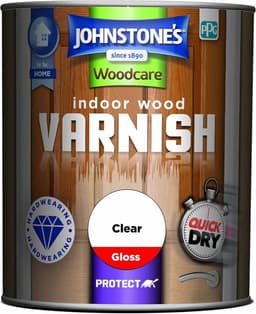
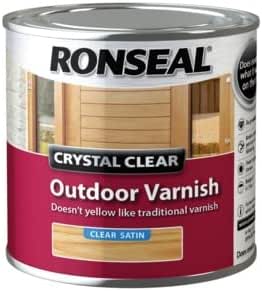
For exterior wood, the decisive wording is not simply “tough” or “hardwearing”. The listing should name exterior windows, doors or stable exterior joinery. Among the five retained listings, only Ronseal Crystal Clear Outdoor Varnish, ASIN B00WZPXG36, expressly says exterior windows and doors. Its water-based acrylic formula and stated coverage of 16 m² per litre support that use. The Johnstone’s 750 ml listing names windows among its uses and gives an acrylic water-based formula, yet both its title and a highlight call it floor varnish. That is a possible interior candidate only after you have checked the current tin instructions; it is not evidence of exterior suitability. A tin at roughly £15 per litre is poor value if its stated use does not match the outside face of your sash. For the outdoor decision, see varnish for exterior window frames.

What the listing must state

Read the title, recommended uses, technical details and tin instructions together. Look for interior or exterior, the substrate, the binder, coverage per litre and recoat conditions. A window reference buried in one customer review is weaker evidence than a manufacturer use statement. The retained Ronseal interior polyurethane listing does not name windows in its recommended uses, even though one reviewer mentions a bathroom sill and frame. If the title says floor varnish but a bullet says windows, treat it as an interior-floor product until the manufacturer’s current instructions establish otherwise. DRW’s satin listing names windows but has no reviews in the captured UK listing and is not a second Ronseal product, despite similar phrasing. Measure the actual coating area and allow for the stated coat count rather than buying solely by tin volume.

What to leave on the shelf

Ignore decorative varnishes intended for art, craft or model work. A 60 ml model bottle is not a small-format substitute for joinery varnish. “Water-resistant”, “hardwearing” or “satin” cannot replace an explicit exterior-windows use. Missing reviews do not prove that a product is poor, but they remove one source of UK buyer evidence, so DRW warrants more caution rather than being treated as equivalent to Ronseal. Bare softwood may require a preservative within a compatible coating system before the clear film goes on. Sadolin, for example, specifies two coats of preservative for untreated softwood in its own outdoor-varnish system; that instruction cannot automatically be applied to all five tins. Check the chosen manufacturer’s complete system, especially on end grain or previously decayed timber.

Common questions

Is clear varnish the same as woodstain on a sash?
No. Clear varnish forms a transparent film, while woodstain adds colour and follows its own weathering and maintenance specification. Both may be sold for windows, but a durability claim made for a branded woodstain does not apply to that brand’s clear varnish. Choose according to the finish and exposure you actually have.
Can floor varnish be used on an interior window sill?
Possibly, if the current manufacturer instructions name interior windows or suitable interior joinery and the existing coating is compatible. The Johnstone’s listing mentions windows but is titled as floor varnish, so check the tin rather than relying on the marketplace bullet. Do not use that wording as evidence for an exterior frame.
Which retained listing explicitly covers exterior windows and doors?
Ronseal Crystal Clear Outdoor Varnish, ASIN B00WZPXG36, is the only one of the five retained listings whose captured details expressly name exterior windows and doors. That makes its use statement the clearest match, not an automatic guarantee for every frame condition or an endorsement based on laboratory testing.
Can I use interior varnish on the room side of an exterior frame?
Yes, the interior and exterior faces can use coatings suited to their different exposure, provided the products are compatible with the timber and existing finish. Do not carry an interior coating around the exposed edge merely for continuity. Check the manufacturer’s boundary and preparation instructions before combining systems.
Is DRW another Ronseal product?
No. DRW is a separate listing and should not be treated as Ronseal because some wording looks alike. Its captured amazon.co.uk entry names windows but had no reviews, so it offers less buyer evidence. Verify its own manufacturer instructions and provenance rather than importing claims from another brand.
Do bare softwood windows need preservative before varnish?
They may. Some exterior systems require preservative on untreated softwood before varnish; Sadolin specifies two coats within its own system. Follow the instructions for your selected coating because preservatives and topcoats must be compatible. If the timber is soft, wet or decayed, repair advice from a joiner may be needed first.

Related pages

Sources

Public UK sources and maker sheets used for the limits on this page. Prices, stars and review counts are from the amazon.co.uk listings. We did not run a lab test.

  1. SI 2012/1715 — VOC limits for trim varnishes (retrieved 17 October 2026)
  2. EN 927-1:2013 preview — stable end use for windows (retrieved 17 October 2026)
  3. Ronseal — Crystal Clear Outdoor Varnish (retrieved 17 October 2026)
  4. Ronseal Trade Crystal Clear technical data sheet (retrieved 17 October 2026)
  5. HSE — Lead FAQs (retrieved 17 October 2026)
  6. Dulux Trade — Substrate preparation (retrieved 17 October 2026)
  7. Dulux Trade — Woodstain and varnish FAQs (retrieved 17 October 2026)
  8. Consumer Rights Act 2015, section 22 (retrieved 17 October 2026)