Independent comparisons. We may earn from shop links. More info

Decking oil vs decking stain

Updated: October 2026

You have both phrases in the basket, and a headline somewhere has told you that one of them lasts longer. Decking oil vs decking stain is a choice of job, not a league table of years. Oil, in the sense used on our [terrace oil comparison](/hub/paints-and-varnishes/terrace-oil), is a penetrating finish that goes into the board so you can refresh it when wear shows. A decking stain may be a light penetrating colour, or it may be a richer coating that sits more on the surface. Peter F. wrote this on 16 October 2026. We did not run a weathering trial. A qualifying purchase can earn us a commission at no extra cost to you.

You have both phrases in the basket, and a headline somewhere has told you that one of them lasts longer. Decking oil vs decking stain is a choice of job, not a league table of years.

Our top picks

On this page

Two different jobs

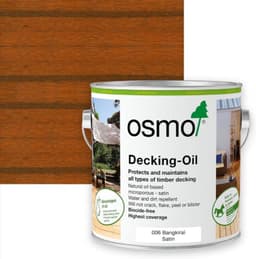
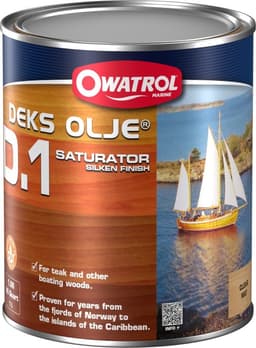
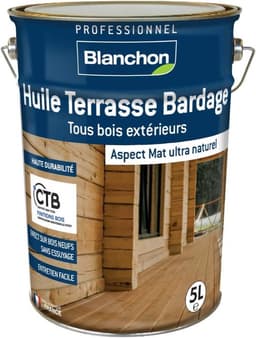
A penetrating oil feeds the outer fibres and leaves a finish you maintain by cleaning and recoating. The TDCA prefers that on horizontal boards because films crack and flake. A penetrating translucent stain still shows grain. A solid stain hides the grain and is closer to a coating. Our kept products are oils: Osmo 006, Blanchon, and Deks Olje D1. A water-based decking stain is still a stain.

When oil, when stain

Choose oil if the boards are sound and you will recoat when water stops beading. Choose a stain if you want a deeper colour than a satin tint and you will stay with that system. Rawlins says oil over an old stain often fails. Brushing and cloths are on how to apply decking oil.

What the year claims leave out

A decorator told Homebuilding that oil might be redone every 6–12 months and stain often lasts 2–3 years because it films. That is one interview, not a trial of your deck. The TDCA’s two-to-three-year note is for penetrating translucent stains, or follow the tin. One Osmo review reported several recoats a year on yellow balau. A clear oil greys faster than a tinted one.

Stains left out of this table

Ronseal and Cuprinol stain listings were not kept as rows. Those files were stains. Do not add a round-up tin from memory. The three oils are on best decking oil. Type and pack sit in the decking oil buying guide.

Common questions

Which lasts longer, decking oil or decking stain?
Nobody in the sources we used has measured that on your deck. A decorator told Homebuilding that oil is often redone every 6–12 months and stain often lasts 2–3 years because it films. That is an interview, and it assumes the stain is a film. The TDCA suggests planning to refresh penetrating translucent stains every two to three years, or following the tin. One Osmo review described several recoats a year on yellow balau. Use the maintenance you will actually do. Do not buy a film because a year-count looked longer, then discover you have to strip it.
Which one looks more like bare wood?
A penetrating oil, especially a light tint, stays closer to the grain. A clear saturator stays closer still, and it will grey. A solid stain hides the grain on purpose. A penetrating translucent stain sits between them: colour, with grain still visible, and a refresh cycle the TDCA puts at about two to three years if you do not follow a different tin. If the point of the deck was the timber, start with oil. If the point is an even brown that ignores the grey, a stain system is the more honest purchase.
Can I put decking oil over decking stain?
Often no. Rawlins says oil over an old stain often fails, because the stain is in the way of penetration. If the stain is still a sound film, the oil cannot feed the wood. If the film is already peeling, take it off before you oil or before you stain again. A penetrating translucent stain that has worn thin and is not a film is a different surface. Even then, test a board. Do not assume the whole deck will take oil because one plank looked dull.
Will a decking stain peel?
A stain that builds a film can crack and flake on horizontal boards. That is why the TDCA prefers a penetrating finish on decks. A penetrating translucent stain is not automatically a film, so “every stain peels” is too broad. Solid colour that hides the grain is the finish most likely to fail as a sheet. When it does, the repair is a strip, not another coat. Look at the product’s own description of penetration before you treat the word stain as a peel warning or as a durability prize.
Why is there no stain in the comparison table?
Because this category is terrace oil. Cuprinol anti-slip decking stain and Ronseal Ultimate Protection Decking Stain appeared as water-based stain listings and were not kept as rows. The three staged products are Osmo decking oil, Blanchon terrace and cladding oil, and Owatrol Deks Olje D1. Ronseal’s website still sells both an oil and a stain. Their absence here is a scope decision, not a finding that the brand has no oil. Use this page for the split, and the comparison for the three oils only.
Does pigment matter more than the word oil?
Pigment changes colour and, on Osmo’s account, a coloured decking oil slows greying compared with a clear oil. The word oil still tells you the maintenance: penetration and a refresh, not a film you strip. A stain can carry more pigment and still be sold as a coating with “a bit more protection,” which is Ronseal’s phrase, not a test result. Choose the failure you prefer. More pigment in a film is not the same product as more pigment in a decking oil.
What if I only want a light tint?
Stay with a coloured decking oil rather than a solid stain. In this set that is the Osmo 006 Bangkirai satin tin, not the clear Deks saturator and not a stain we removed from the table. A light tint will not hide a badly greyed, patchy deck the way a solid colour can. It also will not spare you a recoat when the wear path goes dull. If the boards are sound and you will recoat when wear shows, oil matches that limit. If you need the colour to cover the timber, you are in stain territory, and you should maintain that system instead of switching next spring.

Related pages

Sources

Public UK sources used for the VOC, preservative, and slip points on this page. Prices, stars, and review counts are from the amazon.co.uk extracts, not re-checked live on 16 October 2026.

  1. SI 2012/1715 — VOC in paints and varnishes (retrieved 16 October 2026)
  2. HSE — biocidal product types (retrieved 16 October 2026)
  3. TDCA — deck maintenance (retrieved 16 October 2026)
  4. TDCA — Timber Decking Handbook 2022 (retrieved 16 October 2026)
  5. Osmo UK — Decking-Oil (retrieved 16 October 2026)
  6. Osmo — Decking Oil safety data sheet (retrieved 16 October 2026)
  7. Owatrol Direct — Deks Olje D1 (retrieved 16 October 2026)
  8. UKSRG — BS EN 16165 (retrieved 16 October 2026)