Independent comparisons. We may earn from shop links. More info

How to apply decking oil

Updated: October 2026

The boards look dry enough, the tin is open, and you want the first coat on before the weather turns. How to apply decking oil depends on which tin you opened. A two-coat decking oil, a wet-on-wet terrace oil, and a saturator that you wipe are not the same afternoon. The three extracts and their prices stay on the [terrace oil comparison](/hub/paints-and-varnishes/terrace-oil). If you are still choosing a tinted oil, a 5 litre matt oil, or a clear saturator, use [best decking oil](/hub/paints-and-varnishes/terrace-oil/sub/terrace-oil-best) first. Peter F. set this out on 16 October 2026. We did not film a deck. A qualifying purchase can earn us a commission at no extra cost to you.

The boards look dry enough, the tin is open, and you want the first coat on before the weather turns. How to apply decking oil depends on which tin you opened.

Our top picks

On this page

Boards that will take oil

Oil goes onto bare, clean, dry wood. It does not go onto varnish or a film that is already cracking. Sweep debris out of the grooves first. The TDCA makes that point because grit on a wet deck is slippery, not because the oil adds grip. Osmo’s UK page sets a moisture ceiling of 20 percent. Another Osmo page says about 18 percent. Do not merge them.

Two coats or saturation

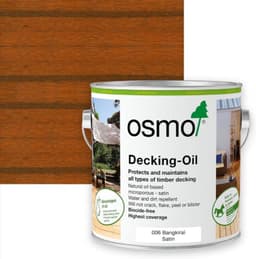
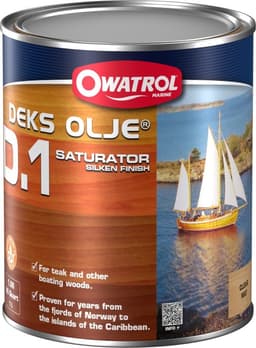
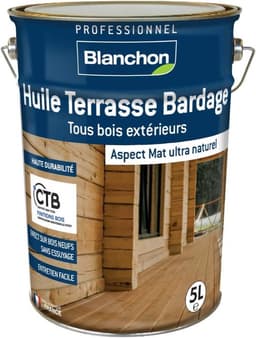
Follow the tin. Osmo 006 is two coats first, then one recoat, no sanding, dry in 12 hours, thin coats at about 10 °C to 35 °C. Deks Olje D1 is wet-on-wet until the wood refuses more, then you wipe. The listing’s 8–12 m² per litre is not the first-coat rate. Blanchon’s maker sheet says two wet-on-wet coats and no wipe. The amazon.co.uk extract states neither a coat count nor a dry time.

Weather and the gap before rain

If rain is forecast inside the dry window of the tin you opened, do not start. Osmo’s window is about 10 °C to 35 °C. A handyman guide’s 24–48 hour rain gap is that guide’s advice, not a line on the Blanchon or Deks extracts. How long new hardwood should weather is decking oil for hardwood.

Cloths, then when to stop

The fire risk is the cloth, not the finished board. Osmo’s safety data sheet, including article 006, says soaked cloths can self-ignite. Wash them out at once or store them airtight. For Blanchon and Deks, use the sheet in that tin. If you are unsure which type you bought, use the decking oil buying guide before the second coat.

Common questions

How many coats of decking oil?
Osmo’s listing says two coats the first time and one coat when you refresh, without sanding. Deks Olje D1 is not a coat count. You apply wet-on-wet until the wood stops drinking, then you wipe. Blanchon’s maker sheet says two wet-on-wet coats and no wipe, but the amazon.co.uk extract does not state a coat count. Use the instruction that belongs to the tin in your hand. A single “two coats” rule for all three will leave surplus saturator on the surface or leave a decking oil short of its first protection.
How long do I leave between coats?
On the Osmo extract the dry time is 12 hours. That is the gap before you judge the next coat, at the temperatures Osmo states, about 10 °C to 35 °C. Deks is wet-on-wet, and one UK boat review described intervals of about 15 minutes while the wood was still taking oil, followed by a wipe. Blanchon’s extract has no dry time. Do not copy 12 hours onto the other two tins. If the first coat is still soft, you are early, whatever the clock says.
What temperature, and what if rain is coming?
Osmo’s stated window is about 10 °C to 35 °C. A UK how-to suggests staying above 10 °C and keeping 24–48 hours clear of rain risk. That rain gap is the guide’s figure, not a line on every tin. If rain sits inside the dry time of the product you opened, wait. A damp coat washes unevenly into grooves. Hot sun on a cold instruction is the other miss: the oil skins before it penetrates.
Can the boards be damp?
Not if you want the oil in the wood. Osmo UK states a moisture ceiling of 20 percent. A different Osmo page states about 18 percent. Use the number on the product you bought, and do not average them. Boards that were rained on yesterday are a poor bet even when the surface looks pale. Let them dry, then check. New hardwood that beads water may be full of extractives rather than rain. That wait is measured in weeks or months, not in one dry morning.
Do I wipe the excess decking oil?
Wipe Deks Olje D1 after the wood refuses more. Osmo wants thin coats, not a flooded board you scrape off later. Blanchon’s maker sheet says two wet-on-wet coats and no wipe, while the marketplace extract is silent. Surplus that stays glossy will collect grit and stay tacky. If you are unsure which rule you bought, read the can before you flood a whole run of boards. A test patch shows a wipe mark in an afternoon. A whole deck shows it for a season.
What do I do with the oily cloths?
For Osmo Decking Oil, including article 006, the safety data sheet says soaked cloths can self-ignite, so wash them out at once or keep them in an airtight container. East Sussex Fire and Rescue makes the same class of warning for linseed cloths: the pile of rags is the risk, not the oiled board. The British Coatings Federation points drying oils and alkyds back to the safety data sheet. Follow the sheet for Blanchon or Deks rather than borrowing Osmo’s wording, and do not invent a plastic-bag method the sheet does not give you.
Can I oil over varnish?
No. Varnish is a film. These oils are meant to penetrate. Oil on intact varnish does not feed the wood, and oil on a failing film copies every crack. Strip the film back to bare timber, let the boards dry, and then oil. If the coating will not come off, or the boards are soft under it, that is the point to stop and hire help. The same block applies to a solid stain you hoped to bury. Sound bare wood is the start, not a varnished board with a new coat on top.

Related pages

Sources

Public UK sources used for the VOC, preservative, and slip points on this page. Prices, stars, and review counts are from the amazon.co.uk extracts, not re-checked live on 16 October 2026.

  1. SI 2012/1715 — VOC in paints and varnishes (retrieved 16 October 2026)
  2. HSE — biocidal product types (retrieved 16 October 2026)
  3. TDCA — deck maintenance (retrieved 16 October 2026)
  4. TDCA — Timber Decking Handbook 2022 (retrieved 16 October 2026)
  5. Osmo UK — Decking-Oil (retrieved 16 October 2026)
  6. Osmo — Decking Oil safety data sheet (retrieved 16 October 2026)
  7. Owatrol Direct — Deks Olje D1 (retrieved 16 October 2026)
  8. UKSRG — BS EN 16165 (retrieved 16 October 2026)