Independent comparisons. We may earn from shop links. More info

Primer for chalky walls

Updated: 23 October 2026

You wiped an old wall with a dry hand and it came away white. That can be chalking, and it can also be damp, hollow plaster, or ordinary suction on new work. A primer for chalky walls is justified only for the first of those, and only after the wall is dry. This page is the diagnosis. Once you have a yes, the brushing sequence is on [how to apply stabilising solution](/hub/paints-and-varnishes/penetrating-primer/sub/penetrating-primer-how-to-apply). The six amazon.co.uk tins stay on the [penetrating primer comparison](/hub/paints-and-varnishes/penetrating-primer). Nothing here was pull-tested on a house.

You wiped an old wall with a dry hand and it came away white. That can be chalking, and it can also be damp, hollow plaster, or ordinary suction on new work.

Our top picks

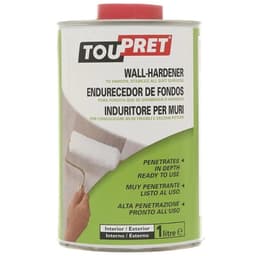
Toupret Toupret wall hardener

Best overall

Toupret Toupret wall hardener
8.0/10about £22.62
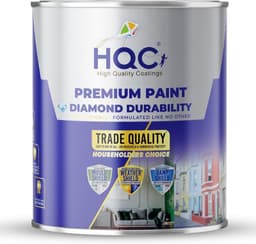
HQC HQC stabilising primer

Alternative

HQC HQC stabilising primer
4.3/10about £39.95
On this page

The hand test

Toupret’s UK how-to gives a check you can do without a meter. Wipe the dry face with a flat hand. A white deposit on the palm is loose material, the chalk a binding primer is meant to glue. Press a fingernail or a screwdriver tip into the plaster. If it is soft, or it craters, a primer will not put that strength back. Dulux Trade’s rule is the one to keep: stabilising primer belongs where the surface stays powdery after preparation. Sound bare masonry takes a thinned first coat of masonry paint. New plaster that is sound leaves the hand clean and wants the mist coat on stabilising solution or PVA.

Damp, salts, and hollow plaster

A wet wall can leave a mark that looks like chalk. Tide marks, blistered paint, a musty smell, or white crystals along a skirting are salts and water. Everbuild 406 says to cure penetrating damp first. Farrow & Ball quotes substrate moisture under 0.5% for render and plaster, from Annex C of BS 6150. A wall that darkens under taped polythene overnight is not a primer job yet. Tap with a knuckle. A drumming sound means the coat has left the background. Hack the loose coat off, or call a plasterer when the area is more than a patch you can fill. Dust is powder on a face that is still attached. Crumbs are a face that has already gone.
Toupret Toupret wall hardener

Testsieger

Toupret Toupret wall hardener
8.0/10about £22.62

Plaster indoors and render outdoors

A dry face that still dusts after a scrape can take a binder indoors or out. A wet or hollow face cannot. Everbuild 406 should not go on below 5°C, and it should stay off an outside wall if rain is due within 6 hours. Dulux’s consumer page quotes above 10°C. An afternoon that starts at 11°C and is forecast to rain before evening fails that exterior sheet. Interior plaster still needs ventilation if the tin is solvent-borne or an alcohol resin such as Toupret’s hardener. HQC and Landlords, both about £39.95 for 5 litres, name chalky masonry, render, plaster, and pebbledash. HQC’s bullets say solvent-based and the paint-type line says water-based. The Landlords title says water-based and a bullet says solvent. Sound bare brick that does not dust should take a thinned masonry paint. Sandtex does not recommend decorating Fletton commons or facings.

Still dusty after it dries

One coat is the default on the Dulux and Sandtex sheets. A second coat is for a face that drank the first and still dusts after the drying time on your tin. Sika allows that second coat on surfaces that are extremely porous, and says not to dilute. If the first coat dried shiny, you have a film. More product adds thickness. If a second coat, only where the wall was still hungry, still leaves a white hand, the substrate is softer than a primer can bind. Scrape back to a firm face and repair. Do not switch to neat PVA on an outside wall. PVA’s job is bonding a plaster coat. Trade-sheet coverage, about 5–10 m² per litre, is a planning number. None of these primers cures damp you painted over.

Common questions

Is dust the same as damp?
Dust is loose solid on a dry face. Damp shows as tide marks, a musty smell, blistered paint, or salts. Everbuild 406 tells you to cure penetrating damp first. A stabilising primer over a wet wall fails when the moisture moves. Deal with the water, then test again with a dry hand.
What if the plaster sounds hollow?
A drumming sound when you tap means the coat has left the background. Stabiliser will not stick that coat back. Remove the loose plaster and repair it, and call a plasterer when the hollow area is larger than a patch you can fill. Render that comes away in pieces is the same fault. Powder on a firm face is the primer case. Hollow and crumbs are a repair.
Do exterior render and indoor plaster use the same logic?
A dry, scraped face that still dusts can take a binder in either place. Outside, stay above the temperature on the tin, often 5°C and sometimes 10°C, and keep rain off. Everbuild 406 says no rain within 6 hours. Indoors, ventilate when the tin is solvent-based or an alcohol resin.
The coat dried and the wall still dusts. Now what?
If the first coat soaked in and a later wipe is still white, a second coat is reasonable on a very porous face, once the drying time has passed. If the first coat dried shiny, stop. More stabiliser adds film. If a proper second coat still leaves dust, the plaster is too soft to bind. Scrape to a firm face and repair it. A third coat is not the remedy.
Does this page pick a tin?
It picks a diagnosis. HQC and Landlords name chalky masonry, and both captures clash on solvent versus water. The ranking of the six listings is on the comparison. If the hand test fails because of damp or hollow plaster, none of the tins is the next purchase.

Related pages

Sources

Public sources from the research digest, last checked on 21 October 2026. Shelf prices and star lines are the amazon.co.uk figures in the display file. The price band is this set, not a market average. No listing was lab-tested.

  1. SI 2012/1715, VOC in paints and varnishes (retrieved 21 October 2026)
  2. HSE: solvents (retrieved 21 October 2026)
  3. HSE: lead and old paint (retrieved 21 October 2026)
  4. Dulux Trade Weathershield Stabilising Primer (retrieved 21 October 2026)
  5. EVERBUILD 406 stabilising solution (retrieved 21 October 2026)
  6. BS 6150:2019, painting of buildings (retrieved 21 October 2026)
  7. Toupret wall hardener (retrieved 21 October 2026)
  8. Farrow & Ball stabilising primer sheet (retrieved 21 October 2026)