Independent comparisons. We may earn from shop links. More info

How to apply boiled linseed oil

Updated: 22 October 2026

The tin is already open, the wood is bare, and the usual failure is a thick coat left to sit or a cloth folded on the bench. This is how to apply boiled linseed oil so the film can oxidise, the next coat can go on, and the rag does not become the hazard. Which of the six amazon.co.uk tins to buy stays on the [boiled linseed oil comparison](/hub/paints-and-varnishes/boiled-linseed-oil). Peter F. set these steps out on 20 October 2026 from UK maker sheets and fire-service pages, not from a timed test in our own workshop. A qualifying purchase can earn a commission at no extra cost to you.

The tin is already open, the wood is bare, and the usual failure is a thick coat left to sit or a cloth folded on the bench.

Our top picks

On this page

Bare, dry wood and a thin coat

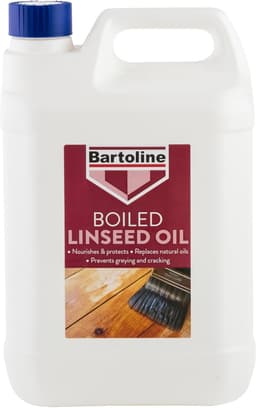
Start on wood that is clean, dry, and free of an old film that will stop the oil soaking in. Bartoline’s technical data sheet tells you to clean the surface and wipe with white spirit before the oil. A Furniture Clinic review in this set describes a sealed plaque that did nothing until the old sealant was sanded off. Try a patch where you can live with the colour. Boiled linseed oil warms the grain. It does not hide a water stain the way a paint would. Put on a thin coat with a clean cloth or a brush, working with the grain. Bartoline’s 500 ml bullets say a cloth or a brush, then white spirit for the tools. Two or three coats is the Bartoline sheet’s range, with the excess taken off each time. Libéron, which is not one of the six tins, allows an optional first-coat dilution with turpentine up to 30 percent. Fiddes says its own formula does not need thinning. Do not treat either sentence as printed on Bartoline or Materialix unless that tin says so. If the timber is rotten, or the exterior is listed, stop and get a specification rather than another coat.

Wipe the excess and wait out that tin’s interval

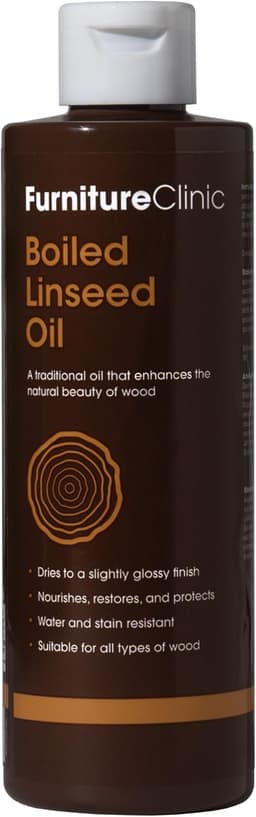
Wipe the surplus after the maker’s window, or the surface stays sticky and the next coat sits on top. Libéron says wipe excess after about 20 minutes. Furniture Clinic’s product page says three coats, wipe after 20 minutes, 24 hours between coats, and 48 hours before use. Bartoline’s product sheet says about 16 hours at 23°C for drying, and the technical sheet says 24 hours between coats, with excess removed. The 5 litre amazon.co.uk listing says touch dry in about 14–24 hours. Caplin’s bullet says about 3 hours a coat, and one of four UK reviews timed about 3 hours on a light oak table top. That 3-hour figure belongs to that listing and that review. It is not Bartoline’s interval. A cold room or a damp day stretches every one of those numbers. One Materialix UK review reported dry in about twenty hours on wrought iron statues outdoors, against a bullet that says around 18 hours and hardening in five to ten days. Use the number on the tin you opened, then give it longer if the surface is still soft. Recoating a tacky film locks the problem in.

If the surface stays tacky

A tacky finish is usually excess oil, a cold workshop, or wood that is drinking slowly, not a sign that you need a heavier second coat. Libéron’s rescue for a sticky film is white spirit, used as that maker describes, so the surplus can be lifted before you try again with less oil. Bartoline also names white spirit for tools. Do not pour oily residues down the sink. A thick coat on oak cabinets is the picture in the Furniture Clinic reviews: still soft after two or three days, then white patches and easy marking after a couple of weeks. Wipe harder and wait. Do not add oil while the first coat is still live. Exterior oak is a special case of the same failure. Furniture Clinic’s product page says oak outdoors stays damp long enough for mould because the oil soaks so deep. Bartoline’s sheet never offered exterior oak in the first place. If you already coated oak against the label, white spirit may lift wet surplus, and it will not turn the job into the softwood use the sheet describes. Indoors, UK reviews of Furniture Clinic and of Materialix mention a strong or lingering smell, and one Bartoline 5 litre review calls it a chip-shop smell until the oil has dried. Ventilate the room. The open film on the furniture is not the fire risk. The cloth is.

The cloth, not the finished table

Linseed oil dries by oxidation, and the reaction makes heat. East Sussex Fire & Rescue Service explains that a pile of oily cloths can smoulder and ignite, while the open film on a piece of furniture does not behave the same way. Northamptonshire Fire and Rescue Service recorded a June 2020 incident in Daventry in which folded linseed cloths smoked. Hang cloths outside so they can dry flat, soak them, or keep them in a metal container with water. Worcestershire County Council has told householders to take oily rags in a sealed container to a household recycling centre that accepts them, not to a textile bank. Bartoline’s sheet says wash cloths in soapy water and dispose of them outside. Do not burn the rags because an older leaflet once said “ideally burnt”. The warning is easy to miss on some bottles. Furniture Clinic UK reviews say the self-combustion note is on the reverse, and one review describes a rag that became red hot. Bartoline’s 500 ml bullets already say to dispose of application cloths to prevent fire hazards. Materialix does not print that line in the captured bullets, which does not remove the hazard. The oil is not classified as flammable under CLP on Bartoline’s safety data sheet. If cloths have already smoked, call the fire service. If the oil is swallowed, or an eye splash will not settle, use NHS 111 and the current safety data sheet.

Common questions

Do you brush boiled linseed oil on, or rub it in with a cloth?
Either, if the coat stays thin. Bartoline’s bullets say a clean cloth or a brush. Furniture Clinic reviews mostly describe a cloth, a J-cloth, or a foam brush, and they say a little goes a long way. A brush is useful on a fence or a turned leg. A cloth is easier on a table top where you must wipe the surplus anyway. No brush is listed in the box for these tins.
How long do you leave the oil before wiping?
Libéron and Furniture Clinic say about 20 minutes, then wipe. Bartoline tells you to remove excess and then allow about 16 hours at 23°C, with 24 hours between coats on the technical sheet. Caplin’s bullet says about 3 hours a coat. Follow the tin in your hand. Leaving a wet pool overnight is how oak cabinets in the Furniture Clinic reviews stayed tacky for two or three days.
What happens if you leave a thick coat?
The oil cannot oxidise through a puddle, so the surface stays sticky, marks easily, and can throw white patches. Furniture Clinic reviews describe that on oak cabinets and after a couple of weeks of use. Libéron says the next coat will not penetrate. Lift the surplus with white spirit where the maker allows it, then recoat thinly after the interval, rather than adding more oil on top of a live film.
How long between coats for Bartoline, and is that the same as Caplin?
Bartoline’s technical sheet says 24 hours between coats, and the product sheet says about 16 hours at 23°C. The 5 litre listing says touch dry in about 14–24 hours. Caplin’s bullet says about 3 hours, matched by one UK review on a light oak top. They are not the same interval. A cold shed can push Bartoline past a day, which is why reviewers of the 5 litre bottle say a late start leaves the wood wet into the evening.
Can you thin the first coat?
Only if the tin or that maker’s sheet says so. Libéron allows turpentine up to 30 percent on early coats. Fiddes says no thinning on its formula. Bartoline’s application notes in the technical sheet do not tell you to thin the oil before those 24-hour coats. A UK review that mixed Materialix 50/50 with white spirit on reed screening is one person’s method, not the bullet.
Will the finished table catch fire the way a rag can?
East Sussex Fire & Rescue Service draws that distinction: the heat builds in a crumpled oily cloth, not in the thin open film on furniture. Wipe the excess, let the stated interval pass, and keep the rags out of the kitchen bin overnight. A textile bank is the wrong place for oily rags. The table can still mark if the coat was thick, which is a finish problem, not a combustion one.

Related pages

Sources

Public sources from the research digest, last checked on 20 October 2026. Shelf prices and star lines are the amazon.co.uk figures in the display file. The price band is this set, not a market average. No listing was lab-tested.

  1. East Sussex Fire & Rescue Service: fire hazards of linseed oil (retrieved 20 October 2026)
  2. Northamptonshire Fire and Rescue Service: oil-cloth combustion (retrieved 20 October 2026)
  3. Bartoline boiled linseed oil safety data sheet (retrieved 20 October 2026)
  4. Bartoline boiled linseed oil technical data sheet (retrieved 20 October 2026)
  5. Bartoline boiled linseed oil product sheet (retrieved 20 October 2026)
  6. Libéron boiled linseed oil (retrieved 20 October 2026)
  7. Furniture Clinic: raw vs boiled linseed oil (retrieved 20 October 2026)
  8. GOV.UK: food contact materials authorisation guidance (retrieved 20 October 2026)
  9. Fiddes boiled linseed oil (retrieved 20 October 2026)