Should I mist succulents: dry air and wet-leaf rot

Should I mist succulents? Most want dry air, and wet leaves rot them. A mister advert that lists succulents beside orchids is shop copy, not the growing guide.
On this page
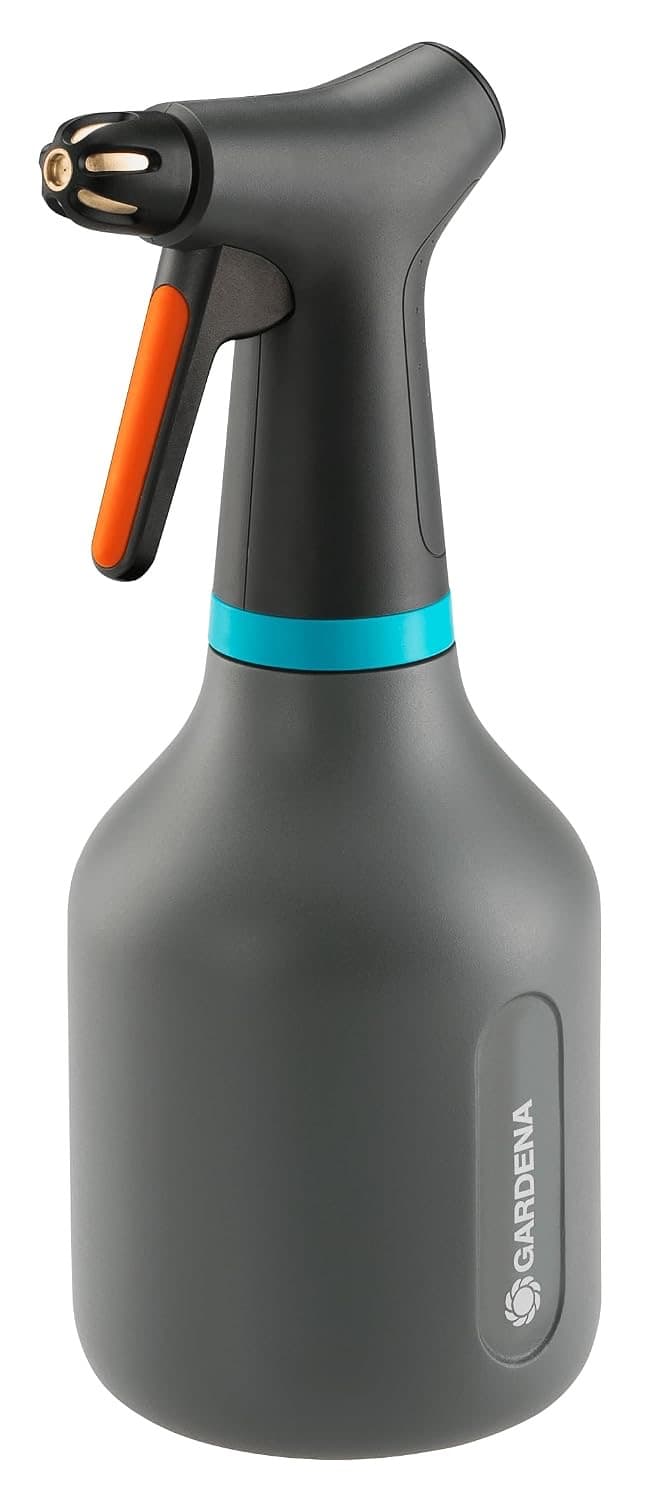
The care card in the mister box lists succulents next to orchids, so you spray the echeveria because the fern got a turn. Should I mist succulents? For most of the plants on a UK windowsill, no. They come from dry regions, they want low humidity, and a leaf that stays wet is how a rosette rots. The bottle you bought for a fern is the wrong habit on that pot.
The Royal Horticultural Society's growing guide is the cultivation page. A shop line that names succulents is an advert. Products Compared did not run a rot trial. The bottle figures further down are amazon.co.uk listings from this set on 15 October 2026. A qualifying purchase can earn us a commission at no extra cost to you.
In short
Should I mist succulents? Most houseplant cacti and succulents want dry air, and the Royal Horticultural Society lists too much humidity among their problems. Keep the mister for ferns, calatheas and a light summer pass on orchid foliage. Use a fine spray on cactus seed trays only while they are seedlings, not on an adult rosette.
What the RHS says these plants want
The Society's guide to growing cacti and succulents says most of them come from dry regions and want low humidity. Too much humidity is listed among the problems. A misting bottle appears there for watering seed trays, not as a daily leaf spray for adult plants. That is the opposite of a fern routine. If your only instruction was "mist the houseplants", the guide splits the sill in two.
Water an adult plant at the compost, on the interval that plant needs, and let the pot dry in the way its guide describes. A spray across the leaves does not replace that drink. It wets the surface that is supposed to stay dry. In a heated flat the air is already on the dry side, which suits these plants better than it suits a calathea. Adding a mister because the radiator is on copies the tropical-leaf habit onto a plant that was fine.
The limit is "most", not "every cactus on earth". The same guide flags epiphytic cacti as a rainforest exception. Read that as a boundary, not as a licence to spray the whole collection. A typical echeveria, aloe, or desert cactus stays in the dry group. If the label is silent, assume dry air until you have identified the plant.
Why a mister advert disagrees
Shop pages sell the bottle, so they name every plant a shopper might own. The Society's own plant shop has offered a copper-plated mister whose text says it suits orchids, succulents and seedlings. That line clashes with the growing guide on the Society's other site. One page is cultivation. The other is a product description. When they disagree, follow the growing guide for the plant and treat the shop sentence as an example of how adverts lump succulents with orchids.
The same lumping shows up on general mister rounds. A Guardian clinic on 3 July 2025, by Gynelle Leon, says misting is not one rule. She names ferns, calatheas and peace lilies as the humid group and tells you to look the plant up. Succulents are not in that sentence. Move the dry plant out of the group before you mist the fern, or you will wet both.
Bottle listings in this amazon.co.uk set talk about mist, stream, and litres. They do not know which plant you own. The spray bottle comparison helps you buy a fine droplet for the plants that want one. It does not put succulents on the schedule. A 0.3 mm nozzle, as stated on the white GRIFEMA, still leaves water on a rosette. Finer is not the same as harmless.
Rainforest exceptions, kept narrow
Epiphytic cacti are the exception the growing guide itself mentions. They are not a typical windowsill echeveria. Christmas cacti and some other forest cacti live in a different climate from a barrel cactus, and they can rot if you treat them as either a fern or a desert plant without reading further. This article will not expand that mention into a care sheet.
If you know you have an epiphytic cactus, look up that species before you spray. Water on the segments still needs somewhere to go. A daily mist copied from a moth orchid's summer line is the wrong transplant: the orchid guide is about foliage and aerial roots, with the crown kept dry, in hot weather. It is not a succulent timetable. The orchids and ferns page is where those humid plants are handled. Leave the exception narrow so the dry-air majority stays dry.
A pebble tray under a forest cactus is the same question in a saucer. Damp gravel can help a moth orchid in hot weather if the pot stays above the water. Under a desert succulent it holds the humidity the guide calls a problem. Do not add a tray because the mister advert mentioned succulents. Identify the plant, then decide. A mixed sill needs two routines, not a compromise that keeps every leaf slightly wet.
Seed trays are not adult plants
The misting bottle in the Society's guide earns its place at sowing. A fine spray damps a seed surface without washing grit and seed to the rim. That is a short season. Once seedlings are up and established, you water the compost and you stop treating the tray like a fern. A mature rosette is not a seed tray. Daily misting of an adult, because "the guide mentioned a mister", skips the sentence that limited the bottle to sowing.
Use a bottle that can actually mist for that sowing week. A jet from a cheap trigger blasts the surface the fine spray was meant to protect. In this set the Gardena pump (B08KGH3XDD) states a brass nozzle from a full jet to a fine mist, at £11.99, with 4.7 from 1,722 reviews. The white GRIFEMA states about three seconds from a 0.3 mm nozzle. Either claim is about the droplet, not about permission to spray succulents for life. Seed compost that stays sodden still fails. Damp, then dry enough, is the sowing rhythm.
Label the bottle if you use it for seedlings only, so it does not wander onto the adult pots out of habit. When the prickly pears and the echeverias are potted on, retire the mist for those plants. Keep it for the fern. The limit is the life stage.
Where the spray bottle belongs instead
Point the mister at the humid group. Ferns and calatheas in a heated flat can take a light morning pass, with the longer humidity job done by a tray or by grouping, not by spraying all day. How often is on how often to mist houseplants. Peace lilies sit in Leon's list, and they still rot if the crown is flooded. Orchid foliage and aerial roots, lightly, in hot weather, with a dry crown, are the other proper use.
Leave the succulent on a bright, airy sill, watered at the compost, with no pebble tray and no evening spray. If you already misted and the centre is holding a bead, tip the pot and let it dry before night. A soft, translucent leaf is the sign to stop, not the sign to "give it a bit more humidity". Dry air was the brief. More water on the leaf contradicts it.
Choose the bottle for the fern and the orchid, and for the seed tray while it lasts. Hard tap water still spots the plants you do mist, which is a jug question on tap water or rainwater for misting. None of that jug advice puts the succulent back under the nozzle. The advert can list every plant in the house. The growing guide does not. Follow the guide, and the mister stays useful where the leaves actually want it.
Common questions
Will a light mist water a succulent?
Do succulents like humid rooms?
What about a Christmas cactus?
Why does the mister advert mention succulents?
Can wet leaves cause succulents to rot?
Should I mist cactus seedlings?
Which plants should get the mister instead?

Products Compared publishes British-English buying guides based on amazon.co.uk listings and public UK sources. We do not run a lab and we do not invent test scores.
Related articles

How often to mist houseplants
Ferns and calatheas can take a light morning mist when the heating is on. Cacti are not on that calendar.

Pebble tray vs misting houseplants
A tray and a spray are for plants that want damper air. A succulent under either one stays wetter than it should.

Tap water or rainwater for misting
Orchid pages prefer rainwater or cooled boiled water. That jug is for the plants you do mist, not for a dry rosette.