How often to mist houseplants: a heated-flat rhythm

How often to mist houseplants in a heated UK flat: a morning spray wets the leaf, then the air falls back. Pair it with a tray, and stop if leaves stay wet.
On this page
You shut the door on a cold evening, the radiators tick, and the fern by the window looks duller than it did in September. How often to mist houseplants is the question that follows: once a week, every morning through winter, or not at all. The useful split is between a wet leaf and a damper room. A spray can do the first for a short while. It does not hold the second through an evening of heating.
The Royal Horticultural Society lists frequent spraying beside a damp-pebble saucer and grouping plants. James Wong's reporting puts a clock on a single spritz, and that clock is minutes. This page sets an interval for a heated UK flat once you accept that limit. The hand movements sit on the how to mist page. Products Compared did not run a humidity trial. Bottle prices and review counts below are from amazon.co.uk listings in this set on 15 October 2026. A qualifying purchase can earn us a commission at no extra cost to you.
In short
How often to mist houseplants depends on the job. A light morning spray on a fern or a calathea wets the leaf, and James Wong's home meters saw the air fall back within about 20 to 30 minutes. Use a pebble tray or a group of pots for anything longer, and stop if the leaf is still wet or a crown is filling with water.
What often means on the RHS page
The Royal Horticultural Society's houseplant growing guide treats spraying as useful when you do it often, and it lists that spray with a saucer of damp pebbles and plants stood together. There is no Sunday timetable, and no line that every pot needs a mist. Frequent, beside those other methods, means a habit you repeat, while the tray and the group cover the hours a trigger pull cannot.
The Phalaenopsis guide is the page people stretch. It talks about misting foliage and aerial roots daily in hot weather, lightly in summer, with water kept out of the crown. That daily line is a hot-weather note for a moth orchid. A heated flat in January is dry because the radiators are on, and it is still a weak match for that sentence. Once a week, the interval that fits a watering round, reads as housekeeping: a dusting visit if you wipe the leaf as well.
Match the plant and the season, and stop when a leaf stays wet or a crown holds water. Crown and aerial-root detail sits on the orchids and ferns page. The limit is species and weather. A summer orchid and a winter cactus are not on the same line of that guide.
What a single spray does to the air
James Wong's Guardian column of 23 May 2021 says a spritz lasts minutes. He writes that studies point to misting every five to ten minutes if you want the humidity to change and stay changed, and he treats that rhythm as something you will not keep. The five-to-ten-minute line is a limit. It is a reason to add a tray, a group of plants, or a damper room. It is a poor prompt to walk the flat with the trigger held down.
His New Scientist piece of 1 November 2023 puts meters on a home trial. A living room moved from about 50 per cent to about 70 per cent relative humidity and drifted back in about 30 minutes. A drier room returned in under 20 minutes. He repeated each trial three times. Mark those figures as one person's home trial. They are not a published laboratory standard, and they are not a promise for your hallway.
A heated UK flat sits closer to the drier case than to a steamy bathroom. The plume is small, the room is large, and the heating keeps pulling moisture out of the air. A second spray still lands inside that short window. Wong's own move after the meters is a terrarium, or plants grouped on a pebble tray. How those two jobs differ is on the pebble tray page. A shut bathroom holds a mist longer than a living room, and the bottle is still a top-up beside a tray.
A practical rhythm for a heated flat
On days the heating is on, give ferns, calatheas and other thin-leaved tropicals a light morning pass. The Society's pages used here do not name an hour. Morning is the practical choice because the leaf can dry while the room warms and the window is bright. A night spray leaves droplets through the coldest hours, and a wet leaf on a cold pane stays wet a long time.
Keep the pass light. Wet the surface. Leave the compost and the crown alone. One slow sweep, then look. If water beads in the centre, tip it out. If the leaf drips onto the sill, you used a jet or held the trigger too long. Distance and angle sit on the how to mist page.
A Guardian clinic on 3 July 2025, by Gynelle Leon, says misting is not one rule. She names ferns, calatheas and peace lilies for humid air, and tells you to look the plant up. A peace lily in that group still rots if the crown sits in water. Use the morning pass as the leaf habit, and let a pebble tray or a cluster of pots carry the hours you are out. Skip the next pass when the leaf is still wet, a crown holds a bead, or a soft brown patch shows on tissue that never dried. If the fern still flags after a Sunday mist, move the longer job to the tray, the group, or a lighter room with enough daylight. A dark bathroom starves the leaf.
Plants that are not on this schedule
Ferns and cacti do not share a week. The Royal Horticultural Society's cactus and succulent guide says most of these plants come from dry regions and want low humidity, and it lists too much humidity among the problems. A mister guide that prints succulents beside orchids is copying a shop list. Leave a typical echeveria or a desert cactus dry on the leaf. The narrow exception for some epiphytic cacti is on should I mist succulents.
Moth orchids sit in a third box. Daily misting of foliage and aerial roots belongs to hot weather, lightly, with the crown kept dry. In a heated flat in winter, a daily soak is how water sits in the centre. Water the pot when the roots look pale and silvery, which is a different job from misting the leaf. Start with the fern and the calathea, and leave the cactus out. One calendar for the sill rots the dry-air plant. A Christmas cactus is not a barrel cactus.
When the bottle itself is the problem
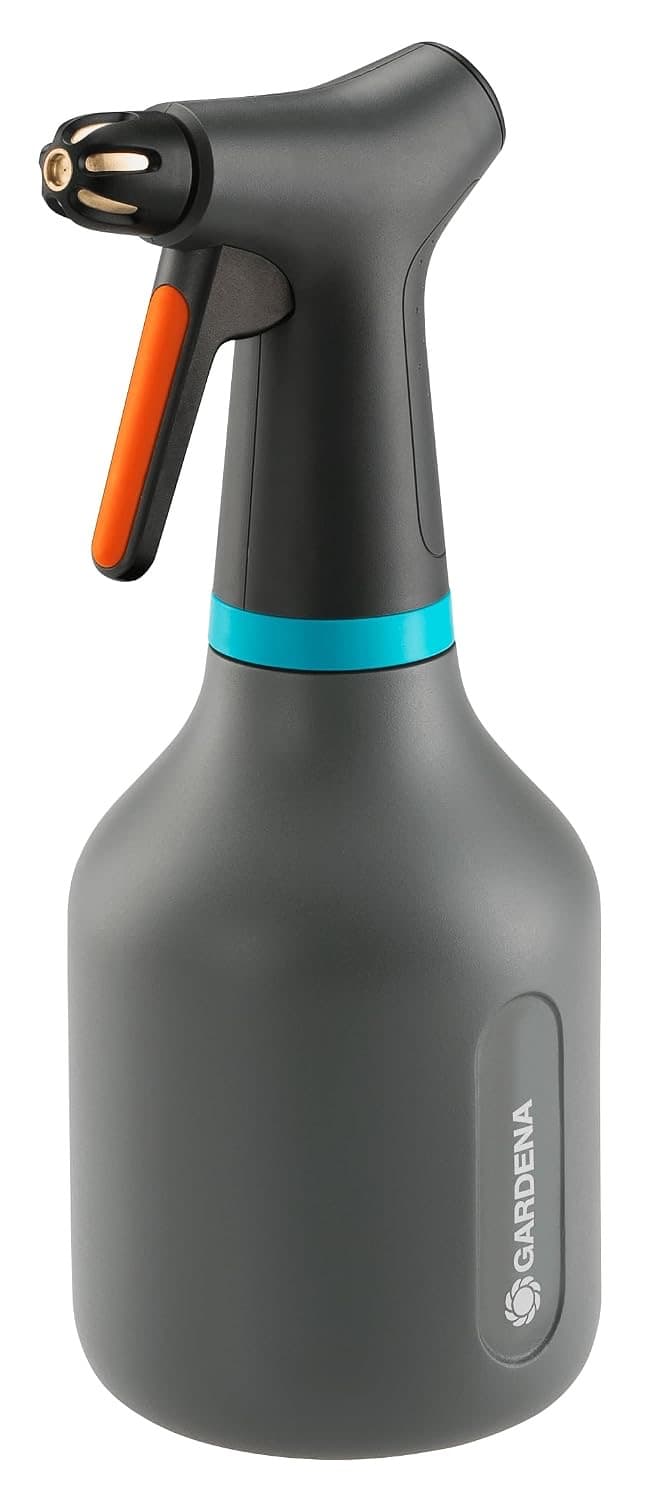
The interval is beside the point if the bottle throws a jet. A stream soaks compost and fills crowns, which is the failure the orchid guide tells you to avoid. In this amazon.co.uk set, checked on 15 October 2026, the white GRIFEMA (B0DXTLWVBL) states a 0.3 mm nozzle and about three seconds of mist, at £4.99, with 4.3 from 2,900 reviews. The Gardena pump (B08KGH3XDD, model 11110-20) states a brass nozzle from a full jet to a fine mist, 0.75 litres, £11.99, and 4.7 from 1,722 reviews. Reviews also cite a slow trigger, a unit that lasted under three months, and one that arrived wet inside.
The Draper 1 litre (model 80620) is £3.29 with 3.8 from 764 reviews, and the listing does not name a spray pattern. In the first 50 UK reviews, many say it does not spray, leaks unless upright, or throws blobs. On a fern, a blob is how a morning mist becomes a wet crown. If a fine mist has turned into a dribble, rinse the nozzle before you change the calendar, using clean a clogged plant mister. A dead head is the 30-day article, not a humidity problem.
Choose on the spray bottle comparison, and use the buying guide for what a listing claims about the droplet. A fine mist still fades in the minutes Wong measured. Prices on these listings move, and a star rating is not a humidity test.
Common questions
Is misting once a week enough for houseplants?
Should I mist houseplants every day in winter?
Does a heated flat need more sprays?
Is morning or night better for misting houseplants?
If a spray only lasts minutes, why mist at all?
Do ferns and cacti share a misting schedule?
How do I know I am misting too often?

Products Compared publishes British-English buying guides based on amazon.co.uk listings and public UK sources. We do not run a lab and we do not invent test scores.
Related articles

Pebble tray vs misting houseplants
A spray fades in minutes. A pebble tray is the longer method in some UK writing, and other sources still doubt the tray.
Hard water marks on houseplant leaves
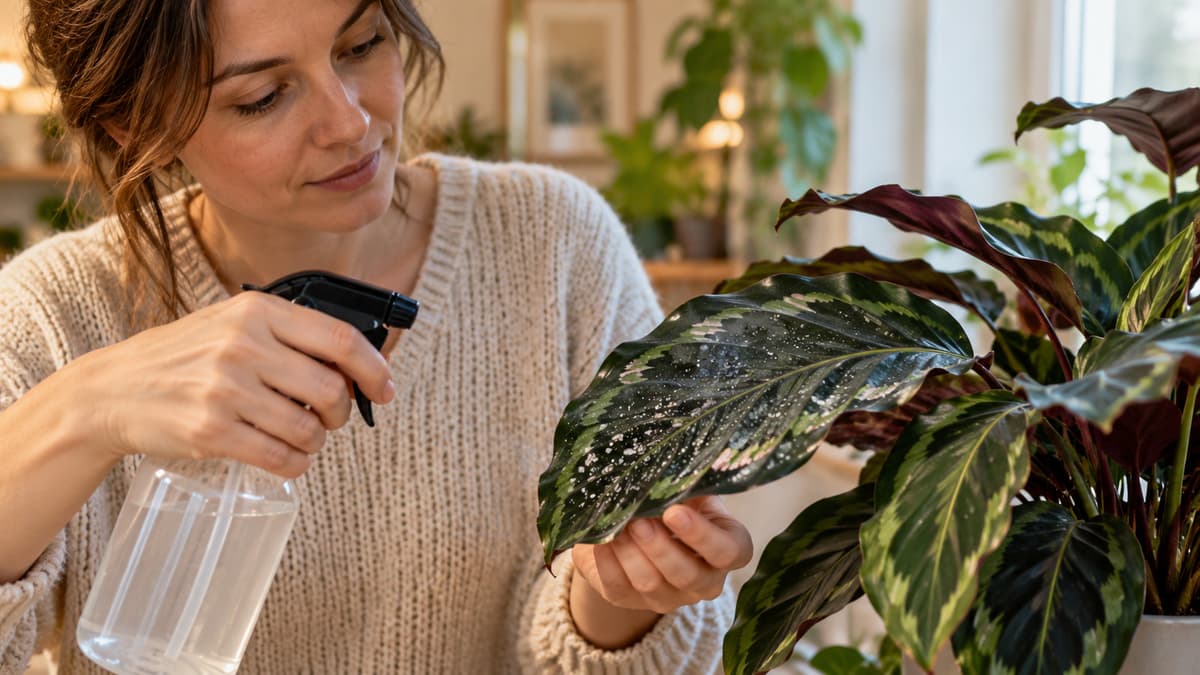
White spots after misting are usually limescale from a hard tap, and the same minerals fur a fine nozzle.

Should I mist succulents?
Most cacti and succulents want dry air. A mister advert that lists them beside orchids is shop copy, not the growing guide.