Clean plant spray bottle nozzle: a warm-water rinse
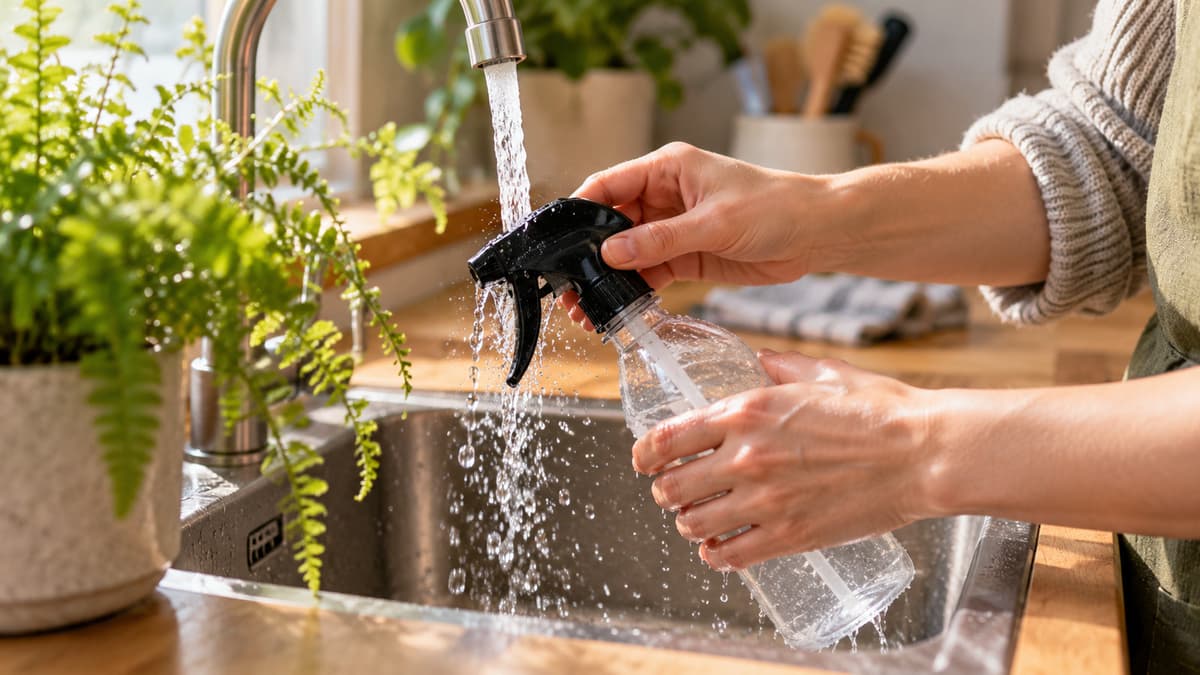
Clean a plant spray bottle nozzle with warm water through the head and tube. Scale and a curled dip tube are different faults from a trigger that has died.
On this page
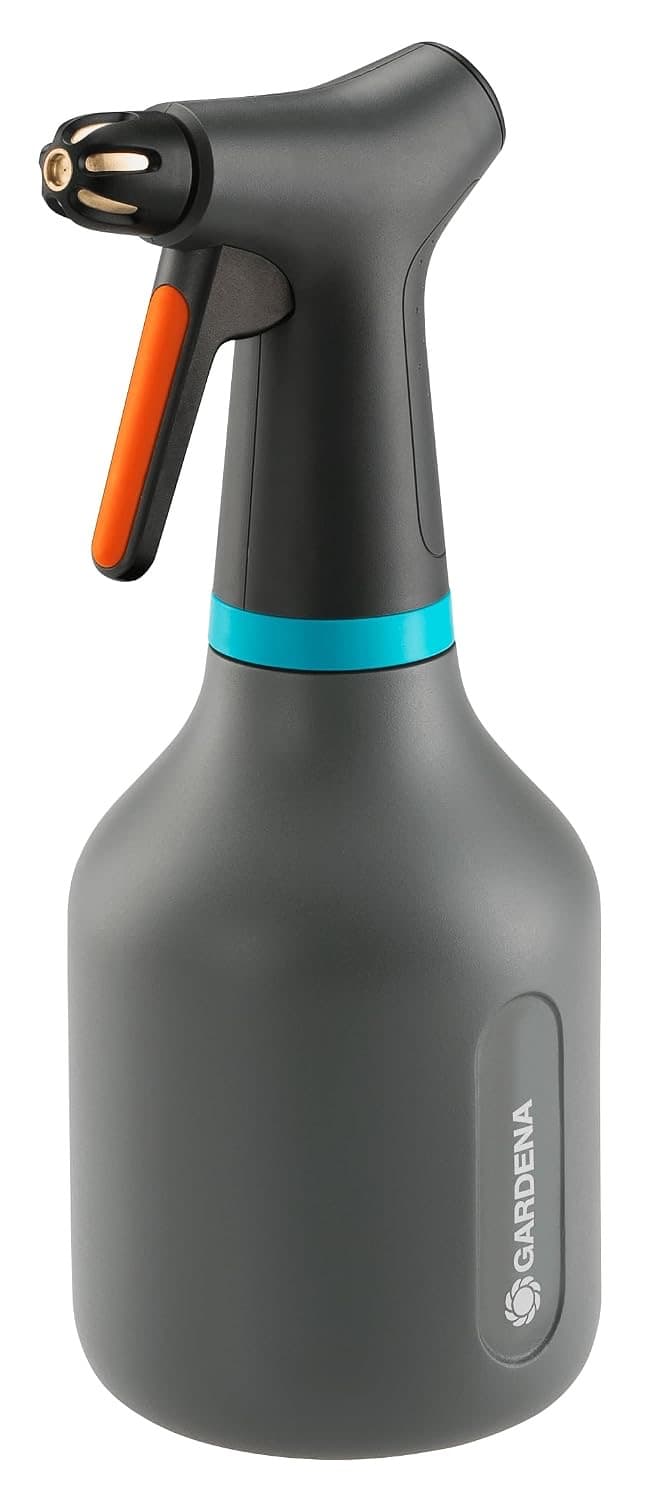
The fern gets a dribble down one leaf, or a jet that soaks the compost, and the bottle that used to mist has gone coarse. Clean a plant spray bottle nozzle before you blame the plant or buy another trigger. Three different failures look similar from the foliage side: minerals in the hole, a dip tube that never reaches the water, and a head that is simply dead.
The GRIFEMA listings tell you to rinse with clean water. They do not publish a vinegar recipe, and this page will not invent one. Reviewers in this amazon.co.uk set, checked on 15 October 2026, supply the other failures: tubes cut shorter, and triggers that fell apart. Products Compared did not laboratory-test a rinse. A qualifying purchase can earn us a commission at no extra cost to you.
In short
Clean a plant spray bottle nozzle by rinsing the head and the intake tube with warm water, then pumping clean water through, which is what the GRIFEMA listings describe. Straighten or, if you choose, shorten a tube that never reaches the water. Stop when a spring has failed. That is a faulty bottle, not scale.
Three different failures
Watch what the bottle does, in this order. First, the water. If a fine mist has slowly become blobs, and your kettle furs, the nozzle is the likely store of the same minerals. Grow Tropicals' account of hard-water England is the leaf version of that story. The Drinking Water Inspectorate defines hardness for the tap. The white spots on the leaf are explained on hard water marks on houseplant leaves.
Second, the tube. If the bottle only sprays when it is full, or only when you hold it upright, the dip tube may be curled on the base or too long to sit in the water when you tilt. Draper reviews and THE BELL reviews both describe tubes buyers cut before the bottle would spray at a tilt. That is a review report. It is not a printed instruction.
Third, the head. If nothing happens, a spring is in the sink, or the trigger came apart on the first squeeze, rinsing is the wrong job. Sale Junction reviews include a trigger that fell apart and a spring that came out. Lafefe's dark green bottle has a review that the spray broke in two days. Those units are a 30-day right, not a mineral problem.
Rinse what the listing tells you to rinse
The white GRIFEMA (B0DXTLWVBL, £4.99, 4.3 from 2,900 reviews) says to use clean water and to rinse the spray head and the internal tube so mineral build-up is reduced. It also says the bottle is not dishwasher safe. Unscrew what the design lets you unscrew, run warm water through the head both ways, and rinse the tube. Then fill the bottle with clean water and spray until the pattern steadies. That is a product instruction, not a trial we ran.
The black GRIFEMA (B0CMPTSGL4, £4.79, 4.3 from 2,465) says that if the spray becomes uneven, rinse the nozzle and the intake tube and pump clean water through. It also says to avoid thick oils, and to keep to water or other thin, water-based liquids. Pump until the water coming out looks like the water you put in. If the pattern is still a jet after a thorough rinse, look at the tube next, then at whether this unit ever misted. A listing that never named a fine mist cannot be rinsed into one.
Other bottles in the set are vaguer. The Draper 1 litre does not name a spray pattern at all. If it always threw blobs, the rinse may change nothing, because blobs were the behaviour reviewers already described. The spray bottle comparison is where those claims sit side by side.
The tube that never reaches the water
Take the head off and look at the tube before you reach for scissors. A tube curled in the shoulder or floating above the water will suck air, and the trigger feels dead even when the spring is fine. Straighten it so the open end rests at the bottom. Fill to the level you actually use. A 1 litre bottle kept half empty with a short tube is the same fault in reverse: the end is in the air.
Reviewers of the Draper and of THE BELL cut tubes they said were too long. Some then sprayed at a tilt. If you cut, you are modifying the goods. Photograph the tube, keep the piece, and take only a little off. A tube cut too short fails as soon as you angle the bottle at a hanging pot, which is exactly when a plant mister is useful. The how to mist page assumes the bottle can deliver a mist to the leaf. It cannot, if the tube drinks air.
THE BELL pack (B0GS68VP95) was £4.99 for two 400 ml bottles, with 4.0 from 2,079 reviews, and the review pattern includes curled tubes as well as dead triggers. A curled tube on one bottle and a dead trigger on the other are two repairs. Rinse and straighten the first.
What not to soak or force
Do not invent a vinegar bath. The Guardian column of 8 September 2026 treats vinegar and lemon as leaf hacks and tells you not to trust every acid tip. It does not give a safe soak for a spray head, and the Royal Horticultural Society is not the source of a ratio here. Acid left in the nozzle is the next mist the fern drinks. Warm water is the step the listings actually print.
Do not put the bottle in a dishwasher because one listing forbids it and the others mostly stay silent. Do not push a pin through a 0.3 mm hole as a first move. You can enlarge the outlet and turn a mist into a permanent jet, which is the failure you were trying to undo. If a gentle rinse fails, the hole may be blocked by something a pin will not fix, or the head may be worn. Stop before the tip is oval.
Oils are the other soak to refuse. The black GRIFEMA's avoid-thick-oils line is the maker's limit. One review that used neem oil without a clog is one review, not a licence for the rest of the set. If oil is already in the bottle, flush with warm water until the spray is thin and clear, and keep that bottle off an orchid crown meanwhile. Pesticide washings are not this article. They follow the label, which is pesticide in a spray bottle.
When to stop and reject the bottle
Stop rinsing when the hardware is broken. A spring in two pieces, a trigger that fell off on day one, or a pump that never built pressure is not limescale. Citizens Advice's tests are satisfactory quality, fit for purpose, and as described, and they do not apply to misuse. A bottle you filled with thick oil against the listing is a weaker complaint than a bottle that arrived unable to spray water. The clock and the pause are on faulty spray bottle consumer rights.
Say what you already tried: warm water through the head and tube, a check that the dip tube reaches the water, and clean water only. That record stops a seller replying that it just needs a clean when you have cleaned it. It also stops you rejecting a bottle that only needed a rinse. Photos of a missing spring are clearer than a paragraph about a fern.
If the rinse worked, change the water you put back in. Rainwater or a jug filter slows the next fur on a hard tap. The buying guide is for the next bottle if this head is finished: look for a stated fine mist, and read the reviews for stopped as well as the stars. Prices in this set ran from about £2.99 to £11.99 on 15 October 2026. A new bottle filled with the same hard tap water will fur again. The rinse is maintenance. The jug is how you do it less often.
Common questions
Why did a fine mist become a jet or a dribble?
Can I soak the whole spray head?
Should I use vinegar in the nozzle?
The dip tube is curled. Should I cut it?
What if rinsing does nothing?
Is a plant mister dishwasher safe?
Can oil be the clog?

Products Compared publishes British-English buying guides based on amazon.co.uk listings and public UK sources. We do not run a lab and we do not invent test scores.
Related articles

Spray bottle not spraying
Nothing coming out can be an empty tube, a clog, or a head that failed. Sort those three before you reorder.
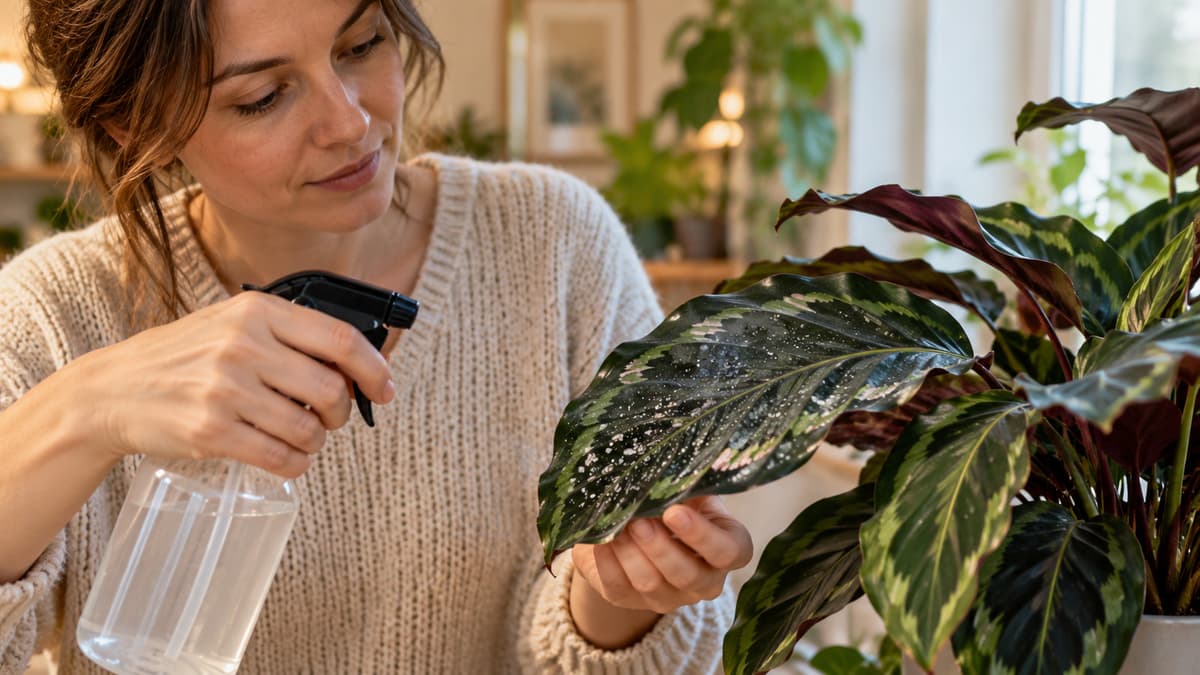
Hard water marks on houseplant leaves
The chalk on the leaf and the chalk in the nozzle are the same minerals. Change the water after you rinse.

Faulty spray bottle consumer rights
A dead trigger inside 30 days is a conformity question. A furred nozzle is a rinse, not an automatic rejection.