Spray bottle not spraying: tube, scale or a dead head

A spray bottle not spraying is a dip tube off the water, scale in the nozzle, or a dead trigger. Rinse the head and reseat the tube before you reject it.
On this page
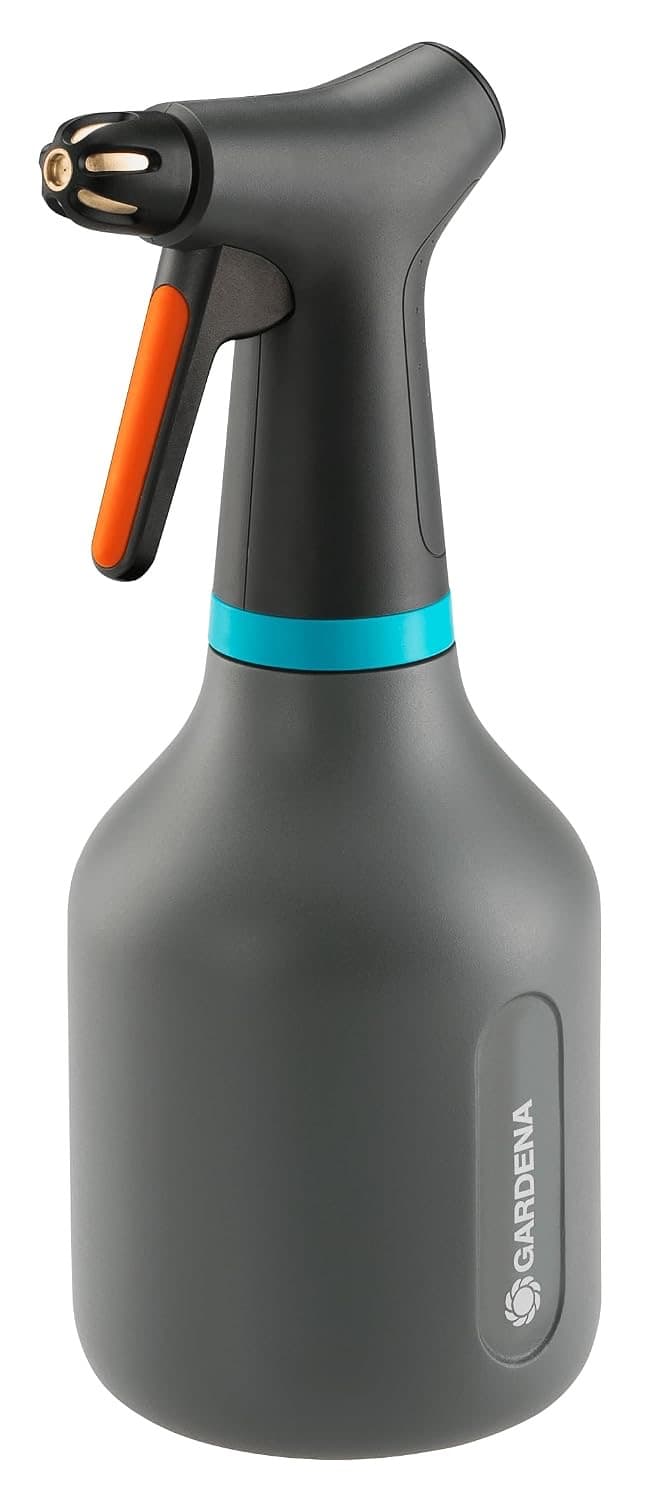
You squeeze, the fern stays dusty, and a dribble runs down your wrist. A spray bottle not spraying has a short list of causes in this amazon.co.uk set: the dip tube is not in the water, the nozzle is furred or gummed, or the head has failed. The practical record is the review text, plus the rinse lines on two GRIFEMA listings.
No British Standard for a £3 trigger turned up in the searches behind this article, and this page will not invent one. Products Compared did not strip a bottle in a lab. Prices and review counts are from the listings on 15 October 2026. A qualifying purchase can earn us a commission at no extra cost to you. Sort the symptom here, then use faulty spray bottle consumer rights if the head is dead rather than dirty.
In short
A spray bottle not spraying needs three checks in order: water at the end of the dip tube, a rinse of the nozzle and intake tube, then a decision that the head is dead. Scale and a curled tube are maintenance. A spring on the counter on day one is a fault. The 30-day right covers goods that do not conform. It does not cover a nozzle you have not rinsed.
Nothing comes out
Start with the boring checks, because they fix bottles that feel broken. Is there water in it? Is the nozzle turned to off? Several listings, including Lafefe and THE BELL, name an off position beside mist and stream. A collar left on off is a silent bottle. Twist through the positions over a sink before you decide the spring has gone.
If every position is dry, take the head off and look at the tube. A curl on the base, which THE BELL reviewers describe, holds the open end in the air. Straighten it so it rests at the bottom and try a pump of clean water. A bottle that never primes, with the tube seated, has a head fault rather than an air lock. Sale Junction reviews include a trigger that fell apart on first use and a spring that came out. That is not air in the line.
Draper's 1 litre (B079KJNG6P, £3.29, 3.8 from 764 reviews) draws a pile of "does not spray" notes in the first 50, along with leaks unless upright and blobs. Lafefe's 1 litre texts include one that stopped pumping and leaked, and one in which two purchases stopped within a few weeks. Those are patterns, not proof your unit matches them. The notes sit next to the claims on the spray bottle comparison.
It dribbles or only jets
A dribble on the hand and a jet on the leaf are different leaks. Water from the trigger collar, or only when the bottle is tipped, points at a seal or a tube that loses its drink as soon as you angle it. Draper reviews mention leaks unless the bottle stays upright. THE BELL reviews mention leaking heads. A wet hand means the pressure escaped before the nozzle.
A jet or a blob from the tip, after a period of fine mist, is a partial clog. The white GRIFEMA (B0DXTLWVBL, £4.99, 4.3 from 2,900 reviews) states a 0.3 mm hole and about three seconds of mist, and it tells you to rinse the head and internal tube so mineral build-up is reduced. Hard tap water is enough to do that fur. The same minerals mark the leaves, as hard water marks on houseplant leaves explains. Rinse before you open the nozzle with a pin. A pin can turn a mist into a permanent jet.
If the bottle always jetted, read the listing again. Vwoqiy's pack does not name its two modes. The Draper page names neither mist nor stream. You may have bought a jet. The buying guide separates those claims. A jet into a crown is how a mister harms an orchid. The how to mist page assumes you can produce a mist. This page is what to do when you cannot.
The tube
The tube is a straw. If the end is above the water, the pump moves air and the trigger feels dead. If the tube is so long that it coils and kinks, the same thing happens at a tilt. THE BELL's review pattern includes curled dip tubes that buyers cut. Draper reviews say the inner tube is too long until it is cut. Both are reports of what people did. Neither listing prints "cut the tube" as a step.
Straighten first. Seat the end at the bottom. Pump. If the coil still holds the end up, a short cut is the modification reviewers tried. Take off only enough for the end to sit in the water you actually keep in the bottle. Too short, and a half-full litre sucks air the moment you raise it to a hanging pot. A seller can argue that you altered the goods. The cut does not create a spring that was already broken.
Admygo's six reviews include a bottle that stops off vertical. That can be a tube problem or a valve that only works upright. The listing does not claim a spray at an angle. If yours only works upright, it may match a listing that never claimed one, and it is still a poor mister for a high shelf.
It worked, then died
A bottle that misted for days and then stopped is the review line that frustrates people most. GRIFEMA black and white both collect praise for a fine mist and complaints that a unit stopped after days or about a month, or never sprayed continuously. Some buyers date a GRIFEMA failure as "just after the return window". Lafefe dark green's only review text says the spray broke in two days. Lafefe's litre texts include pumps that stopped and leaked. A week of use does not prove the design, and it does not, by itself, prove limescale.
Rinse once, properly, before you choose the story. The black GRIFEMA says: if the spray becomes uneven, rinse the nozzle and the intake tube and pump clean water through. Avoid thick oils. If clean water restores a mist, you had a clog, and the next fill should be rainwater or filtered water on a hard tap. The warnings about vinegar and dishwashers are on clean a clogged plant mister. If the rinse changes nothing and the trigger is slack or shattered, stop. You are in fault territory.
Some GRIFEMA units only spray while the trigger is held. From day one, that fights a continuous-mist claim. After weeks of hard water, it may be wear or scale. Quote the listing sentence you relied on.
What a rinse will not fix
A rinse will not put a spring back, glue a trigger that fell apart, or replace a pump that never pressurised. Sale Junction's first-use failures and Lafefe green's two-day break are that class. So is a Gardena unit, in the first 50 reviews, that lasted under three months or arrived with water inside, and the one reviewer who wanted spare parts and could not see them. Do not turn that single comment into "no spares exist". Do not publish a teardown. Forcing the head off a sealed pump often ends the seal you would need if a part were available.
Citizens Advice is the path when the head is dead rather than dirty: satisfactory quality, fit for purpose, as described, and no rights for wear, accident, misuse, or a fault you knew about. Thick oil in a bottle whose listing said to avoid it is misuse. A dead spring on arrival is not. Section 22 of the Consumer Rights Act 2015 is the 30-day right. The clock, the pause if you agree a repair, and day 40 are on the 30-day article. Ask for the refund there, with photos.
If the rinse worked, the bottle goes back to water only. The price bands are on what a plant mister costs. Spend the next pounds on a listing that names the mist, and keep the tube in the water.
Common questions
Why does nothing come out of my spray bottle?
Why does the mister dribble on my hand?
Should I cut the dip tube?
It worked for a week and then stopped. What now?
The mist has become a jet. Is that a clog?
Can I buy a spare spray head?
When do I ask for a refund?

Products Compared publishes British-English buying guides based on amazon.co.uk listings and public UK sources. We do not run a lab and we do not invent test scores.
Related articles

Faulty spray bottle consumer rights
If the head is dead inside 30 days, the short-term right to reject is the legal route. Scale is not that route.
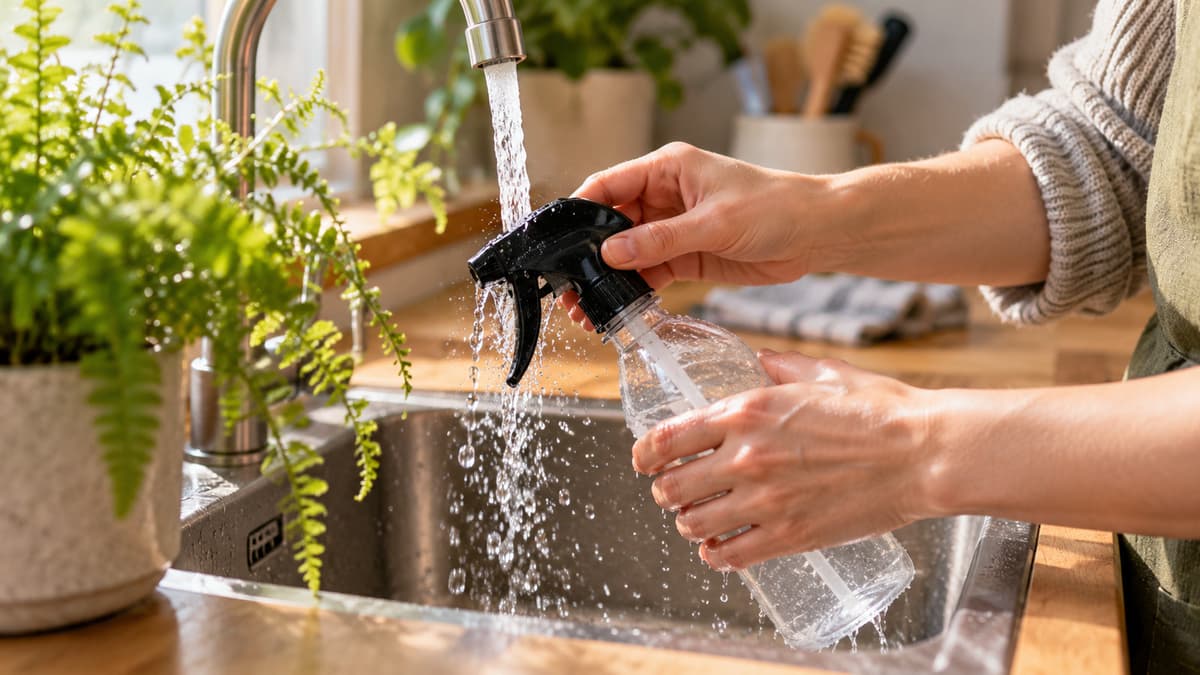
Clean a clogged plant mister
Warm water through the head and tube is the GRIFEMA step. It will not rebuild a spring that has already fallen out.

Plant mister price UK
This set cost about £2.99 to £11.99 on 15 October 2026. A cheap trigger and a £12 pump can both stop.