How to clean safety boots: tread, drying, and limits

How to clean safety boots starts with the tread, because clogged cleats lose grip. Dry the upper slowly. A wipe does not restore a failed sole or an ESD claim.
On this page
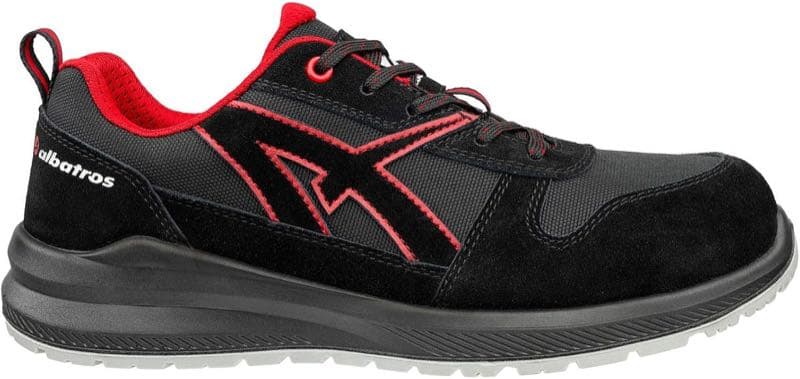
You have knocked the worst of the clay off at the door, and the cleats are still full. The floor inside is smooth, and the sole is now a flat cake of mud. How to clean safety boots, on HSE's slip guidance, starts there. Clogged tread stops gripping. The upper can wait a minute. A tin of polish does not put the pattern back.
The routine below is a cautious one for shoes whose amazon.co.uk files do not print a care label. It will not restore an S3 water-resistant claim, an ESD mark, or a sole that has already come unstuck. If the boots are required PPE, the employer meets the cleaning cost.
In short
Brush clogged tread clear so the sole can meet the floor, wipe the upper, and dry the pair slowly away from direct heat. Pull a loose insole out while they dry, and change wet socks. A machine wash is not in these listings. Grease does not make a boot waterproof, and a separated sole is a replacement. Cleaning costs for required PPE are not yours to fund.
Clean the tread because of grip
HSE's page on slip-resistant footwear tells buyers to clean soles because clogged cleats lose grip, and to pick another tread if the pattern packs solid. Knock off dry mud first, outdoors, so you are not grinding grit into the upper. Then work the tread until you can see the rubber again. A hose that fills the shoe is a different problem: the sole should be clean and the lining still dry.
Clogged safety boot tread matters most at the threshold. A yard boot walked straight onto a smooth warehouse floor carries the yard with it. Stretch wrap, oil, and cardboard dust fill the pattern the same way clay does. Clear the sole when you change surfaces, not only at home on Friday.
There is a limit to brushing. If the same cleat packs solid every shift, HSE's next step is a different sole design. The warehouse floors article is about matching the pattern to the floor. Cleaning keeps the pattern you have. It does not convert an S3 cleat into a closer indoor sole.
Worn rubber is the other limit. Once the cleats are rounded away, there is nothing to unclog. When to replace safety shoes is that decision. Keep cleaning for dirt. Stop cleaning when the sole has worn smooth or started to peel.
Wipe the upper and dry it slowly
After the sole, wipe the upper with a damp cloth. Mud left in the stitch line dries hard and cracks the seam when you flex it the next morning. These titles mostly leave the upper material unstated, so a soaked cloth is more water than the file supports. Damp, then dry, is the cautious wipe.
Dry safety boots at room temperature. Loosen the laces, pull out a removable insole, and let air reach the lining. Paper in the foot helps the upper hold its shape. Keep the pair off a radiator, a fan heater, and a sunny dashboard. Direct heat can stiffen leather and distort a heel counter. These amazon.co.uk files state no drying temperature.
S3, where a title prints it, is a water-resistant upper claim, not a licence to soak the shoe and bake it back. If water is entering at a seam or at the sole joint, you are past care and into replacement.
A machine wash is not in these listings. Do not invent a 30 degree cycle because a trainer you own allows one. A drum flexes the sole bond and soaks the footbed. If a hangtag for the exact model later allows a wash, follow the hangtag. Until then, brush and wipe.
Insoles, socks, and sweat
Safety shoe insoles take the sweat the upper holds in. Clifton Low reviews mention an insole that failed after about a month, and other comments in this set mention sweat on long factory shifts. Those reviews are mostly not marked United Kingdom. They describe the sock and the loose footbed, not a polish routine that repairs a shredded insole.
Pull a loose insole out at the end of the day so both sides can dry. A glued footbed stays in. If the insole has collapsed or stayed wet for a week, replace it when a matching one exists. These listings do not include a spare insole in the box. If the footbed under a failed insole has broken up, the shoe itself is the replacement.
Socks are the part you change daily. Fit the boots in the work socks you will wear. That is the point of the work socks comparison and of the fitting guide. A wet sock put back on at lunch keeps the lining wet. A thicker sock can take up a little room on a shorter foot, and it still has to leave the heel snug and the toes off the cap.
Two pairs, rotated, are how a lining dries overnight. If the assessment requires both pairs, both are PPE and the employer provides them. If the second pair is your idea, it is a spare you choose. The dry pair is the one you put on.
What cleaning cannot fix
A sole that has unstuck is finished. Aer55 has a review, marked France, of a sole that came unstuck after two days. Ultratrail mid comments include a sole that came away. A household adhesive is not a method in these files. Replace the pair. The same stop covers smooth tread, a pulled eyelet, exposed protection, and a blow to the toe.
An antistatic or ESD sole permanently fouled with paint is the same limit. Arco names that fouling as a reason to replace, not just to wipe. Leather grease on the outsole is not a refresh of the electrical claim. Do not grease the tread of a shoe whose job includes ESD or the antistatic mark and then walk it back into a controlled area.
S3's upper claim is not restored by wax, dubbin, or a household spray. The WR mark is a different claim, and this routine does not add it. If the seam has opened and the shoe no longer sheds water the way the title described, the honest step is a new pair of the class the site asks for.
The Albatros comparison prints those class letters, model by model. Clifton Low at £55.14 is a shoe people stand in all day, with S3 SRC on the title. It has no published care schedule in this file. The price is not a maintenance interval.
Who pays for the cloth and the brush
HSE's priced guidance L25 says the employer must not charge the worker for PPE cleaning costs, including where a worker is asked to clean required PPE at home. The employer still has to make sure the cleaning does not damage the equipment. A brush, a cloth, and a reasonable cleaner for those boots are that cost.
HSE's COSHH PPE page treats maintenance, including cleaning, as one of the employer's questions, alongside replacement. The cleaner has to stay compatible with the rest of the PPE. A solvent that strips a glove, or a grease that fouls an antistatic sole, fails that test. If you are unsure a product is allowed, ask whoever issued the boots.
A spare pair you chose, beyond what the job requires, is your cleaning bill. Who pays for safety boots draws that line. Required pair: employer, including replacement after wear and including cleaning. Voluntary extra: you.
These points come from HSE's slip footwear page, HSE L25, HSE's COSHH PPE page, Arco's risks note on fouled antistatic soles, and review comments in the Albatros files. Products Compared did not run a cleaning trial and did not certify that any household product is safe on these uppers. A qualifying purchase through a comparison link can earn us a commission at no extra cost to you. The commission does not add a care label the listing left blank.
Common questions
How do I clean safety boots without wrecking them?
Can I put them in the washing machine?
How do I dry them after rain?
The tread is full of mud. Does that matter?
Should I pull the insole out?
Who pays for polish and cloths if they are work boots?
Will leather grease make them waterproof?
How does this relate to socks?

Products Compared publishes British-English buying guides based on amazon.co.uk listings and public UK sources. We do not run a lab and we do not invent test scores.
Related articles

When to replace safety shoes
A split sole, a smooth tread, or a blow to the toe means replace. Cleaning will not close a gap.

Who pays for safety boots in the UK
Cleaning costs for required PPE sit with the employer, even if you wipe the boots at home.

How to fit safety footwear
Try both shoes in the work socks you will wear. A thicker sock is not a fix for the wrong last.