Who pays for safety boots UK: the duty, and the spare

Who pays for safety boots UK: the employer supplies required PPE free of charge, including replacement after wear. A spare you choose is a different payment.
On this page
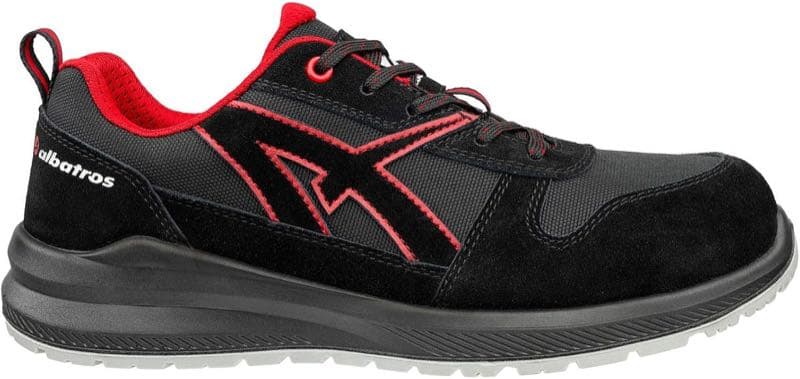
The boots have split at the flex, the site still expects S3, and someone has suggested the next pair comes out of your wages. Who pays for safety boots UK, when the assessment says you need them, is the employer. The boots are PPE. A spare you buy because you want another colour is a different payment.
This is the public rule from the regulations, HSE, and HMRC's National Minimum Wage manual. It is not advice on your contract, and it does not look at a deduction already taken from your pay.
In short
If the risk assessment requires safety boots, the employer provides them free of charge, including a replacement after normal wear. Section 9 of the Health and Safety at Work etc. Act 1974 is the ban on charging. A spare pair you choose, when the job does not require it, is your cost. Limb (b) workers were brought into the 1992 duties in 2022. Self-employed people have their own duty, and the contract decides who supplies the pair.
When the boots are required PPE
Regulation 4 of the Personal Protective Equipment at Work Regulations 1992 requires suitable PPE where a risk remains. The duty applies except where other controls already deal with the risk adequately. HSE's PPE overview says the same thing in buying language. PPE is the last resort. If the hazard can be removed, the boots may never become required. If the assessment shows that feet still need protection, the footwear is PPE and it is free of charge.
Suitable means the hazard in front of you, not a generic work shoe. A dry warehouse and a wet site can specify different packages. S1P or S3 is that package. Issuing S1P where the induction says S3, or the right class in a size you cannot wear, is a suitability problem. HSE treats comfort as part of whether people wear the PPE. A pair that lives in a locker does not protect anyone.
The assessment is the document that answers whether your employer has to pay for safety boots on your job. Ask to see what it requires. If it names safety footwear, you are in the free-of-charge rule. If it does not, you may still choose to buy a pair, and that choice is the spare below.
The ban on charging, including replacement
Section 9 of the Health and Safety at Work etc. Act 1974 stops an employer levying a charge on an employee for anything done or provided because a specific health and safety requirement says so. HSE's PPE FAQ points at that section: no charge for PPE that is required and used only at work.
Replacement safety boots follow the same path. HSE's COSHH pages on PPE say the employer provides, replaces, and pays, and that PPE protects only while it is worn. A peeled sole, a tread worn smooth, or a toe that has taken a blow means the pair has stopped doing the job. HSE's guidance L25 treats provision, storage, maintenance, replacement, training, and cleaning as costs that are not passed to the worker. Home cleaning can be written into a contract. The employer still has to make sure that cleaning does not damage the PPE.
HMRC's manual NMWM11120 uses safety boots as the worked example for National Minimum Wage. Keeping the boots, rather than handing them back, does not make them a payment of wages. A deduction for a replacement after normal wear can reduce the pay that counts towards the minimum.
A deduction for a lost pair, or for damage done on purpose, is not given a number in these sources. This article will not invent a charge for that case. Any sum taken from wages can still affect National Minimum Wage pay. Keep the payslip line and ask HSE or Acas to look at the case.
Limb (b) workers and the 2022 change
The 1992 regulations were written around employees. The Personal Protective Equipment at Work (Amendment) Regulations 2022 extended those duties to limb (b) workers. Limb (b), in ordinary language, means someone who works under a contract to do the work personally and who is not an employee. If you are not on the payroll as an employee, and you still do the work in person, ask whether the 2022 extension applies to you.
Agency workers are the usual case. The amendment does not say whether the agency or the host site hands over the boots. Their contract decides the handover. Suitable PPE, free of charge when the assessment requires it, still has to be provided by whoever carries the duty. Ask both, in writing, and keep the reply. A verbal instruction to buy your own, when the footwear is required, is the sentence section 9 is there to stop.
Limb (b) workers PPE is not a lesser set of boots. A site that issues gloves and a vest, and then tells the agency worker to buy the boots, has split one duty into a paid half and an unpaid half. Work gloves and work vests are comparisons of products, not a list of what your assessment requires. If the assessment names them, they are PPE on the same free-of-charge footing as the boots.
A spare pair you choose
NMWM11120 distinguishes a voluntary extra from PPE the job requires. You want a second pair in another colour, a lighter shoe for driving between sites, or a brand the stores do not stock. If the employer does not require that extra pair, you can be asked to pay for it. That payment is not a charge for the required PPE.
The line moves if the job requires the extra pair. Two pairs, because one is wet by midday, are both required if the assessment or the site rules say so. Calling the second pair a spare on the payslip does not make it voluntary. If the words are not in the assessment, and nobody is instructing you to own two, the second pair is yours to fund.
A preferred model is the same test. The issued pair has to be suitable. If it is suitable and you prefer another, the difference is your spend. If the issued pair is the wrong class, the wrong size, or impossible to wear for a shift, replacing it is still the employer's cost.
If you are buying a pair anyway
Some readers reach this page with their own money already in their hand. The boots are required and the employer has not issued any. The public rule is still the charge ban. Buying them yourself does not rewrite section 9, and it does not stop you asking for the cost to be met. HSE's contact route, and Acas for the pay question, are the places that look at a live case.
If you are self-employed, the 1992 regulations still expect you to have suitable PPE. The site's contractor rules and your contract decide who supplies the boots. Arrive in the class the induction names, whether you paid or the client paid. Ordinary trainers leave you unprotected, and many sites will not admit you. Read the contract before you treat the client's account as automatic.
If you are paying yourself, use the listings rather than a guessed average. The Albatros comparison holds seven amazon.co.uk prices from £31.25 to £80.32. Clifton Low, B08XN4CB9Y, is £55.14 with S3 SRC, a fibreglass claim, and 4.4 from 130 ratings. The cost article explains why the £31.25 row, with two ratings, is a weak sample. Uvex is a separate brand set. None of these pages ranks a shoe as the one your employer must buy.
These points come from the 1992 regulations and the 2022 amendment, section 9 of the 1974 Act, HSE's PPE FAQ, overview, COSHH PPE page and L25, and HMRC's NMWM11120. Products Compared did not review your contract and did not test a boot. A qualifying purchase through a comparison link can earn us a commission at no extra cost to you. The commission has nothing to do with whether your employer should have paid.
Common questions
Does my employer have to buy my safety boots?
Can they take the cost out of my wages?
I am agency or limb (b). Does this apply?
The boots wore out. Who pays for the next pair?
I want a second pair in another colour. Can they charge?
What if I lose them or damage them on purpose?
Do I have to wear the pair they issue?
I am self-employed on a site. Who provides the boots?

Products Compared publishes British-English buying guides based on amazon.co.uk listings and public UK sources. We do not run a lab and we do not invent test scores.
Related articles

What safety shoes cost in the UK
These Albatros listings run from £31.25 to £80.32. That is a sticker, not the duty to pay.

When to replace safety shoes
Replace when the sole splits, the tread goes, or a blow lands on the toe. The employer pays if they are required.

How to look after safety shoes
Cleaning costs for required PPE stay with the employer, even when you wipe the boots at home.