Hi-vis vest and safety boots: the vest stays separate
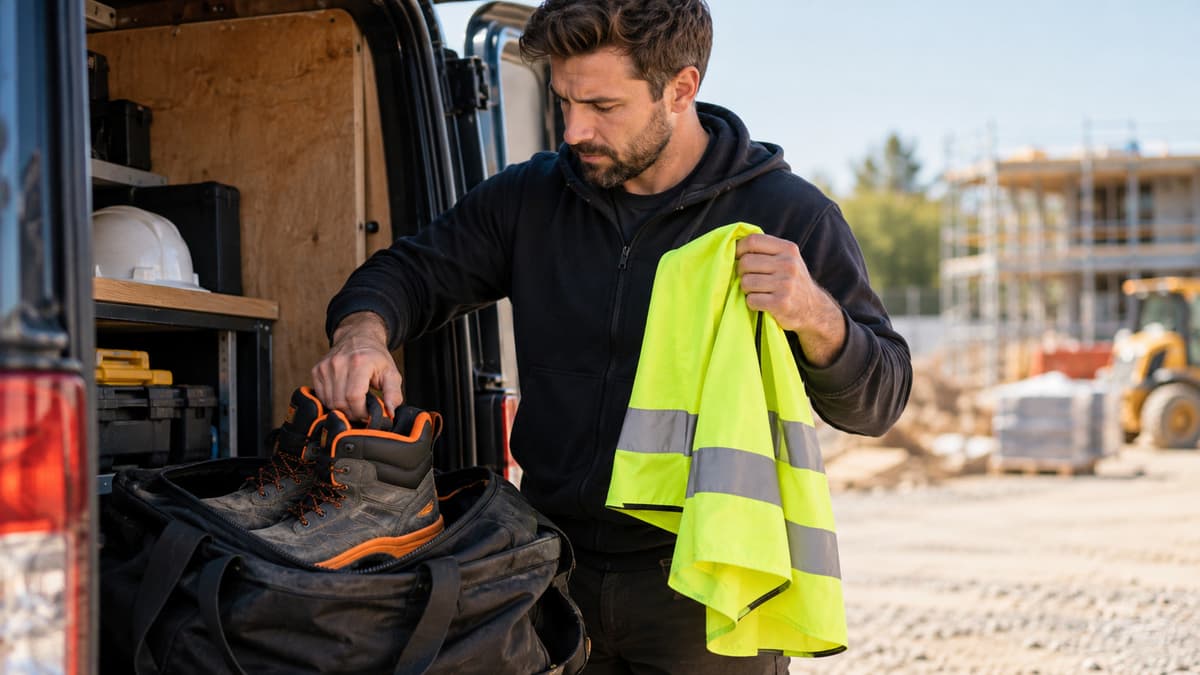
A hi-vis vest and safety boots are two pieces of PPE. EN ISO 20345 does not cover high visibility, because clothing and site dirt hide the shoe on site.
On this page
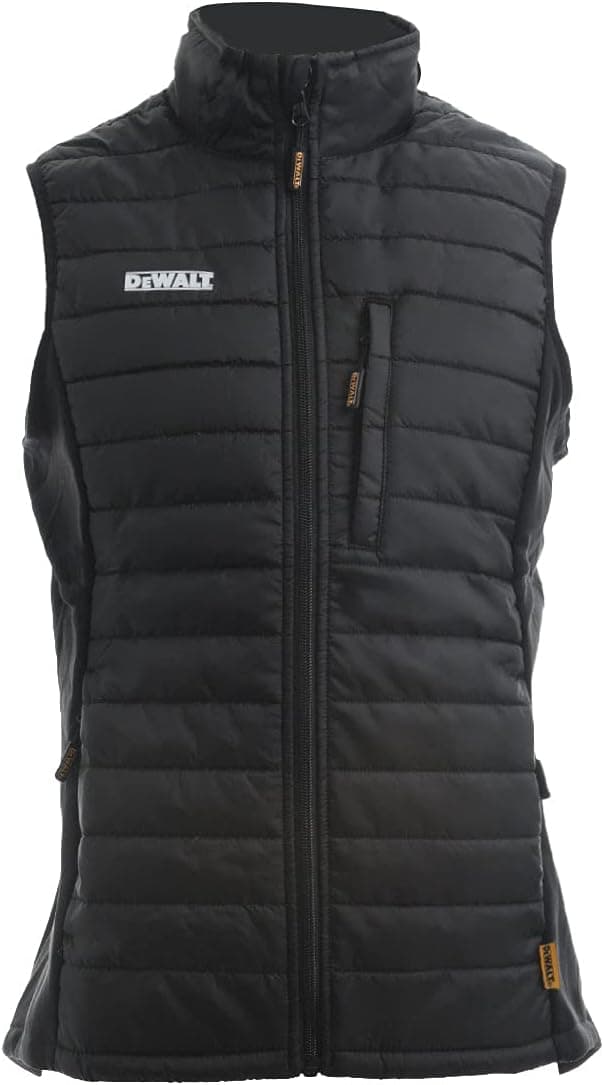
You are packing for a site day: boots in the bag, and a question about whether a bright pair means you can leave the vest in the van. A hi-vis vest and safety boots are two pieces of PPE. The footwear standard does not cover high visibility, because clothing and site dirt hide the shoe. The vest is the visibility item. The boot is the foot item.
None of the seven Albatros titles in this comparison claims a hi-vis marking. A yellow or orange shoe is still not a vest.
In short
Safety boots and a hi-vis vest answer different hazards. EN ISO 20345 does not include high visibility, because trousers and dirt cover the shoe. Wear the foot class the assessment names, and wear the vest the assessment names. These Albatros listings do not claim hi-vis. Dungarees substitute for a vest only when that garment's own marking and the site rule say so.
Two pieces of PPE
HSE's PPE overview lists high-visibility clothing and safety footwear as separate examples of PPE. Both are supplied when the assessment shows they are needed. Neither one does the other's job. A kit list that dumps boots, a vest and gloves into one basket is a packing list. It is not a standard, and it is not evidence that a bright boot has been accepted as the visibility control.
On a building site, HSE's construction FAQ expects protective footwear, and it treats head protection as its own point on the same page. Feet get footwear matched to crushing, puncture, slip or water. Being seen gets clothing matched to that risk. The induction that says "boots and hi-vis" is naming two lines, even when it uses one sentence.
Work vest and safety shoes turn up in the same trolley because people buy them on the same morning. Buy them as two decisions. The shoe decision is the class code, the fit and the floor. The vest decision is whatever the site has specified for being seen, read from the vest's own label. Those markings belong on the work vest comparison, from that page's sources, not from a footwear file.
If you only need one of them, the assessment should say so. A workshop with no vehicle movement may require boots and not a vest. Do not leave the vest behind because the boots look loud.
Why the footwear standard leaves visibility out
The BSI record for BS EN ISO 20345:2022+A1:2024 is general-purpose safety footwear, and it states that the standard does not cover high visibility. Clothing covers the shoe, and site dirt covers what clothing does not. A reflective heel under a trouser cuff is not a surface someone at a distance can use. Searching for EN ISO 20345 high visibility does not put visibility into the standard.
HSE's page on using the right type of PPE selects footwear for the foot hazards. Falling objects, penetration, slips, cold, wet, molten metal and electricity are the reasons to specify a boot. Being seen by a driver is absent, because it is not a property of the sole or the toe cap. A correct S3 shoe can still be invisible in a trench with mud on the leather.
A muddy boot cannot cancel a vest, and a clean boot cannot replace one. The vest is doing a job the boot was excluded from. This page does not set a wash test and does not name a visibility class.
A yellow boot remains useful for finding your own pair in a drying room. That is housekeeping. It is not PPE for traffic.
If the site has asked for high-visibility footwear in its own rules, follow the site rule and still do not assume EN ISO 20345 has grown a visibility clause. Ask what marking they want to see. If they cannot name one, they may be asking for a colour, which is not the same document as the BSI scope.
What the site assessment is matching
The assessment matches hazards to controls. Plant, reversing vehicles and a shared gate are reasons high-visibility clothing enters the list. A toe risk, a nail, a wet dock or a slip film are reasons footwear enters the list. You can have both on the same day, and you then wear both. The mistake is to let the item already in the bag stand in for the other.
Safety boots on a building site are the expected footwear in HSE's construction FAQ, supplied by the employer. Check the boot by the letter the induction prints, S1P, S3 or another code. S1P or S3 is that package, and nothing in it is a visibility class.
The employer supplies both when both are required, free of charge, including replacement when the item no longer does the job. Who pays for safety boots uses that same PPE duty. A spare pair for the van, or an extra vest the assessment does not ask for, is your cost.
Head protection, gloves and hearing protection stay on their own lines if the assessment names them. Site PPE kit is a list. Do not merge those lines into the shoe.
These boots do not claim hi-vis
The seven Albatros amazon.co.uk titles in this comparison were checked for a hi-vis marking. None prints one. Clifton Low, B08XN4CB9Y, at £55.14, prints S3 SRC, a fibreglass toe and a metal-free claim, rated 4.4 from 130 ratings. It does not print a visibility claim.
The Ultratrail mid boot prints S3 and ESD. Ultimate Impulse prints S1P and ESD. The £31.25 shoe prints a long foot code, including ESD and HRO. Aer55 and Ultratrail Low print no class. Adding "hi-vis" to any of those titles would be an invention. Do not add it because the photo has a pale heel or a coloured stitch.
Colour on a listing is not a standard. Clifton's black and red, the olive on the Ultratrail mid and on Ultimate Impulse, and the grey leather on Ultratrail Low are colour descriptions. They are not a reason to skip the vest. A bright aftermarket lace does not change the title.
Choose the boot for the foot. The Albatros comparison is the grid of class, toe and price. Take the vest question to the vest comparison even when you buy both on the same day. A photo of a model in a vest and boots is an outfit, not a test that either item meets the other's specification.
Where to compare the vest, the shoes, and the dungarees
Use three pages, for three products. Vest claims are listed on the work vest comparison. This article does not state class 1, class 2 or class 3 requirements, because those numbers were not taken from a vest source here. Open that page and read the marking it actually supports.
The Albatros page is the shoes. Work dungarees are the bib and brace question. Dungarees substitute for a vest only when the assessment and that garment's own marking say they do the visibility job. Ordinary dungarees plus yellow boots do not add up to a vest. High-visibility dungarees, where the label supports it, are still clothing. They do not become safety footwear.
A full kit may include all three, and each item still has to earn its place. Pack the vest the site named, the boots whose title matches the foot code, and the dungarees only if they are the garment required. If the induction says "hi-vis vest", a bib the site has not accepted is a conversation for the gate.
These points come from HSE's PPE overview, HSE's construction FAQ, HSE's page on choosing footwear for foot hazards, and the BSI record for BS EN ISO 20345:2022+A1:2024. The absence of a hi-vis claim is from the seven Albatros titles.
Products Compared did not test a vest or a boot for visibility. A qualifying purchase through a comparison link can earn us a commission at no extra cost to you. The commission does not make a boot into a vest.
Common questions
Do my safety boots need to be hi-vis?
If the boots are bright, do I still need a vest?
What standard covers the boots, and what covers the vest?
Does EN ISO 20345 include visibility?
Who supplies the vest and the boots?
Can muddy boots cancel a vest?
Where do I compare vests, and where do I compare Albatros shoes?
Are work dungarees a substitute for a vest?

Products Compared publishes British-English buying guides based on amazon.co.uk listings and public UK sources. We do not run a lab and we do not invent test scores.
Related articles
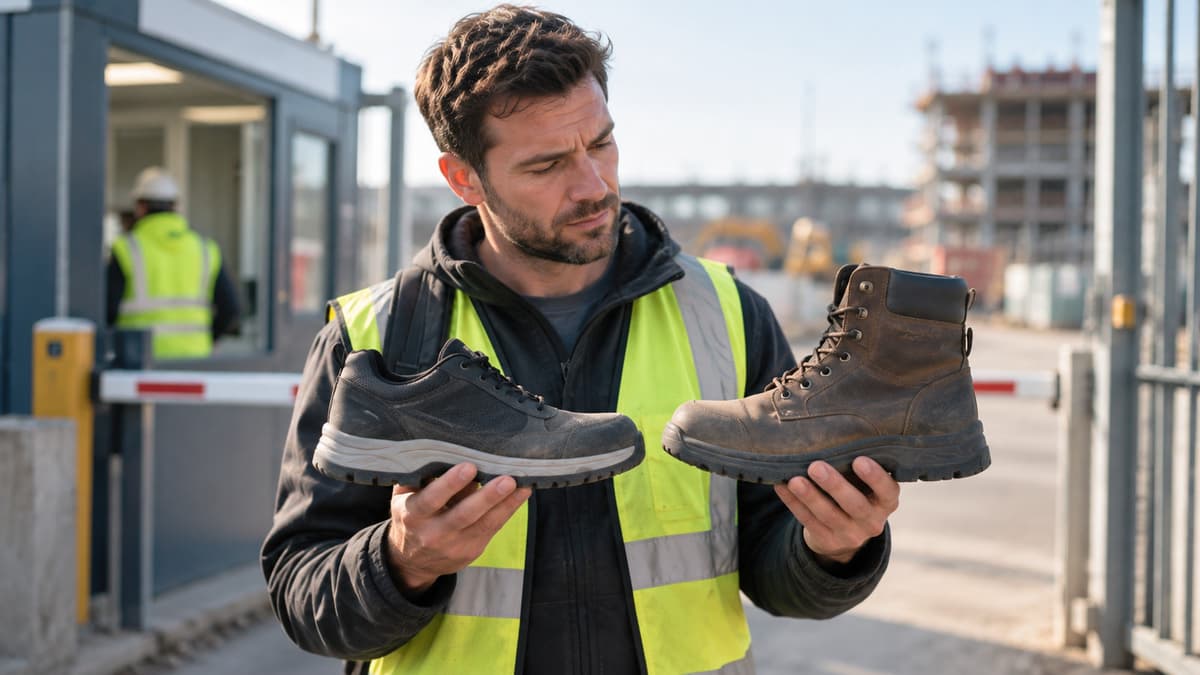
S1P or S3 on a UK site
The boot's letters cover the foot hazards. They do not include a high-visibility class.

Who pays for safety boots in the UK
Required boots and a required vest are both supplied free of charge. A spare colour is yours.

Safety shoes for warehouse floors
Start with the floor and the class code. A bright trainer still does not replace a vest.