Mulching mower or grass box: which should you choose?
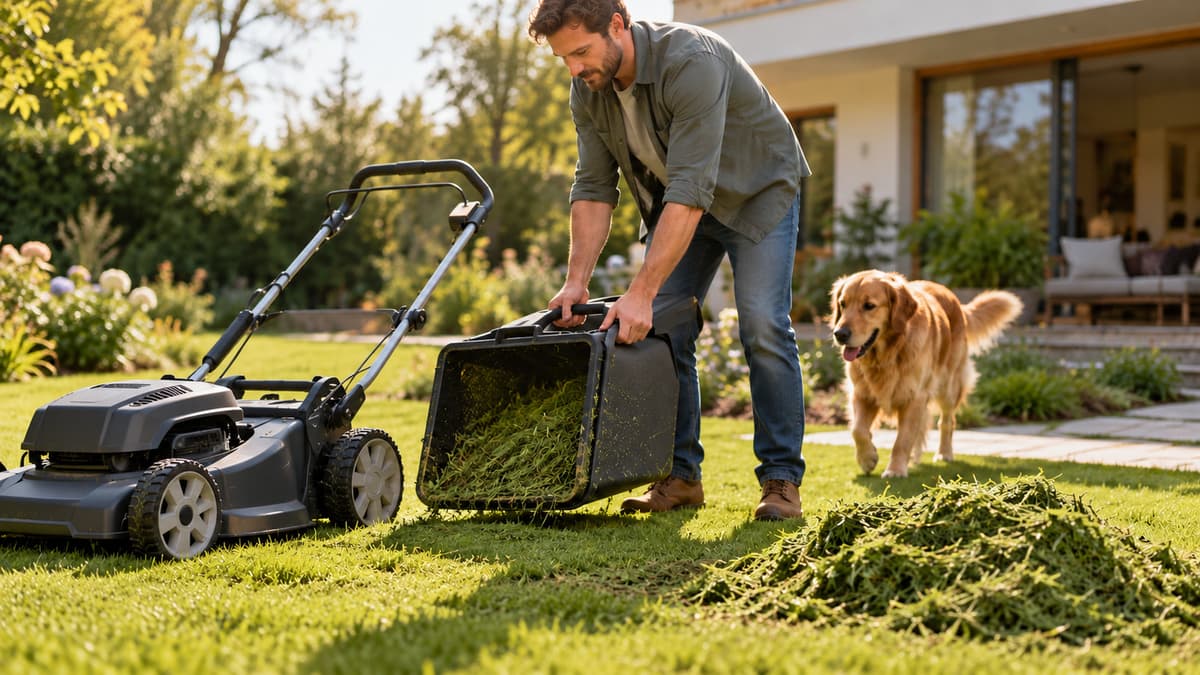
Compare mulching with grass collection on UK lawns, learn when each method works best, and choose the right mower setup for your routine, weather and finish.
On this page
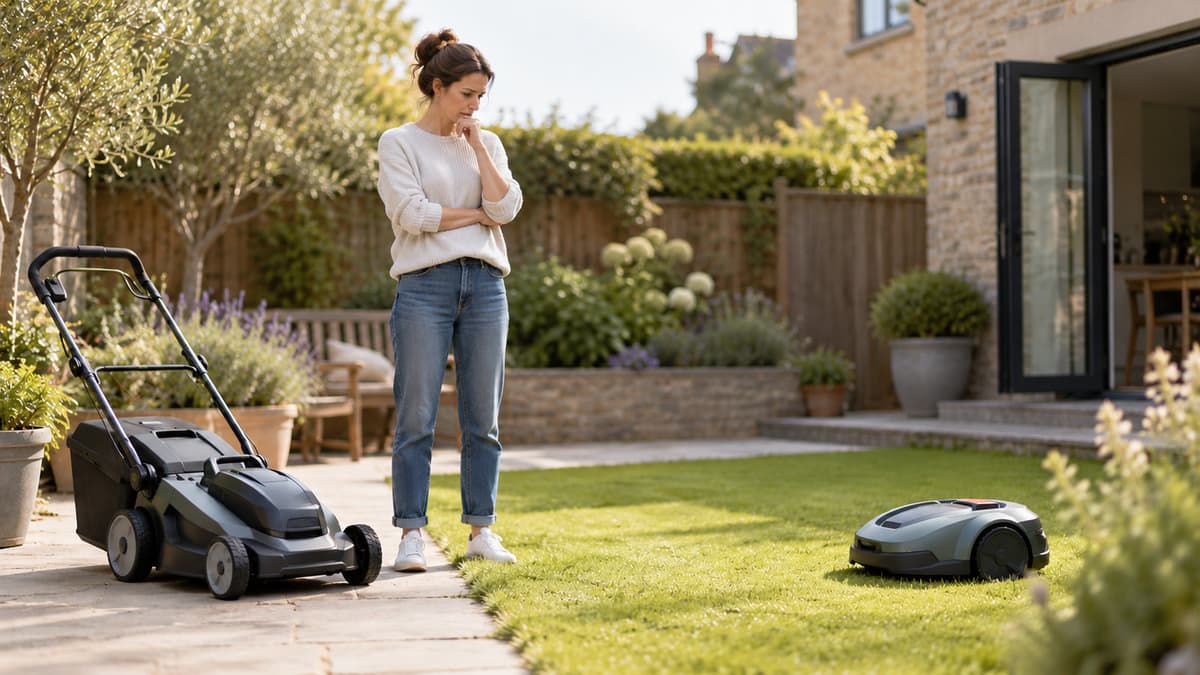
You are halfway across the lawn when the grass box fills again, yet removing it seems likely to leave clippings on shoes, paths and paws. Choosing a mulching mower or grass box is really a choice between two mowing routines. Mulching rewards short, dry grass and frequent cuts; collecting is more forgiving when growth is longer, damp or untidy.
In short
Choose a grass box if you mow irregularly, want a visibly clean finish or often tackle longer growth. Choose mulching if you can cut little and often while the grass is dry enough for tiny clippings to disappear into the sward. Neither method wins in every British garden, and the mower's actual specification matters more than the name on its range.
What mulching and collecting actually do
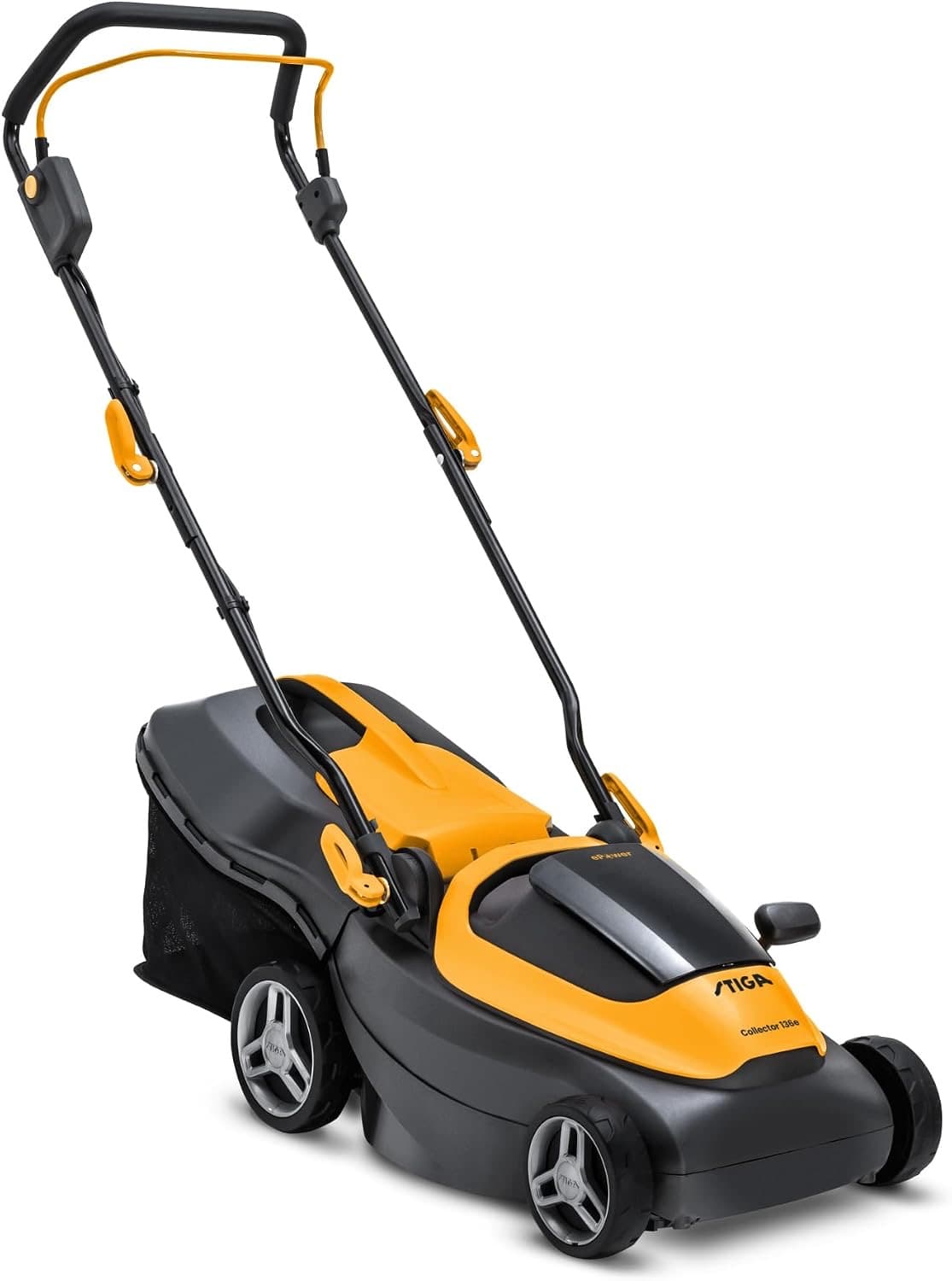
A collecting mower lifts and cuts the grass, then directs the clippings into a box or bag. You empty that container as it fills, leaving less loose material behind. The method is easy to understand and gives you somewhere definite to put leaves, seed heads and a heavier first cut, although a full box adds weight and interrupts the job.
A purpose-designed mulching mower keeps clippings moving within the deck so that they are cut more finely before falling back onto the lawn. When those pieces are small and evenly scattered, they settle between standing blades rather than sitting as obvious rows. You avoid emptying a box, but the result depends on conditions rather than simply on fitting or removing a container.
That distinction matters when comparing specifications. A mower with a fabric collector is still collecting, while the word hybrid may describe the bag's rigid and textile construction — not a switch between collection and mulching. A conventional collector fitted with an optional plug can help, but it may not circulate clippings as effectively as a deck designed around mulching. The right question is whether your mower can process the volume you are cutting and whether the pieces will disperse cleanly.
When a grass box is the better tool
Collection is the safer choice when the lawn has got ahead of you. If you usually mow once a fortnight during fast spring growth, the mower may remove far more material than a mulching deck can hide. Bagging that first substantial cut prevents ropes of long grass from lying on the surface and saves you from raking after mowing.
It also suits a garden where appearance immediately after the cut matters. A box removes most visible debris, which helps beside a patio, children's play area or frequently used path. Wet weather pushes the decision towards collection too: damp clippings stick together and clog the underside of the mower. If mowing cannot wait, raise the cutting height, take a narrower pass and empty the box before it is packed solid.
There are limits. A 30- or 35-litre collector on a compact mower can fill quickly in lush grass, and each trip to the compost area adds time. Collected material still needs a destination: add modest quantities to home compost with dry leaves or woody prunings, check any lawn-treatment instructions before composting treated clippings, and separate material if you are concerned about disease or mature weed seeds.
When mulching is the better tool
Mulching works best as a routine, not as a rescue operation. The mower removes a small amount from each blade, reduces it further inside the deck and spreads it across the area you have just cut. With no box to empty, you can keep moving and avoid transporting bags of grass through the garden.
The practical requirement is frequency. During strong growth, that may mean mowing several times a week rather than waiting for a free fortnightly afternoon. Robot mowers take this logic further: descriptions that refer to daily mulching assume repeated, very light trims. Their lack of a grass box is part of the operating method, not a missing accessory.
Dryness is just as important. Fine dry clippings separate and settle more readily, whereas wet pieces bind into dark clumps. Mulching does not remove leaves, seed heads or other debris, nor does it guarantee an immaculate striped finish immediately after mowing. If convenience and a closed on-lawn routine matter more than taking every visible clipping away, compare models in the STIGA lawn mower guide while checking each individual cutting method. If you can pick up a matted layer or see rows from several metres away, collect or rake before it shades the grass beneath.
How weather and cutting frequency change the answer
British weather can turn a sound mulching plan into a collection day. After a warm, wet week, grass may be both lush and surface-damp, even if the lawn looked manageable at the previous cut. Inspect how much height you will remove and whether the blades feel dry, not just the date on the calendar.
For an overdue lawn, begin with the deck set higher than your eventual finish. Collect the first cut, then lower the setting gradually on later visits rather than scalping the lawn in one session. Once-a-fortnight mowing generally favours a grass box during peak growth; a little-and-often routine can favour mulching, provided the mower and deck are intended for it. Your layout matters as well: narrow passages and beds that interrupt mowing can make repeated box-emptying irritating, while a small lawn beside pale paving may expose every stray clump. For compact collecting options, the Yard Force lawn mower comparison and Wolf Garden lawn mower comparison provide other starting points — always verify the exact model's included equipment.
What the STIGA listings actually say
The model-level wording prevents a common buying mistake. The STIGA Collector 136e listing describes a 35-litre hybrid grass bag. Here, hybrid refers to the collector: a plastic upper section and textile lower section. It is not evidence of a mulch plug, a second cutting mode or the ability to return finely cut grass to the lawn.
Another compact collector in the comparison material is shown with a 30-litre box. That capacity gives you a useful clue about handling, but it does not tell you how quickly the box will fill in your garden. Several robot listings use language around daily mulching — a fundamentally different routine from taking a collector out every week or two. The robot repeatedly removes tiny amounts and leaves them in place; it does not follow that every STIGA mower mulches, or that a robot will tidy an overgrown lawn without preparation.
The A 4 material does not provide a clipping-management detail in the available comparison display. Treat that as unknown, not as permission to infer a box or mulching system from the family name. When a listing is silent, check the manufacturer's exact product page and included-equipment list before buying. Match the full model number, then look for explicit terms such as collection, mulching, rear discharge and an included mulch plug. A product photograph alone is not reliable evidence of what arrives in the box.
A practical way to choose
Start with your real mowing interval, not the routine you hope to adopt. If work, weather or travel regularly stretches the gap to two weeks, collection gives you more tolerance. If you already enjoy frequent short cuts, a proper mulching setup can remove the least pleasant part of the job: stopping to empty the box.
Next, assess the lawn at mowing time. Choose collection when the grass is long, wet, carrying seed heads or covered with light debris. Consider mulching when it is short, reasonably dry and free of material that you actually want removed. Finally, check the machine rather than assuming: confirm whether the mower is designed to mulch, whether the necessary plug or blade is supplied, and whether changing modes is practical. If you are still undecided, collect the first heavy spring cuts and any damp or overdue growth, then move to mulching during stable periods when you can maintain a frequent schedule. The best method is the one that matches today's grass, not a permanent allegiance.
Common questions
Should I leave grass clippings on the lawn?
What happens if I mulch long grass?
Does the STIGA Collector 136e mulch?
Do robot lawn mowers have a grass box?
Can I mulch wet grass?
Is a hybrid grass bag the same as mulching?
Can collected grass go in the compost?
Is mulching or collecting quicker?

Peter F. is the editor for DIY & tools at productscompared.co.uk. Comparisons in this category are checked against amazon.co.uk listings, review evidence and public UK sources.
Related articles
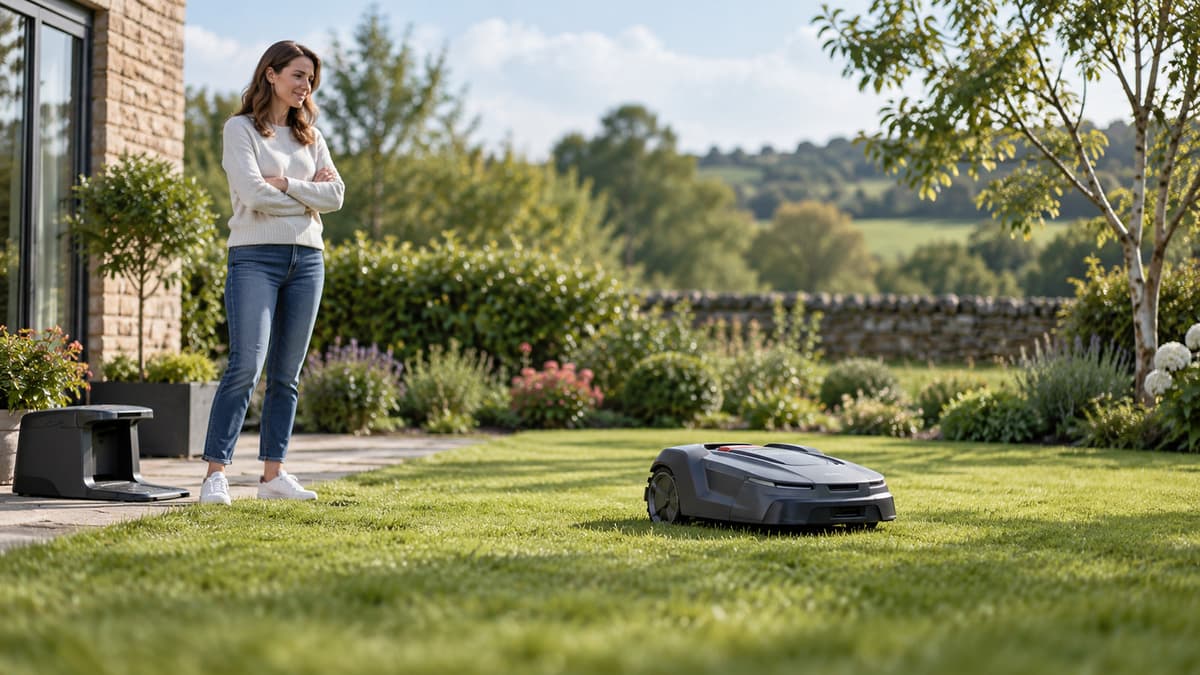
How often should a robot lawn mower run in the UK?
Little and often in active growth, then less often as the grass slows.
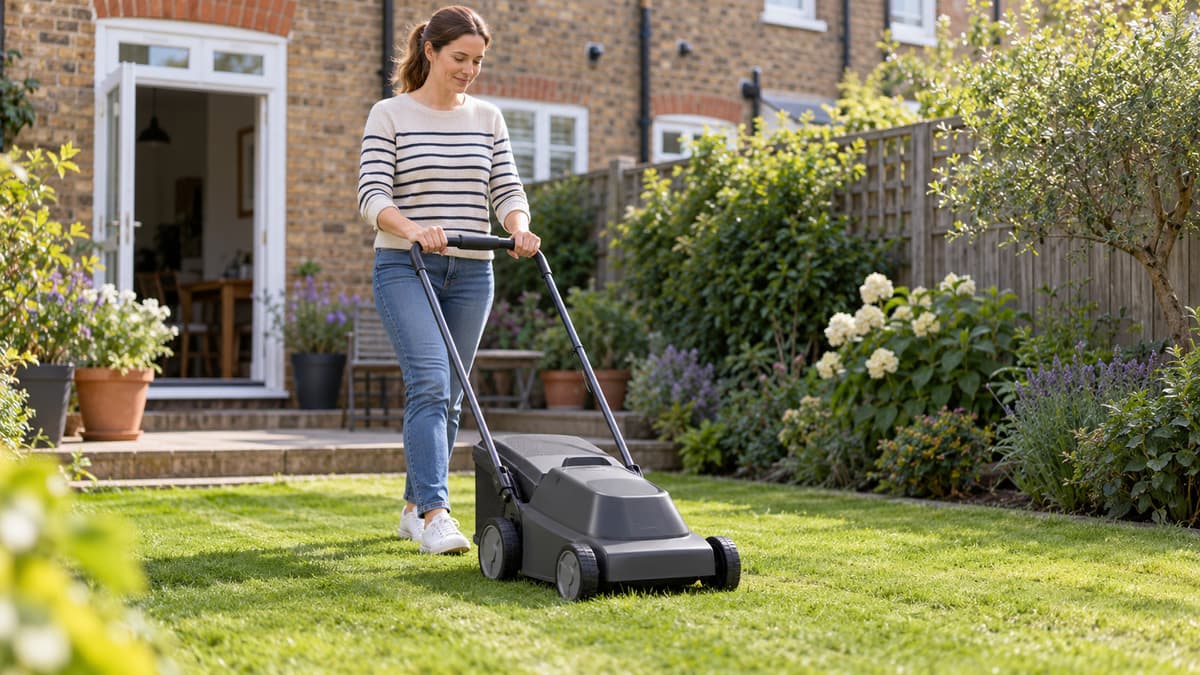
Best mower for a small garden UK: choose the right size
Match a compact collector or a robot to the grass you measured, not to the largest stated area.
Is a robot mower worth it for a small garden?
A tiny lawn, long grass or nowhere safe to charge can make a robot a poor buy.