How often should a robot lawn mower run in the UK?
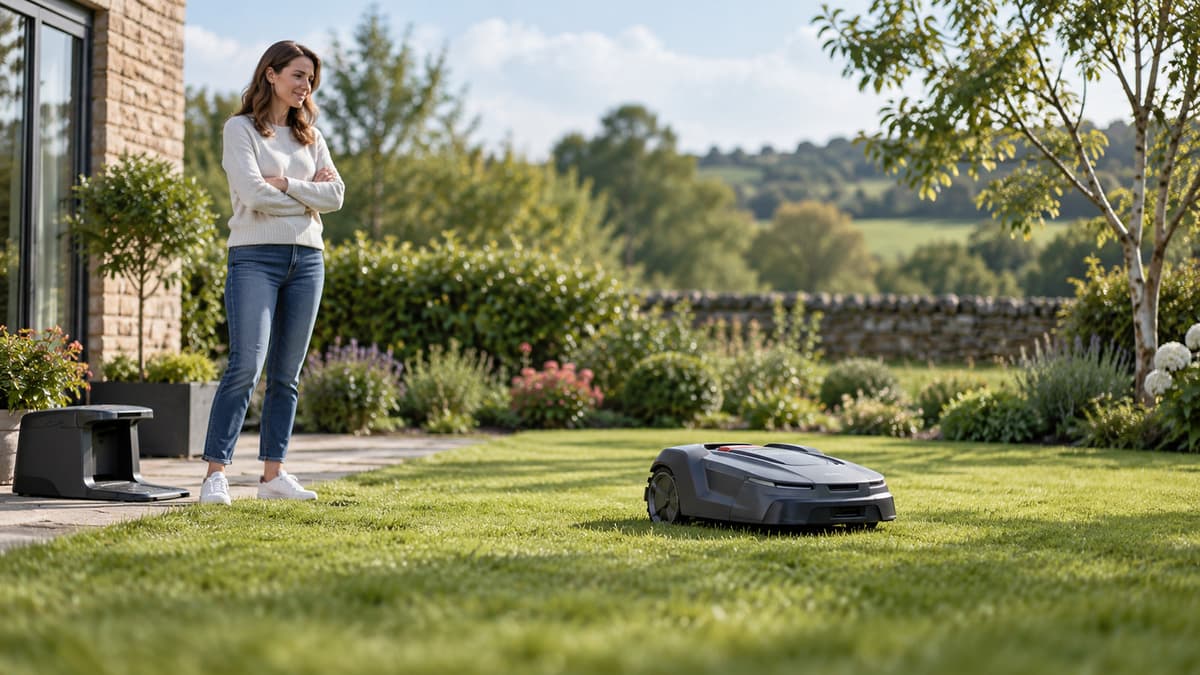
Set how often a robot lawn mower should run on a British lawn: a daytime trial, when twice a day helps, and how rain, wildlife and winter change it.
On this page
Your mower can leave its dock every day, but that does not mean it should circle the lawn for every available hour. How often should a robot lawn mower run? For many gardens the useful answer is little and often during active growth, then less often as growth slows. Use the shortest schedule that keeps the grass even without disturbing wildlife, neighbours or waterlogged ground.
In short
Start with one daytime session on three to five days each week, then judge the result after seven to fourteen days. Increase the frequency during fast growth or if the mower leaves uneven areas. Reduce it when the lawn stays tidy, growth slows, or the wheels begin wearing tracks.
Little and often beats a weekly cut
A robot mower is not meant to imitate a long weekly cut. It takes small tips and leaves fine clippings on the lawn, which are less noticeable than the rows left after a week of growth. A frequent schedule can therefore look neater even though each pass removes little. Whether those clippings should stay down is covered in mulching or collecting grass.
A regular schedule also keeps the robot inside its working and charging time. Grass left too long on the next run can leave visible clippings, missed tufts and a deck that needs more cleaning. A useful boundary is the one-third principle: avoid removing more than roughly one third of the blade height in one go.
Daily running is not automatically better. A compact, open lawn may need only three or four sessions a week, while narrow passages, trees and several zones may need a window on most days. The printed area figure is a capacity guide. Slopes, obstacles and charging stops change how quickly your lawn is covered. If a small lawn barely needs the machine, when not to buy a robot mower is the more useful question.
Judge the finish, not the hours. An even surface without clumps of clippings means the schedule is doing its job. If the mower keeps crossing grass that barely needs cutting, drop a day rather than adding wheel traffic.
Build a schedule for your lawn
Three to five daytime sessions a week is a practical trial, not a universal prescription. eufy presents three to five as its own starting guidance, while other manufacturers recommend different patterns. Keep the trial going for at least a week. One dry afternoon does not show how the mower copes with growth, charging and every part of the garden.
- Set the cutting height for the grass and the season before you change the frequency. Extra hours will not rescue a setting that is already too low.
- Choose a daytime window when the grass is normally dry and the garden is quiet. Clear toys, hosepipes, fallen fruit and small branches first.
- Check at the same time each day for missed strips, tufts, clumps and wheel marks, and for exits or zones the mower is missing.
- Change one variable at a time. Add a day or extend the window, then wait several runs before you judge it.
- Once the finish stays even, take unnecessary time away in small steps.
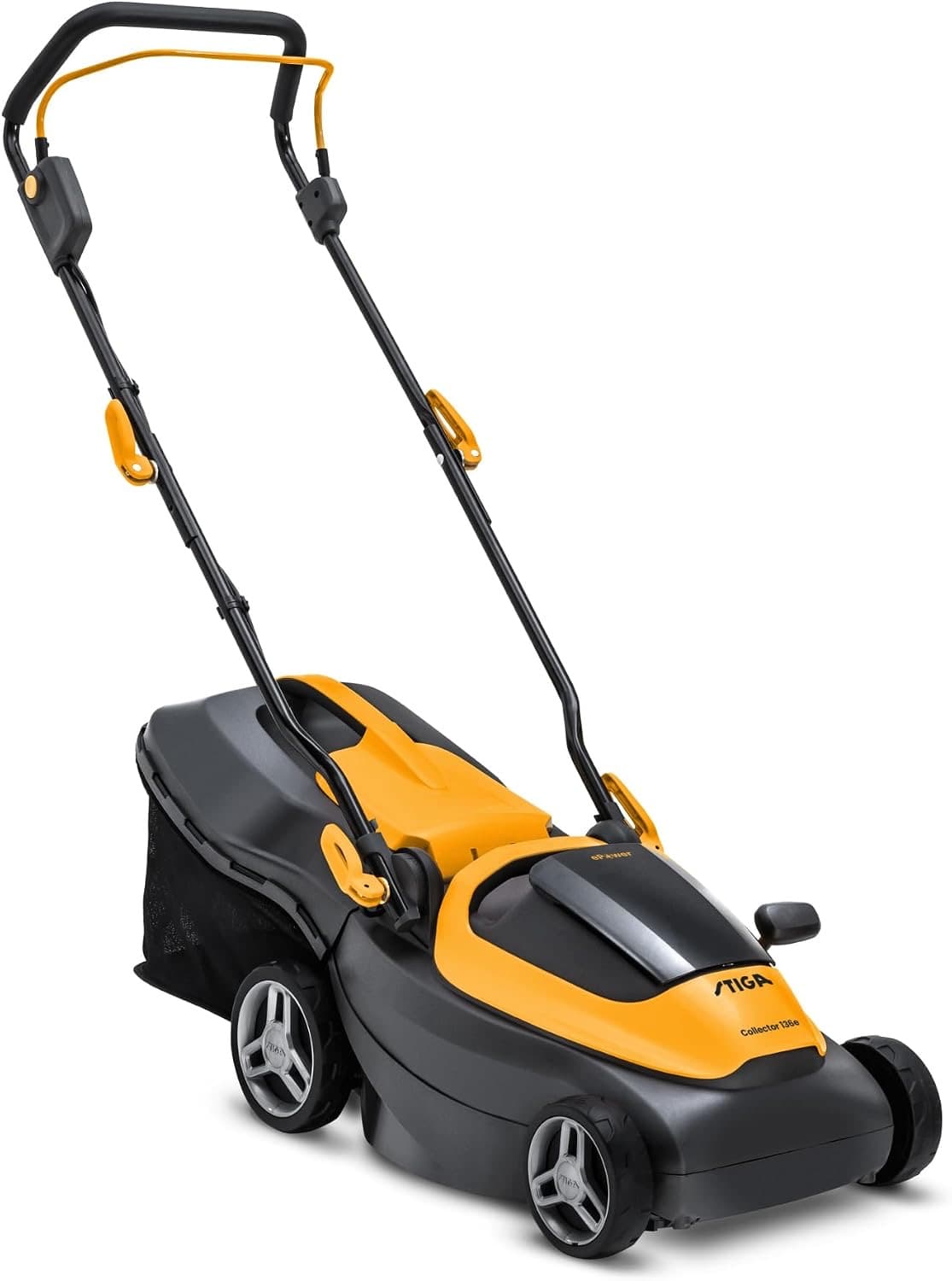
Fast spring growth, fresh fertiliser and warm, damp weather can justify daily mowing. After a dry spell, two or three sessions a week may be enough, with the height raised so the grass is not stressed. If the lawn is beyond the robot's maintenance height, take the first cut with a conventional mower. The top pick in the STIGA lawn mower comparison is the Collector 136e Kit at about £199, with 4.4 from 264 amazon.co.uk reviews: a hand-propelled 34 cm mower rated to 300 m², not a robot.
A random pattern may need a broad window on an irregular lawn, while systematic navigation can make coverage more predictable. Neither gives a guaranteed minutes-per-square-metre figure. Compare Worx robot lawn mowers for a different navigation method, then follow the manual for the mower you own.
When twice a day makes sense
STIGA tells owners of its robot mowers to schedule two sessions a day with at least five hours between them. That is advice for STIGA's system, not a British rule and not a setting to copy into another brand's app. ECOVACS describes intervals of every one to three days, while eufy starts at three to five times a week. No single number fits every machine and lawn.
Two shorter sessions can suit a lawn that needs a long daily window. The gap allows a recharge and lets dew clear, and it can fit around the hours you use the garden. A morning session and a later-afternoon session are easier to supervise than a run that continues into dusk.
Two sessions do not mean two complete cuts. Coverage may build across several outings, especially with a random pattern. On a small lawn the second session may add little except traffic. Watch for polished tracks near the dock and a mower that returns with capacity unused. An app suggestion cannot judge a wet patch, a playtime or a neighbour's window. Treat it as a first setting, then move it if the garden says otherwise.
Daylight, wet grass and neighbours
Daylight is the best default. Hedgehogs are mainly active after dusk, and a small animal may curl up rather than escape. Sensors reduce some collisions, but they are not a guarantee. Check the lawn before each window, avoid dusk-to-dawn mowing, and keep wildlife-friendly margins outside the cutting area.
Early morning is not always better than night. Dew can stick clippings under the deck and let wheels mark soft soil. STIGA's guidance warns owners to consider dew and late-evening wildlife. Use a rain delay if the machine has one, then still check the ground after heavy rain. Weather resistance does not stop wheels rutting saturated soil.
Robot mowers are usually quieter than petrol machines, but motors, blades, wheels and the docking routine are not silent. There is no single UK-wide law that sets a start time for every mower. Under the Environmental Protection Act 1990, a council can investigate noise that amounts to a statutory nuisance, so a manual that permits overnight running does not settle what is reasonable beside neighbouring homes. The practical limits are in lawn mower noise rules.
Avoid early mornings, late evenings and times when neighbours need quiet. If the station sits on a boundary, move the docking noise away where the installation rules allow. Stop if the mower slips, tears the surface or packs wet clippings around the blades. Isolate it as the manual describes, wear gloves, and never reach under a machine that could start. Resume with a shorter daytime run once the lawn is only damp, and keep it parked while children, pets or loose cables are in the way.
Adjust the schedule with the seasons
Spring needs the most adjustment. Start higher when growth returns, mow on several dry days each week, and move to daily running only if the robot falls behind. A larger or divided lawn may need two daily sessions in late spring if the manufacturer supports that pattern.
In summer, follow the grass rather than the calendar. Warm, moist weather can keep growth quick, but in a dry spell raise the height and cut less often. Extra passes over scorched turf will not improve it.
Autumn brings slower growth, wetter ground and more debris. Reduce the schedule, clear leaves and twigs first, and stop using routes that have gone soft. Hidden debris can damage a blade even when the grass looks short.
In a typical British winter, growth becomes too slow for routine robotic mowing. Cancel the schedule rather than leaving the app to send the machine onto frost or saturated soil. Clean it and follow the manual for battery charge, storage temperature and whether the station stays outside.
When growth returns, do not restore the longest summer timetable at once. Check the boundary, station, blades and wheels, clear winter debris, and start with one supervised daytime session.
Common questions
A useful schedule is one you can explain from the lawn in front of you. Daily or twice-daily mowing is justified only when growth and coverage demand it. Dry-enough ground, daylight and considerate hours matter more than a timetable copied from another garden. Change one setting at a time, and let the lawn tell you whether another run is needed.
Common questions
Should a robot lawn mower run every day?
Should a robot mower run twice a day?
Can a robot lawn mower run at 6am?
Is it safe to run a robot mower at night?
Can a robot mower cut wet grass?
What should I do with a robot mower in winter?
Does a larger area rating mean the mower needs fewer hours?
Where do I change the schedule on a STIGA robot mower?

Peter F. is the editor for DIY & tools at productscompared.co.uk. Comparisons in this category are checked against amazon.co.uk listings, review evidence and public UK sources.
Related articles
When can I mow the lawn UK? Noise rules explained
There is no single UK-wide clock that makes mowing lawful after one hour and unlawful before it.
Mulching mower or grass box: which should you choose?
Mulching suits short, dry grass and frequent cuts; collecting is more forgiving when growth is longer or damp.
Is a robot mower worth it for a small garden?
A robot is less convincing when the lawn is tiny, often overgrown, or hard to charge safely.