Condensation on cold walls: what to check before a heater

Condensation on cold walls is indoor moisture meeting a cold surface. Ventilate, clear the corner, and rule out a leak before you buy another heater this week.
On this page
You wipe the bedroom corner and the cloth comes away grey. The middle of the room felt fine. The coldest paint is behind the wardrobe, on the outside wall. That film is condensation on cold walls, and a small panel on amazon.co.uk is an easy thing to hope will reverse it.
Moisture lands on a surface that has gone cold. Warming that surface can slow the next film. The moisture from showers, cooking, or sleep with the vents shut is still in the house, and a leak is still a leak. Deal with the air and the source, then decide whether you still want a heater.
In short
Condensation on cold walls is indoor moisture meeting a cold surface, often in a corner or behind furniture. Keep trickle vents open, run the extractor, and give the wall air before you buy another appliance. A small panel can take the chill off a patch, and it is not a survey for mould or for a leak.
Cold wall condensation starts on the coldest surface
The Centre for Sustainable Energy puts it plainly: moisture in the air, a cold surface, and too little ventilation or insulation to keep them apart. You see the water first where the wall is coldest. An outside corner loses heat through two faces, so the plaster sits colder than the wall by the landing. The middle of the room can feel fine because you have not touched that cold face.
Cold-corner bedroom condensation is the night-time version. You breathe out moisture for hours with the door shut. If the trickle vent is closed, that moisture stays and drops out on the corner, the glass, and the wall the bed has covered. In the morning the duvet is dry and the corner is not.
A heater in the middle of the room only warms the patch it reaches. Warmer air also holds more vapour. Heat the room, leave the wet air inside, and the corner can still collect water after the heating clicks off. A plug-in panel is not insulation. Line a wall that is still wet from rain, and you trap the water behind the new layer.
What the beads are telling you
Beads on the paint, mist on the glass, and a grey bloom in the corner are the same event. The glass usually shows first. Black spotting on the silicone means the water has sat long enough for mould. Shelter's order is to clear what you can see, change the air, and not treat the cloth as the repair. If a patch stays wet in a warm week, or darkens after rain, check for a leak before you buy a panel.
Damp and mould ventilation comes before a new heater
The GOV.UK existing-home ventilation guide asks you to leave trickle vents open. It names showers and cooking as moisture you already make. Breathing, and clothes dried on a radiator, add to that load. A warmer wall does not cancel it. A fan that sends the wet air outside does, and so does the short window opening Shelter recommends.
Run the bathroom extractor while you shower and leave it on until the mirror has cleared. If the fan is silent, or the duct never reaches outside, hold a tissue to the grille. If it does not pull, you are moving steam around the flat. A warmer bathroom will not replace that fan.
A heated towel rail warms towels. It does not extract air. The models in our towel radiator comparison are a fair buy when you want dry towels, and the wrong buy when the fan over the bath has failed. Dry washing in the bedroom loads the cold corner.
Trickle vents on an older house
Trickle vents are the slots in the head of many modern windows. Leave them open so a little air keeps moving. Tape, or a slot painted shut, and the cold wall does the condensing. SPAB's note is about old buildings where ventilation has been blocked. A 50 W panel does not reopen that air path. You can still heat the room with the vents open.
What a 50 W anti-mould panel can and cannot do
The panel in the infrared set is the INGRIKT 50 W, model PH-ET03H, listed at £39.99. The listing presents it as help with condensation, claims IP44, has no fan, and can sit on the wall or on its feet. The stated cable is 1.52 m. Fifteen reviews, at 4.2, are a thin base, not a survey of British bedrooms.
The listing disagrees with itself on size. One line says about 1.1 cm thick and 1.45 kg. The details table says 16 cm by 50 cm by 18 cm and 1.5 kg. One reviewer reported about a 3°C rise in a mouldy corner, a draw around 50 W, and about 78°C on the surface. That note is not a lab mould result, and it does not show that the panel removes mould.
50 W is not room heat. Left on all day it uses 1.2 kWh. It cannot extract bathroom steam or dry masonry that rain is entering. IP44 is a splash claim on the listing, not a reason to put the panel in the shower. A 50W anti mould panel only warms that patch. Keep curtains and hands off the panel face. If the corner stays dry after a fortnight of ventilation, you already have the answer.
A dehumidifier is not fresh air
A dehumidifier collects water. In a shut bedroom you can see it in the tank, and that can cut what condenses on the corner. The Centre for Sustainable Energy's limit is the one to keep: the tank is not fresh air. You have not taken shower steam outdoors.
A dehumidifier vs heater decision is three jobs. One machine takes water out of the air, a room heater lifts surface temperature, and the 50 W panel only nudges one patch. None of them replaces a fan or a short window opening. Empty the tank before the unit cuts out. Buying a heater because the tank was a nuisance leaves the moisture in the house.
When the wet patch is not condensation
Condensation sits on the coldest surfaces and usually eases when you ventilate in milder weather. A stain after wind-driven rain points you at gutters, pointing, sills, or cracked render. A brown mark on a ceiling under a bath is a plumbing question. A chimney breast that stays damp may be rain in a flue, or salts in the plaster.
A tide mark low on a ground floor that stays through a warm summer is the pattern people call rising damp. A panel aimed at the skirting does not answer it. If rain changes the patch more than a shower does, or the plaster is soft, pause the purchase.
Tell a landlord if it continues after the ventilation steps, and sooner if you suspect a leak. Shelter's advice, written for social housing, is to report it, note the dates, and send photos. A plug-in heater does not turn a failed gutter into ordinary landlord mould.
What to change in the room this week
Move furniture off the outside wall. Shelter's point is a gap so air can cross the cold surface. Pull the wardrobe or the bed out until you can get a hand behind it, and leave that gap for a fortnight. If the hidden face is mouldy, wipe it, bag the cloth, and let it have air. A panel in front of the wardrobe heats the chipboard, not the wall.
Keep every trickle vent open. Use the bathroom extractor, and check with a tissue that it pulls. Open a window for a short spell after cooking and again in the morning, then shut it. Those steps cost less than the £39.99 panel. Give them two weeks.
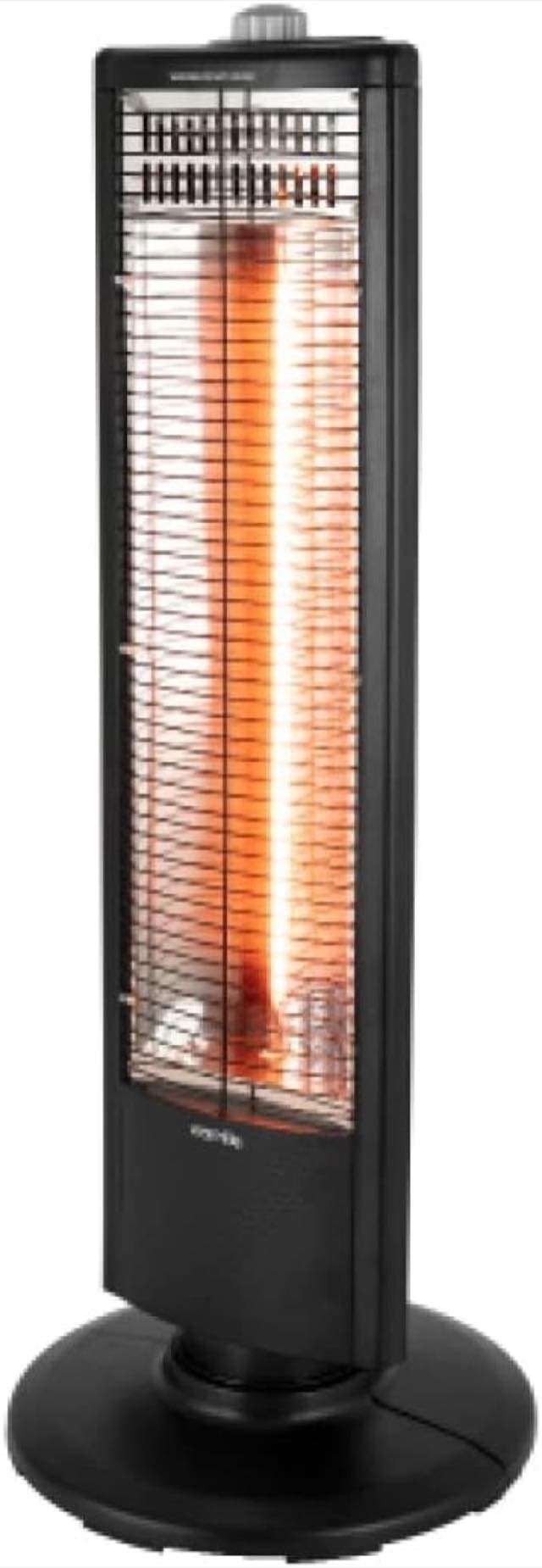
If the corner stays dry, you do not need a mould gadget. If the room is dry and you still want heat on a chair, that is a separate purchase. The top pick in our infrared heater comparison is the Warmlite WL42013, listed at £56.46, with 4.4 from 1,197 reviews, at 500 W or 1,000 W. You point it at a person. If the corner is still wet, go back to the leak checks before you compare watts.
Common questions
Why is the corner wet when the middle of the room feels fine?
Should I block the trickle vents to keep heat in?
Will a dehumidifier fix condensation on a cold wall?
Can a 50 W panel stop new mould?
How is condensation different from a leak?
Should furniture sit against an outside wall?
When do I tell a landlord about mould?
Which heater comparison matters after the moisture is down?

Products Compared publishes British-English buying guides based on amazon.co.uk listings and public UK sources. We do not run a lab and we do not invent test scores.
Related articles

What an infrared heater costs to run
Nameplate watts are not a bill until you multiply them by the unit rate you pay.
Bathroom zones before you fit an electric heater
A listing that says bathroom can still sit in the wrong zone beside a bath or shower.

A 3 kW heater and a 13 amp plug
Three kilowatts is about 13 amps, the top of a normal UK plug, and continuous use is a harder job.