Torque wrench calibration interval UK: 12 months or 5,000

The torque wrench calibration interval UK firms quote is 12 months or 5,000 cycles from first use, whichever is sooner. A crisp click can hide a drifted spring.
On this page
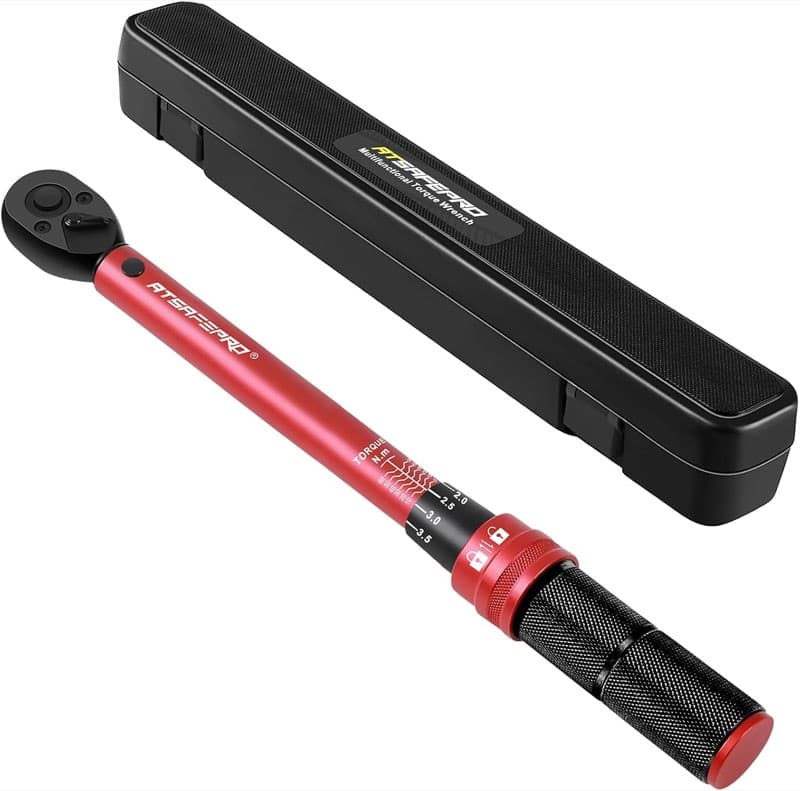
You heard the click on the last wheel bolt, or on a bike stem, and it sounded the same as last year. That snap means the mechanism has fired. The spring inside a click wrench can drift while the click stays crisp, so the fastener may sit tighter or looser than the number on the scale.
The torque wrench calibration interval UK workshops cite, when you have no procedure of your own, is 12 months or 5,000 cycles from first use, whichever comes first. That pairing is the default ISO 6789-2:2017 allows, and it is the line UK calibration firms quote. The click still needs a separate check of the newton metres.
The Products Compared editorial team used public notes from AWS Torque, DM Systems Group, the ISO 6789-2:2017 preview, and Fastener + Fixing. We did not laboratory-test a wrench or invent a UKAS fee. A qualifying purchase can earn a commission at no extra cost to you.
In short
If you have no calibration routine, take 12 months or 5,000 cycles from first use, whichever comes first. UK firms quote that BS EN ISO 6789:2017 default, and they shorten it when a wrong fastener would matter. Check again after a drop, an overload or a repair. The click can keep sounding normal after the scale has moved.
How often to calibrate a torque wrench
AWS Torque states that line as 12 months or 5,000 operations, and shortens it when a wrong fastener would matter. First use starts the year. Time in an unopened box does not count. Write the date on the case when you first set the scale and load a fastener. If that day was never noted and the tool is obviously not new, treat the check as due.
A cycle, also called an operation, is one use up to the set torque. As a rule of thumb, four or five bolts on each wheel at tyre-change time is a few dozen operations, so the twelfth month arrives long before 5,000. Clicking the same bolt again counts again. The cap binds when you rebuild often, share one wrench, or click every fastener rather than only the ones the manual specifies.
DM Systems Group weighs the error you can accept, how often the tool is used, the load you apply, and how you store it. Those factors can justify a shorter gap. A crisp feel is a weak case for stretching past 12 months. For occasional home use, the year is the limit you will usually meet.
Check sooner after a drop, overload or repair
The default assumes ordinary use. DM Systems Group says recalibrate after overload, repair, and bad handling. Those events close the previous period.
Fastener + Fixing describes a click wrench under ISO 6789 as a setting tool: further force after the signal is extra torque on the fastener and extra stress on the wrench. A breaker bar, a foot on the handle, a haul past the click, or an adjuster forced past the marked scale is overload. Stop trusting the setting until the tool has been checked.
A drop onto concrete, a steel ramp or a kerb can bend a square drive or shift the mechanism while the case still looks whole. Treat that result as finished. A light rattle inside a padded case is a judgement. A fall from bench height should keep the wrench off the next brake or suspension bolt until someone has checked it.
Brake carriers, suspension clamps, steering parts and engine fixings justify a shorter interval. If the last check was eleven months ago and the next job is a caliper bracket, use a wrench whose check is still current. A replaced spring or a new ratchet head means last year’s certificate describes a different assembly. Have the repaired wrench calibrated again.
What you can see on the bench
A few checks need no laboratory. They are a habit check. Calibration is the separate job.
Pull too fast and you overshoot the click, which Fastener + Fixing notes. Use a smooth pull, stop when the wrench signals, seat the socket fully, and leave any cheater pipe in the drawer. If the handle has a marked line, pull from that line. You still learn nothing about whether the spring matches the engraved numbers.
When the leaflet says so, run an adjustable click wrench back to the lowest setting so the spring is not left compressed. A beam wrench has no spring to unload. Unloading the spring does not restart the 12-month clock.
A loose scale, a gritty ratchet, a bent square drive or a click that has become a soft creak are reasons to stand the tool down for critical bolts. None of those signs gives the error in newton metres. A clean wrench can still read high or low.
A luggage scale is only a rough comparison. DM Systems Group cites 18–28 °C for the laboratory method, and a January garage in Britain often sits outside that band. Use a rough check only to spot a wrench that is wildly wrong before a non-critical job. When the fastener matters, use a calibration laboratory. A householder can treat UKAS accreditation as optional.
A certificate dates one test
A certificate records one test, on stated equipment, usually at a controlled temperature. Fourteen months later, with the wrench in regular use, you are outside the default interval even if the sheet is still in the lid.
The serial number, the range and the units should match the tool in your hand. A certificate for a 40–200 newton metre wrench says nothing useful about a 5–25 newton metre wrench in the same drawer. A sheet from before a repair describes the old assembly.
A calibration during the wrench’s life gives a new date to count from, if nothing on the overload list has happened since. A factory sheet is the last known test. The ISO default starts at first use, so old stock plus another year at home is a long stretch to call current.
Write the first-use date, and note whether the wrench does occasional wheels or frequent engine work. A garage that sells labour may have insurance rules that ask for a tighter schedule. At home the fastener is the reason to care: an under-tight clamp can work loose, and an over-tight bolt can stretch.
Which wrench this advice covers
The interval is for a click wrench you set on a scale. Drive size, range and listed features sit in the 3/8-inch torque wrench comparison, the Wera torque wrench comparison and the Vanpo torque wrench comparison. A comfortable handle can still be out of calibration. A beam wrench shows the load as you pull and has no spring to leave wound up.
A torque screwdriver follows the same 12-month or 5,000-operation line. AWS Torque applies it there too. Our torque screwdriver comparison is the place for that tool. Write the date on the case before the first click. A bottle cage can wait. A brake carrier should wait for a wrench you still have reason to trust.
How we prepared this guide
Where the fastener matters, a current calibration and the maker’s leaflet take priority over the default interval in this guide. Sources: AWS Torque, DM Systems Group, ISO 6789-2:2017 and Fastener + Fixing.
Common questions
How often should a click wrench be checked?
Does the year start at purchase or at first use?
What if I dropped the torque wrench?
Should I wind a click wrench back to the low setting?
Is a calibration certificate the same as a recent check?
Does this interval apply to a torque screwdriver?
Is torque wrench calibration a legal duty at home?
Which comparisons cover the wrench itself?

Products Compared publishes British-English buying guides based on amazon.co.uk listings and public UK sources. We do not run a lab and we do not invent test scores.
Related articles
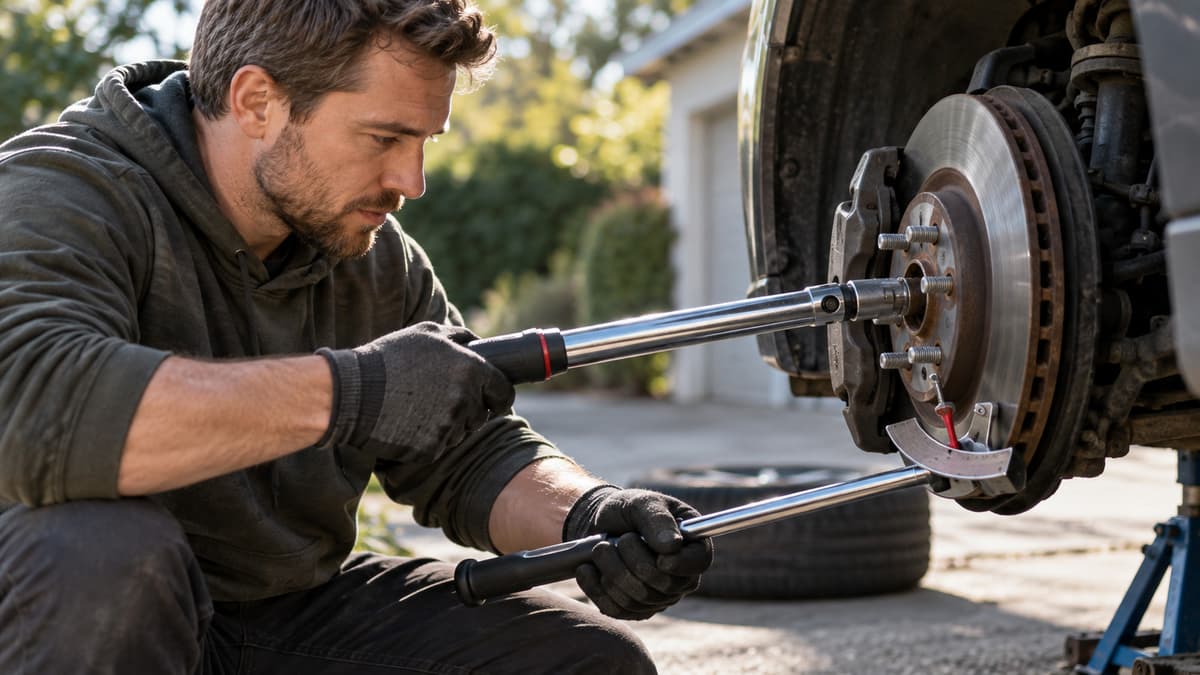
Click torque wrench or beam
A click is easy where you cannot see a scale. A beam has no spring to leave wound up, and the two fail differently.

A torque screwdriver for small screws
Below a few newton metres, feel is a poor guide. A torque screwdriver needs the same kind of interval as a click wrench.

Oil and a dry place for steel tools
Bare steel rusts in a damp British shed. A thin film and a dry cupboard do more than a heavy coat of the wrong oil.