Stop hand tools rusting UK: thin oil and a dry cupboard

Bare steel rusts in a damp British shed. Dry the tool, leave a thin film of light oil or wax, and keep it in a dry cupboard. Vegetable oil goes sticky.
On this page
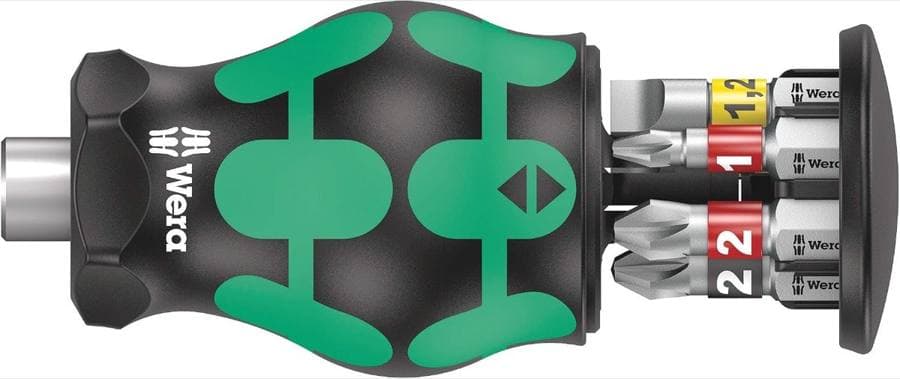
The chisel left on the shed rack in autumn has a brown bloom across the back by January, and the screwdriver shaft on the garage bench goes orange at the tip. Bare steel does that in moist air. To stop hand tools rusting in a UK shed, dry the metal, leave a thin film, and give the tool a dry cupboard. A large tin of vegetable oil is a poor long store, because that oil goes sticky as it ages.
This page is from the Products Compared editorial team. It follows public notes from Axminster Tools, Jungheinrich Profishop UK, Conservation Handbooks and a Tool Post page on vapour inhibitor for a closed box. We have not tested oils against each other. A qualifying purchase through our links can earn us a commission at no extra cost to you.
In short
Dry the steel, leave a thin film of camellia oil, tool oil or wax, and keep the tool in a dry cupboard. Vegetable oil goes sticky with age, so it is a poor film for a blade left until spring. Do not shut a damp tool in airtight plastic. Linseed belongs on a wooden handle, not on the steel.
Why a British shed rusts bare steel
An unheated shed or garage through a British winter leaves bare steel in moist air, and that is enough for rust. You see it as dull orange on a chisel back, a saw plate, a plane sole or a screwdriver shaft left on an open bench. Jungheinrich's cleaning guide says contact with air and humidity promotes corrosion, and it tells you to keep rust-prone tools out of that open air.
Drying comes before any oil. Jungheinrich says to wipe the tool dry, including corners where debris and moisture sit, and to be sure it is completely dry before storage. Axminster's rule after each session is to brush away dust and wipe the metal. The same habit covers chisels, plane irons, saw plates and screwdriver shafts in an unheated shed.
Rust already on the tool is a separate step in the Jungheinrich guide: a wire brush, then sandpaper or steel wool, with a softer approach where a coarse brush would damage the tool. On a chisel bevel or a plane iron, use sandpaper. A coarse brush can round the edge you still want. Once the loose rust is off and the steel is dry, the film has metal to sit on. This guide sets no bevel angle.
A thin film to stop hand tools rusting
The coat on dry steel is a light film. Axminster names camellia oil, wax, or its own tool and machine wax. Jungheinrich names tool oil, wax, camellia oil or an anti-rust paste, wiped on with a clean dry cloth once the tool is completely dry. This page has no side-by-side test, so those stay options. Buy a small tin of the one you will actually wipe on, and use it thinly.
A dull sheen is the amount. A pool in a plane mouth or along a chisel back holds dust, and the next cut can carry that mix onto the work. As a rule of thumb, one pass with a lightly oiled cloth is enough. Wipe surplus off before the tool touches pale timber, because a wet coat can mark the wood. Axminster also waxes a plane sole to reduce friction, and in a damp shed that sole still wants the rust film.
Vegetable oil goes sticky with age
Conservation Handbooks names vegetable oil for general oiling of tool heads, and says it becomes sticky with age, so do not buy a large quantity. On a chisel left until spring, that tacky film is a poor long store. For a blade that will sit for months in a damp shed, camellia oil, tool oil or wax is the film the other two guides name. The handbook's 3-in-One line is for oilstones, which is a different job from the blade.
Where the tool sleeps in a damp shed
After the film, use a dry cabinet, chest or cupboard. Axminster says silica gel packs help there. Conservation Handbooks wants purpose-built racks, preferably inside lockable cupboards. Jungheinrich lists a toolbox, a workshop cart or a tool cabinet. A cupboard that closes is the useful part. Locking the door leaves the trapped air as damp as it was when you shut it.
A toolbox in a damp shed still rusts tools that went in wet. Dry the steel first, which is Jungheinrich's order, then close the box. Silica gel is the extra Axminster names, and the sources give no gram dose. When the pack has stopped taking up moisture, dry it or replace it. Chisels belong in a roll or under a cap. Axminster also says to store insulated screwdrivers apart from loose metal. The stamp itself is explained on the VDE screwdriver comparison.
A damp tool, a plastic pouch, and VCI
Keep a damp tool out of airtight plastic. Axminster's line, written for green-woodworking tools, is a breathable pouch, and it says to avoid airtight plastic when the tools may be damp. A sealed bag holds water against the steel. Dry the blade and leave the film first.
VCI means vapour corrosion inhibitor. Tool Post's ToolGuard page says one unit covers about 50 litres for up to 12 months in a closed toolbox. That figure is the seller's description of their own pack, not a test we ran. Dry the tools before they share the box. A wet chisel left on the open bench sits outside that use.
Linseed stays on the wooden handle
The handle takes a different coating from the blade. Conservation Handbooks names linseed oil for tool handles. Axminster says a light oil on wooden chisel handles, and on hammers and mallets, and to check cracks, a firm seat and tight ferrules. Keep that coat off the camellia oil or wax on the steel.
A loose ferrule or a split handle needs a repair. Oil leaves that fault where it was. Axminster's note on a loose axe head is to wedge or re-haft it, and the same check belongs on a chisel handle.
Which mallet to buy, when you strike bevel-edge chisels, is the wooden mallet comparison. Axminster says to use a mallet on that handle, and to keep a metal hammer off it. Choosing the driver is the Wera screwdriver comparison. A sound shaft still rusts in the shed if it goes back bare and wet.
Wipe, film, cupboard, the same day
Do this before you lock the shed, on the day you used the tool. Axminster ties the brush and wipe to the end of the session. Jungheinrich ties the dry wipe to the moment before storage. As a rule of thumb, a minute or two covers one chisel or one screwdriver.
- Brush off dust and sap, then wipe the steel dry, including a chisel back, a plane sole and a screwdriver shaft.
- Where rust is already blooming, lift it with sandpaper on a cutting edge, or with a wire brush only where the tool can stand it, then wipe dry again.
- Leave a thin film of camellia oil, tool oil or wax. Keep a large tin of vegetable oil off a blade stored for the winter.
- If the handle is wood, wipe linseed or a light oil separately, off the steel, and check the ferrule.
- Rack, roll or cap the tool inside a dry cupboard. Add silica gel if that cupboard is in the shed, and leave a damp blade out of any sealed pouch.
A deeply pitted edge, a loose head or a cracked insulated sleeve is past what a cloth can finish. Sharpen, repair or retire that tool, and use the film on the steel that remains. If you add a VCI unit, put it in a closed box of tools you have already dried.
How we prepared this guide
The Products Compared editorial team used Axminster's hand-tool maintenance guide (posted 9 April 2026), Jungheinrich Profishop UK's tool-cleaning guide (27 July 2023), Conservation Handbooks' workshop tool list, and Tool Post's rust-inhibitor page. We ran no laboratory comparison of oils, waxes or VCI packs. Figures such as 50 litres and 12 months are that seller's claim. Where the tool's own leaflet names a coating, follow the leaflet.
Sources: Axminster Tools, Jungheinrich Profishop UK, Conservation Handbooks and Tool Post.
Common questions
Is a thin film of oil enough to stop rust on hand tools?
Should I use vegetable oil or linseed on a chisel blade?
What if I put a damp chisel in a plastic pouch?
Does a toolbox in a shed still let tools rust?
What is VCI for on a toolbox?
How should I oil a screwdriver shaft?
Do wooden handles get the same oil as the blade?

Products Compared publishes British-English buying guides based on amazon.co.uk listings and public UK sources. We do not run a lab and we do not invent test scores.
Related articles

Wooden mallet for chisels: stop bruising the handle
A small steel hammer face misses the chisel handle and bruises the wood. A mallet face is the usual strike for Western chisels.

Torque wrench calibration interval UK: 12 months or 5,000
A click can stay crisp after the spring has drifted. The usual check is 12 months or 5,000 cycles from first use.

VDE insulated screwdriver meaning: what the stamp allows
VDE names an insulation claim on the handle. It does not decide whether the circuit may stay live.