How often to reseal a bath: yearly look, then the signs
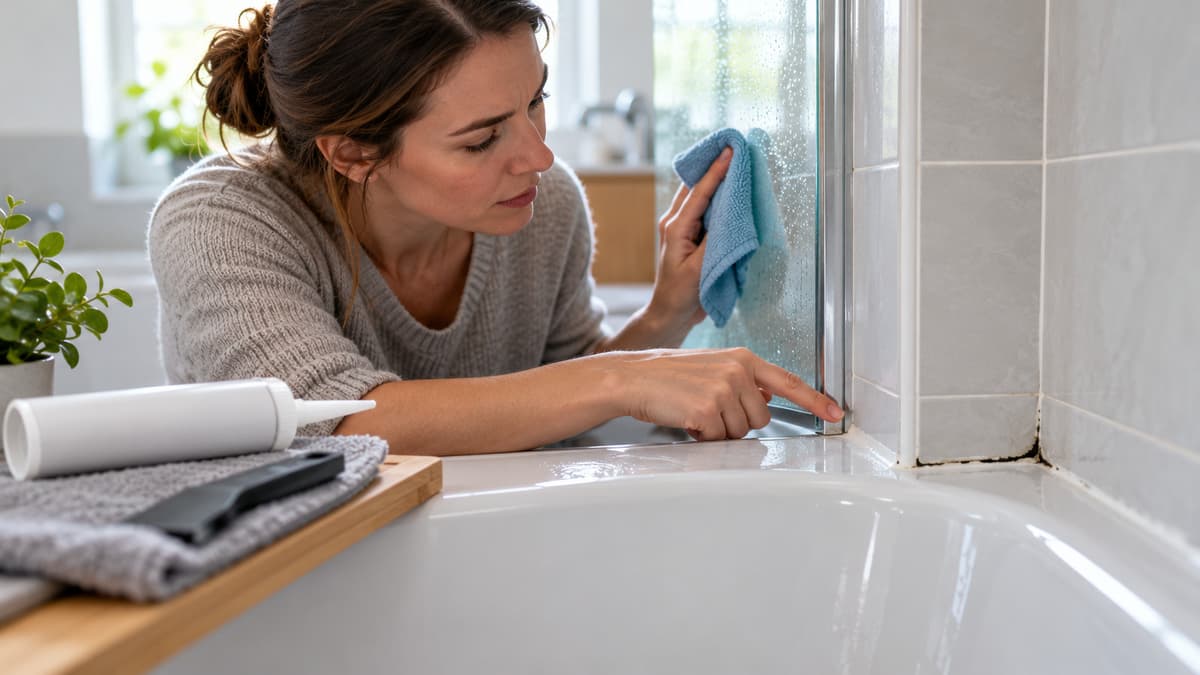
Check bath and shower joints once a year. Replace silicone when it cracks, lifts or leaks. UK guides say 1–2 years or 5–10 years, and they do not agree.
On this page
You are wiping the shower screen and a dark line sits in the corner where the bath meets the wall. The bead looks older than the tiles, and the pages you open next cannot agree how often to reseal a bath. Wickes says reseal a shower or bath every one to two years, depending on how hard the room is used. Checkatrade's 2026 cost guide says good silicone often lasts five to ten years, and Northern Seal and Joint works to that same span while asking you to inspect once a year.
Those calendars are other people's published guidance. They are not one UK rule. What they share is a condition test: replace sealant that has cracked, lifted, gapped or started to let water through. Links to amazon.co.uk use the tag pcuk26-21. A qualifying purchase through a comparison link can earn a commission at no extra cost to you.
In short
Look around the bath and shower edges once a year. Replace the silicone when the bead cracks, lifts, gaps or leaks. Published UK guidance splits between one to two years and five to ten years, so you judge the bead in front of you. A tile repair kit fills a chip in glaze. Silicone is the material for the joint.
Look once a year, replace when the bead fails
Make the yearly look a fixed job, and use it to check shower sealant before you buy a cartridge. Northern Seal and Joint puts the inspection at once a year. Cover the bath rim, the shower tray and every corner where a horizontal surface meets a wall. A cracked silicone shower joint usually shows in a corner, where the bead changes direction.
Walk when the room is dry, so a damp patch means water that has not drained. Press the bead, including a sealed screen channel. A sound bead feels continuous and still slightly elastic. A failed bead feels dry and brittle, or it lifts so a shadow opens under it.
Wickes treats cracks and pooling water as reasons to reseal. If water sits against the bead or tracks out of a gap, that puddle is the sign. Use the same walk as your grout check interval, and keep the materials apart. Grout fills the lines between tiles in one plane. Those lines do not inherit a bathroom silicone lifespan.
The bath-to-wall line is a change of plane, so it takes silicone. Grout on that edge is the wrong fill. If it has cracked, the old grout comes out and silicone goes in. Leave a bead that passes the press test. Cutting out sound silicone because a one-to-two-year page has come due opens a joint that was still working.
When you do reseal, remove all of the old silicone first. A skin of new sealant over the old bead leaves the failed layer in place. A stain on the ceiling below means this look is over.
Why the calendars online do not match
Keep each number with the page that printed it. Wickes says reseal a shower or bath every one to two years, depending on use, and lists cracks, mould that will not clean, and pooling water. Checkatrade's 2026 cost guide says good silicone often lasts five to ten years, and that you replace it when it cracks, blackens or gaps. Northern Seal and Joint pairs a yearly inspection with a five-to-ten-year view.
HomeForce skips the calendar: discolouration alone is not a reason to replace, while a dry, brittle or lifting bead is. None of these pages measured your bathroom. A shower used every morning works the bead harder than a guest bath. If the bead is brittle at eighteen months, the shorter window describes that room. If it is still stuck and flexible at year six, the longer window describes it, and HomeForce would leave it.
Averaging the ranges into three or four years invents a rule none of the guides wrote. Cracks, gaps, a lift, a brittle stretch and water leaving the wet area are the signs they share. A gap, in the Checkatrade wording, is an opening between the bead and the bath, tray or tile. A shadow behind the bead is that opening. Elastic and attached can wait until next year. Dry, loose or open gets replaced.
Mould on the surface and mould in the joint
The guides sound as if they clash on black mould because they describe two different beads. HomeForce says colour alone is not a reason to cut the silicone out. A bead can yellow and still be stuck, elastic and closed. Wickes treats mould that will not clean, with cracks and pooling water, as a reason to reseal. Checkatrade lists blackening with cracks and gaps.
Wipe mouldy bath sealant, dry the corner, and look the next day. If the colour sat on a bead that is still continuous, leave the joint. If the black returns inside a split, under a lifted edge, or in a gap you can open, the mould is in the joint and the bead comes out. A yellow bead that fails the press test comes out for the brittleness.
Mould that returns on a sound face means the corner stays damp. A low spot in the bead, or a screen that dumps water there, grows a new line after a fresh cartridge. Shape the new bead so water runs off it. Mould on plaster, on the back of a bath panel, or on the ceiling below has left the joint. Stop using the shower and have that path found.
A chip in a tile is a different visit
A nick in the glaze and a failed joint can share a shower and still be two jobs. Silicone at a change of plane is not tile paste. Bromley Tilers draws the same split. Paste fills a chip in a sound tile or bath surface. Silicone is the flexible bead where the bath or tray meets the wall.
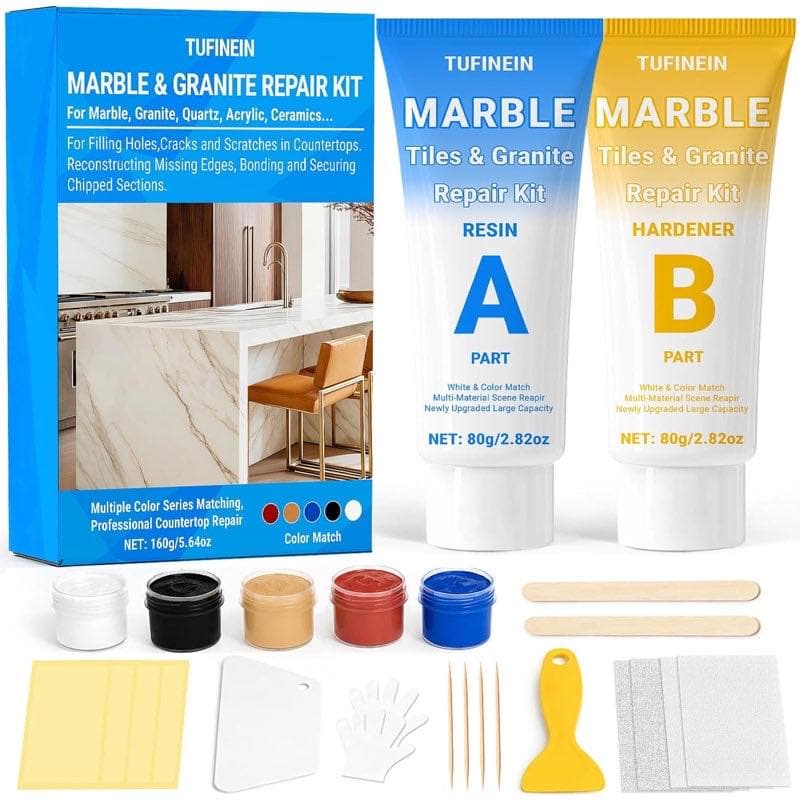
Paste along the rim leaves a rigid patch, and it leaves the old silicone underneath. If the damage is only a chip, use a kit and leave the sealant on the yearly test. The tile repair kit comparison covers paste and wax kits for chips and small holes. The shower and bath page is about chips on those fittings, not about how often to reseal a bath.
A listing that mentions showers is still a filler claim. It is not a cartridge of sanitary silicone. Do the joint first when the bead has failed and a chip sits beside it. Once the corner stays dry, the chip is the smaller visit. A tile cracked through, or one that sounds hollow, needs a different decision, set out on the repair or replace page.
The bath edge still needs the old silicone removed before any new bead goes down. Fill the chip only after that corner has stayed dry.
Signs to stop and get help
Water on the ceiling below, or a stain on a wall outside the bathroom, means water has left the wet room. Stop using that shower until the path is found. A fresh bead can close the gap you see and leave the path that has soaked the ceiling. Wickes, Checkatrade and HomeForce are writing about failed sealant. A larger cartridge does not find a leak in another room.
Get help when a bead fitted after a full removal still lets water out. The visible joint was not the whole path. Get help when the bath or tray moves, or when tiles along the edge are loose, because a new bead cannot hold a fitting that is shifting. Get help when you cannot clear the old silicone and you would have to bridge it. That bridge fails in the same corner.
In a private rental the bath is the landlord's fitting. Agree the work before you cut the joint, even when the split is obvious. A paste kit is not permission for a chip or a joint. If the ceiling is already stained, stop the water and have the path opened.
Common questions
How often should I look at the bath edge?
Does black mould mean I must cut the silicone out?
Is one to two years or five to ten years the rule?
Can I seal over the old bead?
Does a tile repair kit reseal a shower?
What if water is on the ceiling below?
Is grout on the bath edge a mistake?
When do I call someone?

Products Compared publishes British-English buying guides based on amazon.co.uk listings and public UK sources. We do not run a lab and we do not invent test scores.
Related articles

Chipped Bath: Tenant or Landlord — Who Repairs It?
In a private rental the bath is the landlord's fitting. A paste kit is not permission to repair it.
Cracked grout or cracked tile: which line failed
Grout, silicone and tile filler are three materials. A crack in the joint is a different job from a crack in the tile.

Glossy tile repair on matt tile: why the patch shines
A glossy patch on a matt tile is the cured paste's own sheen. Sanding the glaze can leave a dull ring.