Fatwood or kindling: which starter suits your stove

Fatwood catches from pine resin in a few sticks. Kiln-dried kindling carries the flame to the logs. They do different jobs, and resin is a poor fuel under food.
On this page
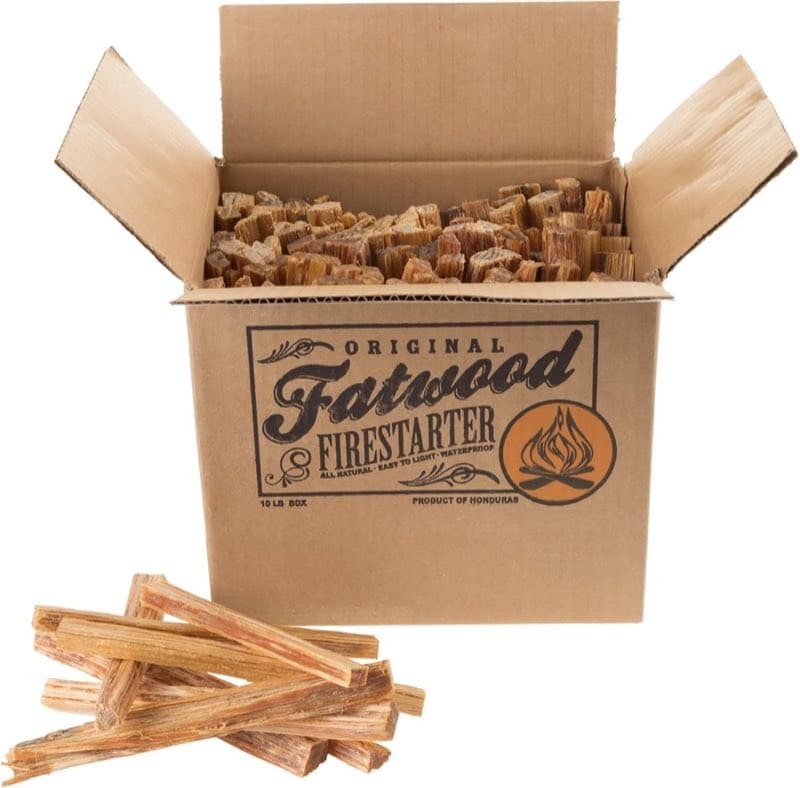
You are holding a box of resin sticks and a bag of small dry offcuts, and the search treated them as one product. Fatwood or kindling is the choice between a starter and the wood that carries the flame. Fatwood is resin-rich pine, usually from the stump, split so a match can catch in the resin. Kiln-dried kindling is the small sticks that bridge that flame to the logs. Sellers who say two sticks replace the rest of the lay are making a product claim. HETAS still describes a firelighter, a kindling layer, and logs, and the stove manual outranks both.
Peter F., editor for DIY & tools at productscompared.co.uk, read amazon.co.uk fatwood listings from 19 October 2026 and kindling listings from 20 October 2026, with GOV.UK and HETAS pages beside them. There was no weighed burn and no smell test. If you buy through an amazon.co.uk link, a qualifying purchase can earn a commission at no extra cost to you.
In short
Fatwood lights from pine resin and is sold as a few sticks under the fuel. Kiln-dried kindling is the dry bridge from that flame to a charge of logs. Lines about lighting when wet, or skipping kindling, stay seller claims. Under food, resin smoke is a poor trade. In England both products are still wood, so a small retail pack belongs under Ready to Burn when the mark is actually on it.
What fatwood and kiln-dried kindling each do
Fatwood is oily pine heartwood, split from the stump so the resin can catch from a match. Kiln-dried kindling is ordinary small wood, dried so it takes that flame and holds it against a log. They show up in one search and they do different minutes of the fire. The resin stick is the fatwood fire starter. The kiln-dried stick is the bridge. The logs are the evening's heat.
On 19 October 2026 the Pure Garden box was £28.64 for 4.54 kg, about £6.31 per kilogram, with 4.7 from 2,146 ratings. The seller says two or three sticks, including when damp. Stick length, origin, and a Ready to Burn logo are missing. Two saved reviews are from the United Kingdom. A pocket tin of about 180 g at £11 to £16 costs about ten times more per kilogram and suits a rucksack.
Kiln dried kindling sticks the next day were about £6 to £9 for 2.4 to 2.5 kg. Certainly Wood's box was £8.99 for a stated 110 to 120 sticks at 2.5 to 3.5 kg, with a below-12% line, a Ready to Burn sentence, 4.6 from 4,362 ratings, and the United Kingdom as the origin. The file has no certificate number, one order was metered above 12% on that buyer's meter, and the title says firelighters while the form is sticks.
Lighting speed and the bridge to the logs
Resin is why a fatwood fire starter feels quick. The stick holds a flame long enough for the next size of wood to catch, which is also what a wax cube or a wood-wool lighter does. Kiln dried kindling sticks are that next size. They are slower from a cold match, and they sit at the right size against a log. A fast first minute with a cold log is a fire that has not begun.
Bison Bushcraft says two sticks under the fuel and sells them as a firelighter substitute. Pure Garden and Billy Buckskin say two or three. The Wood Burners and Tree Surgeons Alliance notes about 8 inches by 3/4 inch, roughly 200 mm by 19 mm, and an even-when-wet line. Those are product claims. HETAS still uses a firelighter, kindling, and logs: small logs, crossed kindling, two firelighters, the air open, and the door closed until the flue warms. Your stove manual wins if the numbers differ.
A US chimney-sweep library notes that high-resin wood burns hot and fast, and that shutting the air hard can smoulder and lay creosote. That page is not a UK statute. Once the logs have caught, use the air settings in the manual.
Cooking, smell, and the indoor stove
Fatwood smells of pine because the resin is what burns. A few sticks under dry logs are a short dose while you heat a room. On a pizza oven or a BBQ the food sits in that air. There is no laboratory smell test on this page, and no pack here is food-safe. Use a wood-wool lighter sold on an odour claim for cooking, and keep fatwood for the stove or the campfire.
Log Barn's box of 200 was £12.99 on 20 October 2026, about 6.5p each, with up to 10 minutes claimed and one lighter on the kindling. The listing shows 4.7 from 22,250 ratings, the listing total rather than a UK-only count. The lighter starts the flame. Kiln-dried sticks can still carry it. You will taste the pine if the dough is in fatwood smoke.
One Pure Garden review says pine adds soot, so the sticks belong under dry logs. Black glass also follows wet logs, a closed airwash, and a weak draught, so sort those before you blame the starter. In a smoke control area you must not release chimney smoke. Burn an authorised fuel, or a Defra-exempt appliance on the fuels the maker allows. Fatwood is wood. A natural line does not make it smokeless. GOV.UK's penalty figures are for England, not a shorthand for Scotland, Wales, or Northern Ireland.
Moisture rules still apply to both woods
Lights when wet means the resin can catch on a damp face. On Pure Garden, Billy Buckskin, and the Alliance note it is a product claim, not a meter reading and not a waterproof rating. Dry the fuel you mean to keep alight, and let the starter do the first minute. A stick that is wet through belongs in the discard pile. Leave the air open while the flue warms.
In England, wood sold under 2 cubic metres for domestic burning should be Ready to Burn at 20% moisture or below, with the logo, the supplier name, and a certificate number. That is GOV.UK's selling-wood guidance and the Air Quality (Domestic Solid Fuels Standards) (England) Regulations 2020. Woodsure covers firewood, briquettes, and kindling. Fatwood is wood. None of the seven fatwood listings showed the logo. The supply offence sits with the seller, so read the pack you were sent.
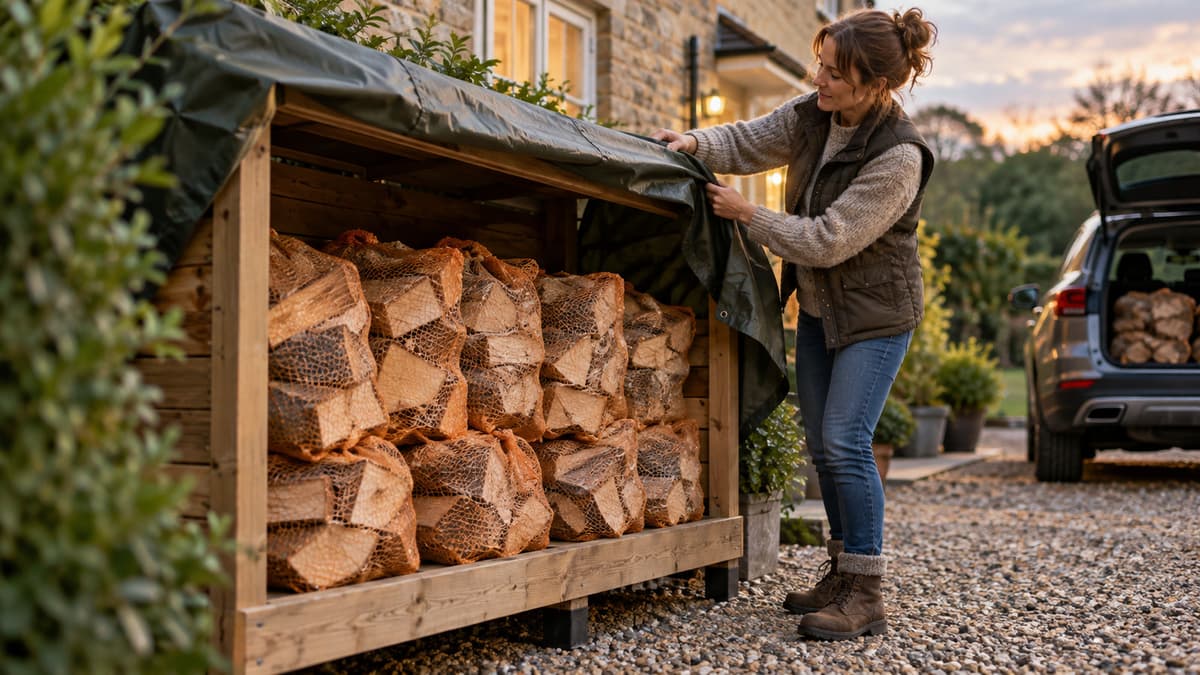
Kiln-dried is a process word, not the logo. Pelle & Sol at £6.89 states below 10% and Woodsure on a 2.4 kg title, while the weight field says 2.25 kg and the file has no certificate number. Certainly Wood states below 12% and Ready to Burn, and one order was metered above 12%. Ecoblaze at £5.99 says kiln dried and smokeless, with no moisture figure and no Ready to Burn line. Keep the sack off a damp floor. The log store comparison is for the log pile, and the kindling bag wants that same raised, airy corner.
Which page to open, and what to leave in the box
Open the fatwood comparison when you want resin sticks and you are weighing a 4.54 kg box against a pocket tin. The top pick is Pure Garden at £28.64, about £6.31 per kilogram, because the weight agrees with itself and two UK review texts in the file are positive. Skip it if you need a printed stick length, a Ready to Burn mark, or a rucksack tin. Billy Buckskin was £29.18, about £6.43 per kilogram, with sticks of about 8 inches. The captured reviews on that listing are from the United States.
Open the kindling comparison for the bridge, or for a wood-wool lighter when you cook. Sticks are the bags and the Certainly Wood box. Log Barn is the strongest lighter listing in that mix, which is a separate verdict from a best bag of sticks. Splitters on the same page make sticks from logs you already own. If your question was fatwood or kindling, leave the cracker for another day.
Once two or three sticks are under the lay, leave the rest of the box in the cupboard. Fatwood starts the flame. Kiln-dried kindling carries it. Dry logs, allowed for your stove, do the heating. In a smoke control area the fuel still has to be one the appliance may burn.
Common questions
Is fatwood the same product as a bag of kiln-dried sticks?
Can two fatwood sticks replace kindling and a firelighter?
Will fatwood smell if I light a pizza oven or a BBQ?
Does natural pine resin mean the pack is Ready to Burn?
Is fatwood safe to use if the sticks feel damp?
Will fatwood soot the chimney more than ordinary kindling?
Can I burn a whole box of fatwood as the evening's fuel?

Peter F. is the editor for DIY & tools at productscompared.co.uk. Comparisons in this category are checked against amazon.co.uk listings, review evidence and public UK sources.
Related articles

Why stove glass turns black
Wet fuel, a shut airwash, and a weak draught blacken the door before a new pane is the fix.
How to store kiln-dried logs
A dry delivery takes on water again if the stack sits on the ground or under a sealed sheet.

What you can burn in a smoke control area
Authorised fuel and an exempt appliance are separate checks from the words printed on a bag of wood.