Fertiliser Label Requirements UK: What Bags Must Show

Fertiliser label requirements UK: read NPK, P2O5 and K2O oxide figures, and separate a nutrient declaration from a weed or moss claim before you buy a bag.
On this page
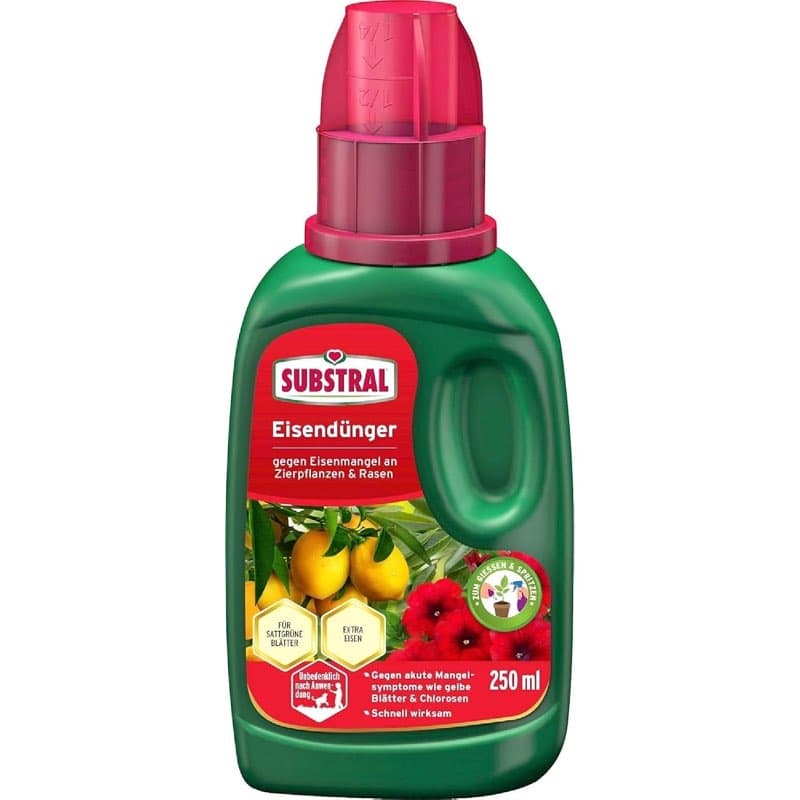
A fertiliser bag can put N, P2O5 and K2O beside a bold ratio, then add separate claims about weeds, moss or greener growth. Fertiliser label requirements in the UK are easier to navigate once you separate the nutrient declaration from marketing and from any pesticide claim. The useful question is not which pack has the biggest number, but what each number measures and whether the label gives you enough information to apply the product correctly.
The sources are the UK marking schedule, the Royal Horticultural Society, the Health and Safety Executive and Regulation 2019/1009. This page is not a laboratory test of any bag. A qualifying purchase from a linked comparison can earn us a commission at no extra cost to you.
In short
A fertiliser label identifies the product and declares its nutrients in prescribed forms, commonly with nitrogen first and phosphorus and potassium expressed on an oxide basis. Read the full nutrient declaration and application instructions rather than treating the NPK ratio as a performance score. If a product claims to kill weeds or control moss, check the pesticide information as a separate matter.
What the label is telling you
The front of a bag is designed to help you recognise the product quickly. The statutory and practical detail may be on the back or side. Under the marking provisions in Schedule 2 of the Fertilisers Regulations 1991, the prescribed information for relevant fertilisers includes the product description and nutrient declarations. The exact declaration depends on the fertiliser type, so two lawful products need not present an identical set of nutrients.
Start by finding the product's prescribed name or type, the nutrient declaration, the net quantity and the directions for use. Then look for qualifications: nutrient forms, solubility, trace elements, application rate and any warnings. This detail matters because a 20 kg bag applied at 70 g per square metre behaves very differently in your budget and spreader from one applied at 35 g per square metre.
The cited 1991 schedule applies to England, Wales and Scotland. Northern Ireland has a separate regulatory position, so check the current Northern Ireland rules if you buy or sell there. Use the pack supplied for your market, and be cautious when an online seller shows only a cropped front image.
The three nutrients, in order
NPK always starts with nitrogen, followed by phosphorus, then potassium. Nitrogen is shown as N. On conventional declarations, phosphorus is expressed as phosphorus pentoxide, P2O5, and potassium as potassium oxide, K2O. The RHS explanation of fertiliser labels is a useful buyer-facing guide to this order and terminology.
Nitrogen generally supports leafy, green growth. Phosphorus is associated with root development, while potassium supports functions linked to resilience, flowering and fruiting. Those summaries help you compare purposes. Soil, crop stage, season and the amount applied still decide whether the ratio suits the job.
A ratio such as 20:5:8 therefore reads as 20% nitrogen, 5% phosphorus pentoxide and 8% potassium oxide by mass when those are the declared forms. It is not a mixing instruction, and the numbers do not need to add up to 100. The remainder can include carriers, other declared nutrients and ingredients that make the product practical to store and spread.
A larger first number does not automatically make a product better. A concentrated feed may need a lower application rate, while another product may provide less nitrogen per kilogram but be intended for a different crop or season. When comparing lawn fertilisers, compare both the nutrient declaration and grams applied per square metre.
Why phosphorus and potassium appear as oxides
P2O5 and K2O often confuse shoppers because the bag may also mention elemental phosphorus or potassium in brackets. The oxide figures are conventional declaration forms. They do not mean the granules contain two unrelated supplies of potassium or that you should add the figures together. The bracketed elemental value is another expression of the related nutrient amount.
Published conversion factors make the relationship clear. Annex III of Regulation 2019/1009 gives factors of 0.436 for converting P2O5 to phosphorus and 0.830 for converting K2O to potassium. These factors are useful arithmetic, not a home mixing formula.
A declaration of 5% K2O corresponds to about 4.15% elemental potassium: 5 multiplied by 0.830. Rounded to one decimal place, that is 4.2%. If a retailer presents both 5% K2O and roughly 4.2% K, it is describing the same declared potash content on two bases rather than promising 9.2% in total.
Compare listings on the same basis, and keep sensible rounding. For most shoppers choosing a vegetable fertiliser, the pack's complete declaration is safer than a retailer's shortened specification table.
Weed and feed needs an extra check
A fertiliser nutrient declaration and a pesticide claim answer different questions. The NPK section tells you about plant nutrients. A claim that the product kills lawn weeds or controls moss brings in pesticide considerations, instructions and restrictions that should not be inferred from the nutrient numbers.
Iron in a lawn fertiliser does not automatically make it a moss killer, and a familiar brand is not permission to improvise a weed-and-feed dose. Where the label claims weed or moss control, identify the pesticide information, the target, the permitted use, the dose and any precautions. Follow that label rather than a forum recipe or the instructions from a different pack size.
The Health and Safety Executive's garden pesticide guidance advises users to read the label and use pesticides as directed. That includes storage and disposal as well as application.
More product is not a faster route to control. Overdosing can harm the lawn, nearby plants and the wider environment.
If you only want nutrition, compare a straightforward feed without an unnecessary control claim. If you need weed control as well, choose on the basis of the named target and authorised directions, not merely the NPK ratio. A combined product trades simplicity of purchase against less flexibility over when each job is done.
What to do when an online listing has a gap
Retailer pages often compress a detailed pack into three bullets and a partial specification. A field reading 14:5, for example, is not enough to establish a complete three-number NPK declaration. It may omit phosphorus, potassium or simply the third value because of poor data entry. Do not fill the blank from a similar product, an older package or a ratio shown in a review.
Look for a clear image of the current back label, or the manufacturer's UK declaration and directions. Match the exact product name, pack size and format, because liquid concentrate, ready-to-use feed and granules from the same range can differ. If the listing and the pack disagree, follow the physical label and ask the seller or manufacturer before you apply it.
A comparison page should preserve that uncertainty. It can report 14% nitrogen stated and phosphorus not stated on the listing, rather than creating a neat but unsupported ratio. The same rule applies to a listing that advertises 20:5:8. That figure is a retailer or manufacturer declaration, not an independent laboratory certificate.
Incomplete data also limits price comparisons. Without pack weight, coverage or dose, a cheap headline price cannot be converted into cost per square metre. When considering a universal fertiliser, favour enough label detail to judge both nutrient balance and realistic use.
A practical label check before you buy
First, match the feed to the plant and time of year. A lawn product designed to push leafy growth is not automatically suitable for fruiting crops, and a specialist feed is not automatically better where the soil already supplies enough nutrients. The ratio narrows the choice. It does not diagnose the soil.
Next, read the declared nutrient forms and keep oxide and elemental figures on the same basis when comparing products. Check the application rate, coverage, frequency and whether the directions differ for established plants and new planting. A concentrated product offers value only if you can measure and distribute the smaller dose accurately.
Finally, separate nutrient claims from control claims. If weeds or moss are named as targets, find the pesticide directions and decide whether you need a combined treatment. Photograph the label, keep the product in its original container, and follow those instructions rather than a retailer summary.
Common questions
What does NPK mean on a fertiliser label?
What does 20:5:8 mean on lawn feed?
Why does a label show both K2O and potassium?
Does a higher nitrogen number mean a better fertiliser?
Is every moss-control lawn feed a pesticide?
What if phosphorus is missing from a listing?
Must a shop page reproduce the whole fertiliser label?
Do the same fertiliser marking rules apply in Northern Ireland?

Products Compared publishes British-English buying guides based on amazon.co.uk listings and public UK sources. We do not run a lab and we do not invent test scores.
Related articles
How to feed a UK lawn
Use the label rate, cover the lawn evenly and avoid the common mistakes that cause scorched stripes.

Granules or liquid lawn feed
Compare coverage, application and scorch risk before choosing a lawn fertiliser format.

Vegetable fertiliser or a universal bag
See when a general feed is enough and when fruiting crops need a more targeted nutrient balance.