Polywire or polytape for cattle, horses, or steel line
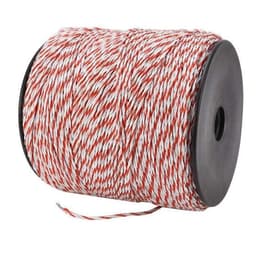
You are choosing a conductor, and the amazon.co.uk photo is a round twisted reel while the title says rope or even tape. Polywire or polytape is a shape decision before it is a brand decision. Polywire is the twine, polytape the flat ribbon, polyrope the thicker round line, and high-tensile steel the permanent wire. Every reel on the [electric fence wire comparison](/hub/fencing-and-wire/electric-fence-wire) sits in the twine column, so tape or rope means leaving the set. Horse welfare is on [electric fence wire for horses](/hub/fencing-and-wire/electric-fence-wire/sub/electric-fence-wire-for-horses). Earth, joins and signs are on [how to install electric fence polywire](/hub/fencing-and-wire/electric-fence-wire/sub/electric-fence-wire-how-to-install). Peter F. is the DIY & tools editor. A qualifying purchase can earn a commission at no extra cost to you.
You are choosing a conductor, and the amazon.co.uk photo is a round twisted reel while the title says rope or even tape. Polywire or polytape is a shape decision before it is a brand decision.
You are choosing a conductor, and the amazon.co.uk photo is a round twisted reel while the title says rope or even tape. Polywire or polytape is a shape decision before it is a brand decision. Polywire is the twine, polytape the flat ribbon, polyrope the thicker round line, and high-tensile steel the permanent wire. Every reel on the electric fence wire comparison sits in the twine column, so tape or rope means leaving the set. Horse welfare is on electric fence wire for horses. Earth, joins and signs are on how to install electric fence polywire. Peter F. is the DIY & tools editor. A qualifying purchase can earn a commission at no extra cost to you.
Our top picks
| Badge | Product | Stated length | Conductors | Thickness claim | Note | Price | Offer |
|---|---|---|---|---|---|---|---|
| Best overall |  Longzhuo Longzhuo polywire 500 m, 6-strand | 500 m | 6 stainless strands | n/a | 8.5 | about £27.99 | View offer |
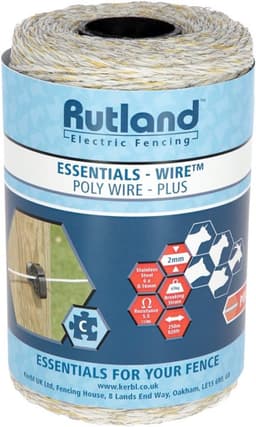
| Best value |  Kerbl Rutland polywire 250 m, 6-strand | 250 m | 6 x 0.16 mm | 2.5 mm | 8.0 | about £12 | View offer |
 ohbien ohbien polywire 1,000 m, 9-strand | 1,000 m | 9 stainless strands | 3 mm each, unverified | 1.0 | about £47.99 | View offer |

On this page
Four conductors, four jobs
When polywire is enough
Tape, rope, and wind
Steel, and what this Amazon set cannot be
Common questions
What is the physical difference between polywire, tape and rope?
When is polywire the right buy for cattle or sheep?
When does wind make tape the wrong shape?
When is rope the better horse line than tape?
Why is high-tensile steel a strong conductor and a poor horse fence?
Does nine strand on the long ohbien reel make it tape or rope?
Related pages
Sources
Public UK sources and the amazon.co.uk listings in this set, checked on 19 October 2026.
- AHDB: Components of an electric fence (retrieved 19 October 2026)
- AHDB: How to set up electric fencing for cattle and sheep (retrieved 19 October 2026)
- AHDB: Types of electric fencing (retrieved 19 October 2026)
- GOV.UK: Permanent electric fencing (FG3) (retrieved 19 October 2026)
- BSI: BS EN IEC 60335-2-76:2021+A11:2021 (retrieved 19 October 2026)
- Cornwall Council: Electric fence guidance for landowners (retrieved 19 October 2026)
- British Horse Society: Fencing (retrieved 19 October 2026)
- amazon.co.uk: polywire electric fence (retrieved 19 October 2026)