Independent comparisons. We may earn from shop links. More info

Using a spokeshave for a sticking timber door

Updated: October 2026

A spokeshave can ease one marked high spot on a sticking timber door, but only after you rule out loose hinges, seasonal swelling and movement in the frame. Locate the rub, correct hardware faults, then take one fine shaving with a flat sole if the bind remains constant. A round sole is the wrong geometry for a straight door stile. The [spokeshave comparison](/hub/diy-supplies/spokeshave) identifies tools whose listings explicitly name a flat base. This guide deals with a local skim, not resizing a door or altering a fire-rated doorset. Peter F. limited the steps to that skim, from checks current on 15 October 2026. A qualifying purchase can earn a commission at no extra cost to you.

A spokeshave can ease one marked high spot on a sticking timber door, but only after you rule out loose hinges, seasonal swelling and movement in the frame.

Our top picks

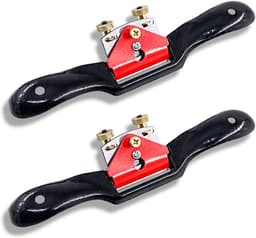
Glarks Glarks 10 inch pair

Best overall

Glarks Glarks 10 inch pair
8.5/10about £12.99
Swpeet Swpeet 10 inch pair

Preis-Tipp

Swpeet Swpeet 10 inch pair
8.6/10about £4.44
Swpeet Swpeet 10 inch flat

Rank 3

Swpeet Swpeet 10 inch flat
9.0/10about £8.99
On this page

Find the rub before you cut

Close the door slowly and inspect gaps along the head, latch stile, hinge stile and threshold. Slide paper or card around the closed gap. Resistance helps locate contact. Mark polished paint or a compressed edge with pencil. Contact at the top latch corner with a widening gap towards the bottom hinge side usually indicates a dropped leaf. Tightness along the latch stile can mean swelling or frame movement. Check the hinge side. Thick paint under a hinge, or a leaf not seated in its recess, changes the door's position. If contact changes as you lift the door or press the frame, the problem is movement.

Fix the hinge or the season before shaving

Open the door part way and lift gently at the handle edge. A clunk or hinge movement indicates loose fixings. Tighten them before retesting. A dropped top hinge often causes an upper latch-corner rub. Removing timber may stop today's noise while the hinge sags further. Correct it, then remark the edge only if a fixed high spot remains. A door that sticks in wet weather but clears in summer is responding to moisture. A large winter correction can leave an excessive dry-weather gap. Check whether the top and bottom edges are sealed. If you must ease seasonal swelling, limit work to the worst constant point and reassess when dry. The spokeshave buying guide helps you select a flat tool, but no purchase turns a hardware fault into a cutting job.
Glarks Glarks 10 inch pair

Testsieger

Glarks Glarks 10 inch pair
8.5/10about £12.99

Take one light pass with a flat sole

Once the hinges are secure and the rub is genuinely local, set a flat-sole spokeshave for a fine shaving. Test it on scrap first. The cutter should be parallel to the sole or carry only a slight intentional skew, with no heavy projection at either corner. Work with the grain. Near an end, cut from the middle outwards rather than driving inwards and risking a split. The how to use a spokeshave guide explains direction. Close the door and test after each fine shaving. The UK door guidance used for this page does not provide a universal amount to shave from a rubbing spot, so any fixed figure would be false precision. When the fit is right, smooth rough fibres and seal exposed timber, including bare top and bottom edges.

Stop when the job is more than a skim

Stop if you need to remove a broad strip or change the door's overall size. A moved frame, a bowed leaf or a pulled-out hinge fixing needs repair and refitting rather than repeated shaving. Do not alter a fire-rated doorset as an ordinary DIY clearance job. Its gaps, seals and any intumescent strip contribute to performance, and trimming must remain within the door manufacturer's allowance. Stop as well if the adjustment moves during use or the blade will not take a fine cut after proper sharpening. The best spokeshave guide compares the listing evidence. Call a joiner when the frame has moved, hinges have torn out of damaged timber, the door is fire rated, or more than a local skim appears necessary.

Common questions

Can you use a spokeshave on a sticking door?
Yes, for one constant, marked high spot on a timber edge after hinge and frame faults are ruled out. Use a flat sole set for a fine cut and test the fit after every shaving. A spokeshave is not appropriate for structural movement, a dropped door or unverified fire-door clearances.
How do you find where the door rubs?
Close it slowly, inspect all four gaps and slide paper or card around the edge. Look for polished paint or compression, then mark the contact. A rub at the top latch corner often indicates a dropped hinge, while contact along the whole stile can suggest swelling or frame movement.
Should you tighten the hinges first?
Yes. Lift the handle edge and watch for movement or a clunk. Tighten loose screws and repair failed holes appropriately, then test the door again. Shaving a door while it hangs low removes timber for a fault that may continue to worsen.
Should you plane a door that sticks only in winter?
Usually not immediately. A bind that appears in wet weather and disappears when dry suggests seasonal swelling. Check and seal bare edges, particularly end grain, and reassess. If a serious local bind must be eased, remove less than you think and avoid cutting the whole edge.
Is a flat or round spokeshave better for a door?
A flat sole is the correct geometry for a straight door stile or top edge. It gives stable support around the cutter. A round sole is designed for tight concave work, while concave-and-convex cutter sets shape rounded components. Neither is a sensible substitute on a door edge.
How much wood should you remove?
There is no universal millimetre figure for a local rub. Take one fine shaving from the marked high point, close the door and retest. Stop as soon as movement is free and the gap is consistent. If the job needs more than a skim, investigate the frame or call a joiner.
Can you trim a fire door with a spokeshave?
Do not treat it as a normal DIY adjustment. Fire-door gaps, seals and manufacturer trimming allowances are part of the doorset's performance. If the door is fire rated or you are unsure, obtain competent advice and the manufacturer's instructions before altering any edge.

Related pages

Sources

Public sources named in the research digest for this spokeshave comparison. Listing prices and star counts are amazon.co.uk figures from that digest. Prices move. Sources checked 15 October 2026.

  1. Common Woodworking, Buying a spokeshave (retrieved 15 October 2026)
  2. Paul Sellers, spokeshave Q&A (retrieved 15 October 2026)
  3. Fine Woodworking, low-angle vs standard-angle spokeshaves (retrieved 15 October 2026)
  4. Fine Woodworking, spokeshaves can be pushed or pulled (retrieved 15 October 2026)
  5. HSE, PUWER overview (retrieved 15 October 2026)
  6. Consumer Rights Act 2015, section 9 (retrieved 15 October 2026)
  7. MoneyHelper, consumer rights (retrieved 15 October 2026)
  8. Tooled-Up, Record A151 flat spokeshave (retrieved 15 October 2026)