Written scheme of examination air compressor: the 250 line
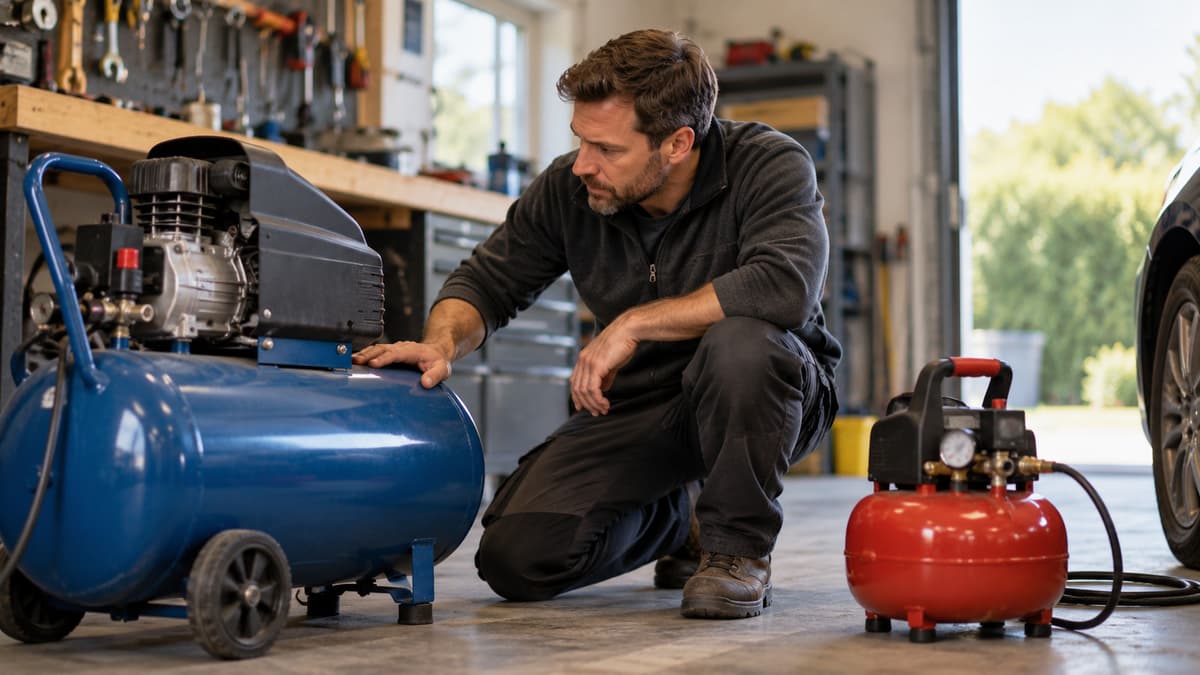
Work out if your workshop air compressor needs a written scheme of examination before you run it at work. The 250 bar-litre line in PSSR 2000 decides it.
On this page
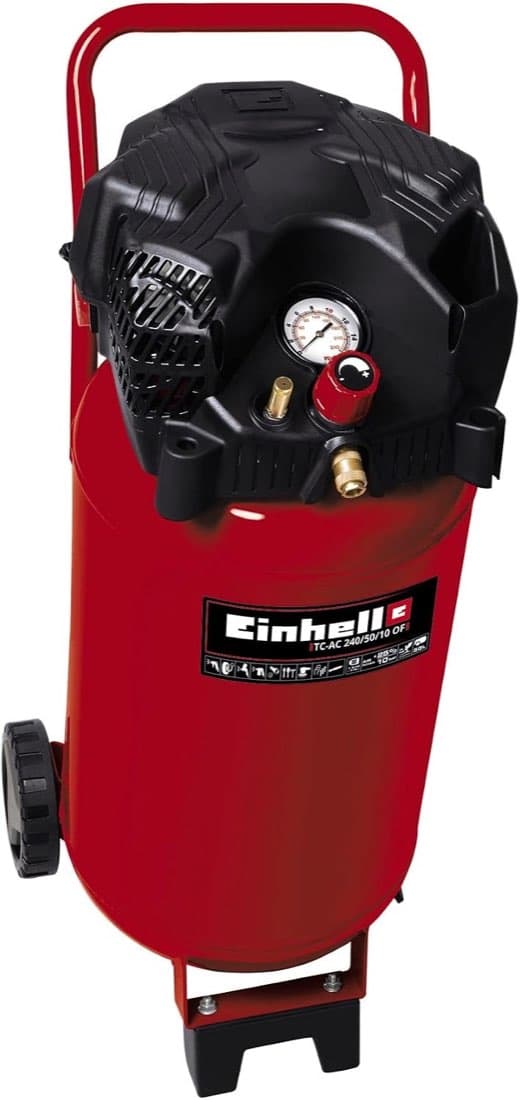
You have a 50 litre receiver on the workshop floor, marked 8 bar, and a contractor has told you to book a written scheme of examination before Monday. The 6 litre portable you use on the drive for tyres is a different sum. Multiply the receiver's maximum pressure in bar by its volume in litres. Under 250 bar-litres, HSE leaflet INDG178 treats a portable as normally outside that scheme. At 8 bar, a 50 litre receiver is 400 bar-litres, which the same leaflet puts with the receivers likely to need one.
In short
A written scheme of examination for an air compressor turns on the Pressure Systems Safety Regulations 2000 and the 250 bar-litre line. Air above 0.5 bar is a relevant fluid. A portable under 250 bar-litres is normally outside regulations 5(4), 8 to 10 and 14. A workplace 50 litre receiver at 8 bar is likely to need a scheme drawn up or certified by a competent person before you operate it.
The 250 bar-litre line
Compressed air above 0.5 bar is a relevant fluid. HSE's pressure-systems overview and leaflet INDG178 give the small-system line: maximum pressure in bar multiplied by receiver volume in litres. Schedule 1 to the Pressure Systems Safety Regulations 2000 excepts a system under 250 bar-litres from regulations 5(4), 8 to 10 and 14, including the written scheme. Regulation 11, on operation, stays in place.
INDG178 says a portable under that line is normally outside the scheme. Pipework, a second receiver, or a higher marked pressure than the advert can change the sum. Use the pressure and volume marked on the receiver, not the regulator setting at a nailer. If the shell is marked 8 bar, the product uses 8.
Where a scheme is required, regulation 8 puts it in place before the system is operated. A competent person draws it up or certifies it, names the parts to be examined, and sets the interval. Keep that document with the plant. This article uses SI 2000/128, the Great Britain text. A workshop in Northern Ireland should follow the Northern Ireland pressure-systems regulations and HSENI guidance. A site in the Republic of Ireland falls under Irish law, which this page does not cover.
Three receivers, worked out
A 6 litre receiver at 8 bar is 48 bar-litres, so that portable sits outside the written-scheme case. On amazon.co.uk the Stanley FatMax DST 101/8/6, listing B081FKBF6W, prints a 6 litre tank, 8 bar and 59 dB. The capacity field says 8 litres, which is 64 bar-litres, still under 250. The comparison showed £203.36 and 4.6 from 770 reviews. Prices move, and the stars describe buyers, not an examination. The Stanley compressor comparison sets that small tank next to Stanley's larger receivers.
A 5 litre receiver at 10 bar is 50 bar-litres, and a 10 litre receiver at 8 bar is 80. Both stay under 250. Litres on their own are the wrong column: a small tank at a high marked pressure can stay under the line, and a large tank at a modest marked pressure can cross it. Two receivers joined by a hose are two sums.
A 50 litre receiver at 8 bar is 400 bar-litres. INDG178 places that workplace receiver with those likely to require a written scheme. If you are choosing that size, use the 50 litre vertical compressor comparison for the machines, and the vertical air compressor comparison when floor space is the other question. Those pages compare listings. They do not examine your vessel.
Home garage, workplace, and hire
This page is for a workplace user. A householder inflating a tyre on a 6 litre portable is the 48 bar-litre case, normally outside the scheme. Once people are employed in that garage, or the compressor is work equipment, the workplace duties are the ones to open.
The Provision and Use of Work Equipment Regulations still apply to work equipment. A portable under 250 bar-litres can sit outside the written-scheme regulations and inside those rules on the same day. Draining condensate, guarding a belt, and a plug that suits UK mains do not stand in for a scheme on a 400 bar-litre receiver.
The Work in Compressed Air Regulations 1996 govern people working in compressed air. A garage inflator, a brad nailer, or a spray gun in a small unit is a different activity, and those 1996 rules are the wrong booklet for a tyre hose.
HSE puts the duty on the user of an installed system and the owner of a mobile one. Ask the hire company, in writing and before the first start, who owns a mobile plant and where its scheme is if the vessel needs one. If you pipe it into a fixed run of outlets, look again at whether you are now the user. If the scheme names a different volume or marked pressure, get the document for the vessel you actually have.
Who draws up the written scheme
Regulation 8 requires a competent person to draw up or certify the scheme before operation. HSE expects that person to be independent enough to stop the system being used. If the only engineer on site loses a delivery the moment the receiver is quarantined, that engineer is badly placed to certify it.
The British Compressed Air Society's reading of the Approved Code of Practice puts certification of a minor system at Incorporated Engineer level. Treat that as their published reading, and check the current HSE code for your system. A general plumber, or the sales engineer who assembled the unit, is the wrong assumption for that certifying role.
The interval is the period written in the scheme. The 2000 regulations do not fix a universal number of months, so a 12-month habit stands only until the scheme says otherwise. HSG39's band of 24 to 48 months is old guidance that still cites the 1989 regulations. Schedule the date the competent person has written.
Photograph the data plate and give the competent person the receiver volume, the maximum pressure, whether the unit is mobile or piped in, who owns it, and who employs the users. On the Stanley 6 litre listing the tank line says 6 litres and a capacity field says 8. For a scheme, use the shell. If the safety valve has lifted, or the motor will not cut out, stop using it. When the compressor will not stop covers that fault.
What stays outside the scheme
INDG178's usual position is that the pump and motor sit outside the written scheme. The scheme follows the air receiver and the parts the competent person names. You still maintain the pump. A burnt-out oil-free motor is a breakdown, not evidence that regulation 8 applied to that pump.
Pipework added later falls outside the portable examples. A 48 bar-litre tank that later feeds a fixed main, or a second receiver beside it, needs the product worked again. The 6 litre and 5 litre figures here describe receivers as stated. Under 250 bar-litres you are outside regulations 5(4), 8 to 10 and 14. Regulation 11 still applies, so marked limits and the decision to stop a damaged vessel remain live.
Draining a small home tank is maintenance, covered in how often to drain a home compressor. Water in the shell is a corrosion problem. The scheme question is the bar-litre product. Vertical or portable compressor covers floor space and whether you can carry the machine.
The Products Compared editorial team prepared this from HSE leaflet INDG178, the HSE pressure-systems overview, SI 2000/128, the British Compressed Air Society note on competence, and the amazon.co.uk listing for the Stanley FatMax DST 101/8/6. We did not inspect your workshop, pressure-test a vessel, or run a lab trial. A qualifying purchase through our amazon.co.uk links can earn us a commission at no extra cost to you. Read the current official text before you rely on it for a live system.
Common questions
What is a written scheme of examination?
Does my 6 litre compressor need one?
Does a 50 litre 8 bar receiver need one at work?
Does it apply in a home garage with no employees?
Who counts as a competent person?
Is the pump included in the scheme?
How often is the examination?
What if I only hire the compressor?

Products Compared publishes British-English buying guides based on amazon.co.uk listings and public UK sources. We do not run a lab and we do not invent test scores.
Related articles
When the motor will not stop
Signs that mean you stop the compressor and get a competent person, rather than resetting the switch.

How often to drain a home compressor
A practical drain interval for a small home tank, and what service means if the pump is oil-free.

Vertical or portable air compressor
When a vertical 50 litre saves floor space, and when a portable is the one you can carry.