How often to drain air compressor: after each use

Drain a home air compressor after each use, even after one tyre. A weekly booklet line is the longest gap, not the target, and oil-free tanks still rust.
On this page
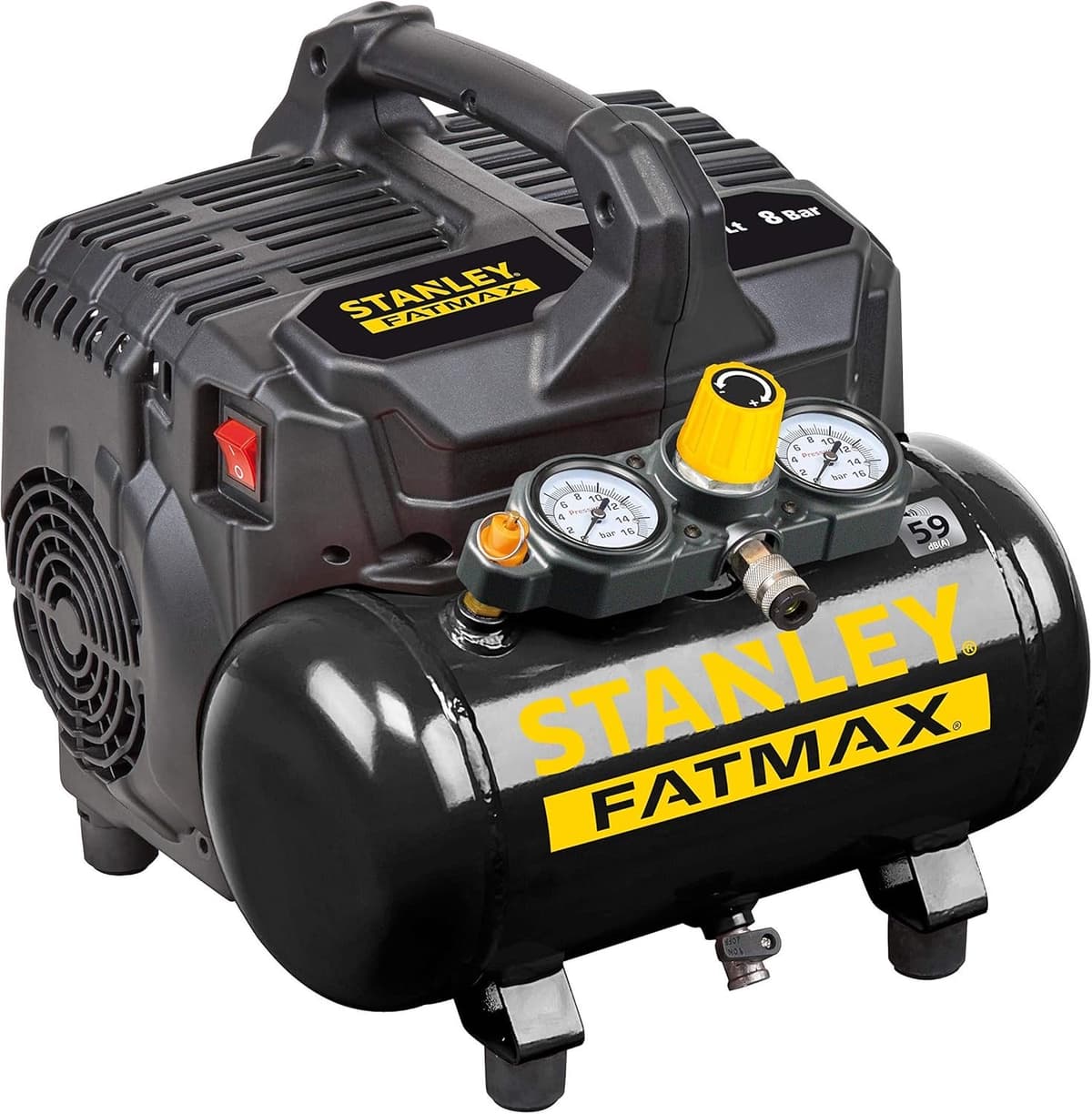
You topped up one tyre, coiled the hose, and left the compressor in the shed with the drain cock still shut. The job felt too short to count, and a half-remembered line said seven days would do. How often to drain an air compressor, on a home tank, is a shorter rule than a service chart: drain it after you use it, and do not store the tank wet. The Stanley DN200/10/5 manual says each day, and it tells you to tilt the machine so the bottom valve is the low point. Air Supply UK says daily or after every use, because water left in the receiver rusts the steel.
A seven-day line in the Draper oil-free instructions for model 24978 is the longest gap that booklet allows, not the habit to copy after the pump has run. A 6 litre tank uses the same interval as a 5 litre one. The Health and Safety Executive’s HSG39 notes that a receiver needs a drain. On a small home tank that is a cock and a container, not a workplace discharge consent.
In short
Drain after use, and do not store the tank wet. Seven days is the longest gap in an oil-free booklet, not the target. A few drops are still a reason to open the valve.
The home interval
The interval for a UK home tank is after use, on the day you ran the machine. Water sits in the lowest steel. A cock on a machine standing so the puddle is uphill of the outlet will look dry when the tank is not.
Draper’s oil-free instructions for model 24978 say before and after every use, and the same booklet also says at least every seven days. If you used the compressor, do not wait the week out. Seven days is the longest gap on that page, a backstop for a machine that has been idle, not a target. A short job does not buy a longer gap, because one tyre still draws damp air in and drops water as that air cools.
A 6 litre compressor takes the same after-use drain as the 5 litre DN200. The Stanley compressor comparison is about the receiver you buy, not a different drain calendar. The same Draper booklet warns that the motor should not start more than five times an hour. That limit is about restarts, so drain once with the machine off and the pressure down. Where your own manual is tighter than each day, follow that booklet.
Why a quiet oil-free tank is included
Oil-free describes the pump, not the air in the garage. Ambient air carries water vapour, and once it is compressed into a steel receiver it condenses and runs to the bottom. A quiet 6 litre oil-free tank still rusts from the inside if that water stays. Skipping the drain on an oil-free pump is a listed mistake, because the badge sounds like a blank maintenance list.
The DN200/10/5 manual places a residual-oil warning next to the daily drain. A drip can be mostly water and still carry a trace the booklet wants caught, so put a container under the cock. If the liquid looks oily, keep it out of the rainwater gully. The warning is not an oil-change schedule, and it is not a reason to leave the valve shut on the day you used the machine.
Oil-free and lubricated pumps diverge on the other jobs, and both still get drained after use. A lubricated pump adds an oil check on that pump’s own interval. Mixing the two is how a 6 litre oil-free inherits a 500-hour industrial oil change from a workshop article written for a different machine. That figure is not a drain interval, and this page does not assign it to an oil-free receiver. If the oil manual is missing, the oil interval is unpublished, and you still drain.
Why water appears with no oil sump is covered in why an oil-free compressor still makes water. A quiet case is easy to leave pressurised in a corner overnight. Lower noise does not relax the calendar.
How far the drain steps go
Switch the machine off and unplug it. Let the pressure down through the normal outlet until the tank is depressurised. Put a container under the drain valve, tilt so the valve is the low point if your manual says so, open the valve, and let the water leave. Close the valve before you store the compressor. That home procedure stops at the cock.
A cock that will not turn, that weeps after you close it, or that is blocked solid is the point where you stop and use a competent person or the maker’s service route. Forcing a seized cock with pliers, on a tank that still holds pressure, turns a drain into a loose fitting under air. Depressurise first. If it still will not move, leave it.
Do not pull the safety valve to empty the tank. That control lifts if pressure runs too high. It is not the condensate drain. Depressurise by the ordinary outlet, then use the drain valve for the water. If the safety valve has already lifted on its own, emptying the receiver will not explain the lift.
One depressurisation, one opening and one close is the whole job, whether you get a gush or a teaspoon. A tank drain is also a different part from a separator in the hose. Moisture can leave as vapour and condense at a spray gun or a nailer. If the tool end stays wet after you have been emptying the receiver, read the water separator comparison.
Storing the tank after you drain
After the last use of the day, depressurise and empty the tank, then close the valve. Do not store it wet, and do not leave the cock open all winter unless your own manual says to store it that way. A shed is dusty and often damp. An open port lets grit and moist air in, and it can drip where a residual-oil warning applies, as on the DN200/10/5. The aim is an empty receiver with the cock shut.
Treat the seven-day Draper line as a maximum gap for a tank you did not use. A machine left pressurised while the shed cools can grow a puddle you did not see when you last closed the valve.
Check the cock is shut before you switch on. Starting against an open drain runs the motor without building useful pressure. On the Draper sheet that wasted start counts toward five in the hour. Follow a “store it open” line only when it is printed for your model.
What is not a home service schedule
British Compressed Air Society guidance is aimed at system condensate that is usually oily. Untreated oily condensate is not for a surface drain, and a workplace discharge is a trade effluent consent matter. A few drops from a small oil-free tank are not the 30 kW example those sheets describe. Keep oily-looking drips out of a rainwater gully, and treat a lubricated workshop compressor as the consent case.
HSG39 is written for compressed air at work. A 6 litre tank for tyres does not, by itself, become a written scheme of examination. If you are responsible for a compressor at work, this after-use habit is not your compliance file. The cock still has to be used at home.
Change oil only on a lubricated pump, and only on the interval that pump’s manual prints. Do not invent one for the Stanley D210. If the manual is absent, the oil interval is unpublished, and you still drain on the day you use the tank. Leave the safety valve alone unless the maker printed a test.
Products Compared prepared this in October 2026 from the DN200/10/5 manual, the Draper 24978 instructions, Air Supply UK, HSE HSG39 and the British Compressed Air Society condensate sheet. We did not run a corrosion test. The booklet with your compressor outranks a general interval where they clash. A qualifying purchase through our links can earn a commission at no extra cost to you.
Common questions
Should I drain an air compressor after every use or once a week?
Do I drain the compressor if I only inflated one tyre?
Is the compressor drain valve at the bottom of the tank?
Can I leave the drain valve open while the compressor is stored?
Does an oil-free compressor need draining less often?
What if only a few drops come out of the drain?
When is compressor condensate a workplace waste question?
What home servicing is left if the pump has no oil?

Products Compared publishes British-English buying guides based on amazon.co.uk listings and public UK sources. We do not run a lab and we do not invent test scores.
Related articles

Why an oil-free compressor still makes water
Oil-free means no pump oil in the air path. It does not mean a dry tank, and you still drain after use.

When air tools need a water separator
A cock on the tank is not a separator at the tool. Water in the hose is a different part of the airline.

Oil-free or an oil-lubricated compressor
When a quiet oil-free receiver is the point, and when a lubricated pump is the one with an oil interval.