How often to water a newly planted tree: year one

How often to water a newly planted tree in Britain: check the rootball, use the dry-weather litre guide, and adjust for a wall, a pot, or winter.
On this page

You planted a tree this spring, and by a warm afternoon in July the leaves hang even though you watered yesterday. The soil on top looks dark. That colour is easy to trust and easy to misread. How often to water a newly planted tree depends on whether the rootball is drying, not on a reminder that fires every evening.
The Royal Horticultural Society treats the first year as the establishment window, and stretches that to as many as three summers for a large specimen, with water that reaches about 20–30 cm down. This page follows RHS watering and planting guidance, and the apricot and olive notes for this hub. We have not run a garden trial. If you buy through a comparison link, a qualifying purchase can earn us a commission at no extra cost to you.
In short
Check the rootball before you water. In dry weather, once that check shows it is drying, the RHS planting figure is about 30–50 litres per square metre each week, applied so it sinks in rather than as a daily sprinkle. Most new trees need that care through the first year. A large one may need it for up to three summers. A tree that is already established in the ground is watered only in extreme drought.
How often in the first year
Watering new trees in the UK starts with a habit, not a weekday. Through the first summer, look at the rootball whenever the weather has been dry for several days, and also after a spell that felt wet but may not have reached the roots. If the soil at depth is still moist, leave it. If it is drying, water properly once, then wait until the next check.
The weekly litre line is the part people turn into a rigid schedule, and that is the mistake this job keeps producing. The figure belongs to dry weather, and only after you have seen that the rootball is drying. A cool, wet June in much of Britain does not become a duty to pour the same volume because the calendar says the tree is still new. Skipping a week when the trowel comes up moist is correct maintenance.
Depth, and how many litres
Depth is the part a sprinkle never delivers. RHS watering guidance asks for water about 20–30 cm down, which is where a young rootball actually sits, not the crust that changes colour after one pass of the rose. You can test that with a trowel. Pull the mulch or the loose surface aside, dig to that sort of depth beside the rootball rather than through it, and see whether the soil is cool and moist or dry and crumbly.
How many litres for a new tree is the next number people want, and the RHS planting guidance gives it as a rate, not as a single can for every stem. In dry weather, after the rootball check, the figure is about 30–50 litres per square metre each week. A newly planted whip with a rootball the size of a bucket is not a square metre of dry ground. Pouring the whole 30–50 litres into that small volume because the sentence contained the number is how a careful owner waterlogs a tree that only needed a fraction of it.
Apply the water slowly enough that it sinks into the zone you checked, rather than running off the surface towards the path. A can, or a hose turned down, used until that root area is moist at depth, matches the intention better. Then stop.
Rain, walls, and a dry rootball
Rain counts only when it does the job you would otherwise do with the can. A brief shower can darken the top and leave the rootball untouched, which is why “water a tree after rain” is a real question rather than a contradiction. After rain, repeat the trowel check before you add anything. If the soil is moist at about 20–30 cm, the rain has already watered the tree and another soak is surplus. If it is dry underneath, the rain was a surface event and you still need to water.
Walls make this sharper. A warm wall is exactly where an apricot fan is often trained, and that strip of ground is a classic rain shadow. The open lawn can be soaked while the soil at the base of the wall stays dry, because the wall and the eaves throw the weather off. Watering new trees in that position from the look of the grass is how fans fail in an otherwise wet month. Judge the soil in the planting line, not the soil two metres out on the lawn.
Pots, fruit trees, and a small bay
A fruit tree in a pot is not a smaller version of the weekly border routine. The Royal Horticultural Society says containers of apricots need regular water. The compost is a finite store, it warms in sun, and it can go from moist to dry much faster than the surrounding bed. In a hot spell you may need to check a pot most days. Water until the root zone in the pot is moist, let the excess leave through the drainage holes, and do not keep filling a saucer that never empties.
Olives pull the other way if you copy the apricot habit without looking. RHS guidance for olives is to use pot feet and not to leave them standing wet. The olive tree comparison is the page for that plant on this hub.
Ornamental trees in the ground follow the first-year check, the same as a fruit tree in the ground. The living top pick in our hardy ornamental trees comparison is a Carbeth bay, Laurus nobilis, supplied in a 10 cm pot and listed at £11.99. The listing claims use in pots, on patios and balconies, and in borders. A pot that small can dry in a sunny afternoon. The 30–50 litre square-metre figure does not describe it.
When you have watered too much
Overwatering a new tree usually looks like diligence. The can comes out because the leaves droop, or because a note said “every week”, and the rootball never gets a dry interval. The sign you can actually use is the one from the trowel: the soil at depth is still wet when you were about to water again. If it is, wait. Wilting is not a verdict. A dry rootball and a saturated one can both leave the top of the tree looking sorry, and only the hole tells them apart.
Roots need air as well as water. Soil that stays sodden keeps that air out, and the apricot notes treat waterlogged roots as a way the tree fails. Stop adding water while the rootball is wet.
Winter is where the summer habit does the most unnecessary work. The litre figure is for dry weather. A border that is moist at depth in January does not need a weekly soak because the tree is still in its first year. The exception is the place rain does not reach: a pot kept under cover, or the rain shadow at a wall. Check those. Leave the open, wet ground alone. If the tree later shows dieback that watering cannot explain, that is a different problem from a dry week, and it is not solved by another can.
Mulch, and the years after
Mulch on a new tree changes the speed of drying, not the question you are asking. A layer over the soil slows evaporation, so the gap between soaks can lengthen in warm weather. It also hides the surface, which is the clue people already misread. Pull the mulch back and check the rootball. These notes do not fix a centimetre depth for the mulch, so you should not treat thickness as the decision. Moisture at about 20–30 cm is the decision.
How many years you keep this up depends on the tree in front of you, not on a single anniversary. An ordinary new tree is in the first-year window. A large specimen may still need deep watering in dry spells for up to three summers. After that, a tree in the ground joins the established rule: water in extreme drought, not on a weekly plan copied from the planting sheet. If you are planting a bare-root tree this winter, get the tree into the ground without the roots drying out first.
Common questions
How often should I water a newly planted tree in the first summer?
Does rain count as watering a new tree?
How many litres does a new tree need?
How do I know I am overwatering a new tree?
Should I water a young tree in winter?
Is watering a fruit tree in a pot different?
Does mulch change how often I water?
For how many years should I water a newly planted tree?

Peter F. is the editor for DIY & tools at productscompared.co.uk. Comparisons in this category are checked against amazon.co.uk listings, review evidence and public UK sources.
Related articles

Planting a bare-root tree
Roots can dry out, or the stem can be buried, before a winter-bought tree has even started.

When a tree is in trouble
Dieback, silver leaves, or spots on a new tree: when to prune, when to stop, and when to report.
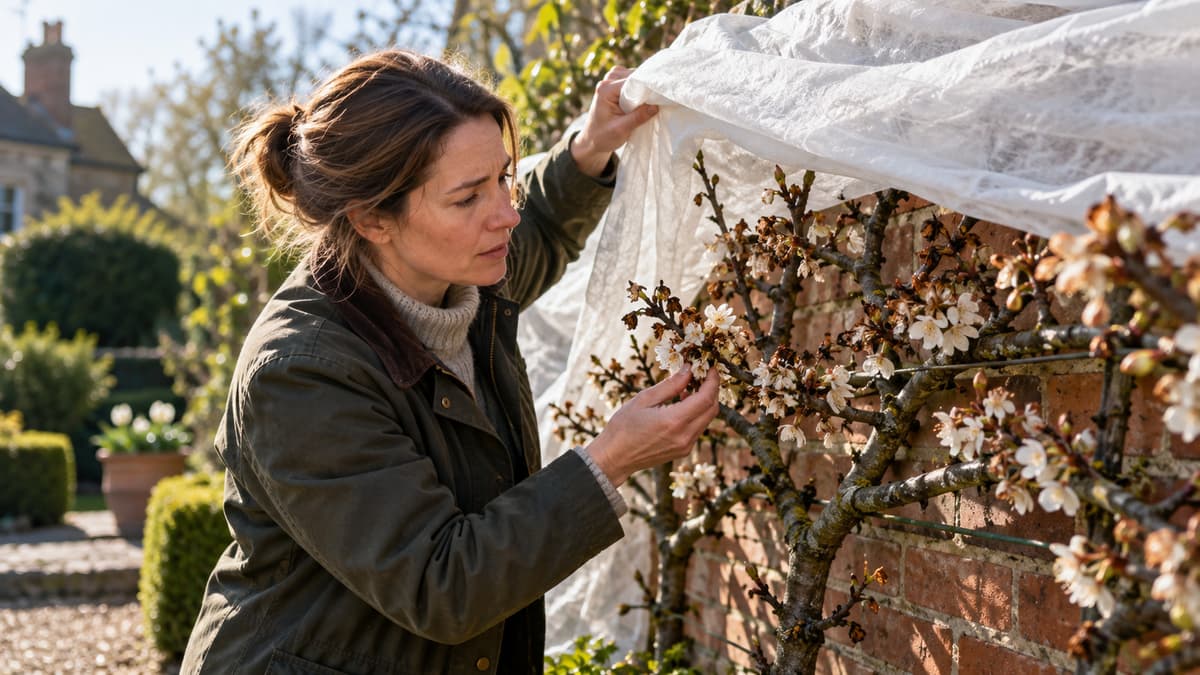
Frost on spring blossom
A hardy fruit tree can still lose the crop to one cold night, even when the wood itself comes through.