Independent comparisons. We may earn from shop links. More info

Electric rat trap vs poison: pets, checks, and risk

Updated: 17 October 2026

The electric rat trap vs poison choice is clearest when a dog, cat or child shares the home. A shock trap avoids leaving anticoagulant bait for a pet to eat and leaves no chemical residue when used correctly, but it still requires species fit, secure placement and frequent checks. Poison can expose a dog directly through bait or indirectly through a poisoned rodent. Neither method replaces proofing and hygiene. Compare current trap formats on our [electric rat trap comparison](/hub/traps/electric-rat-trap), then use the risk distinctions below to decide whether DIY control is appropriate at all. A qualifying purchase can earn a commission at no extra cost to you.

The electric rat trap vs poison choice is clearest when a dog, cat or child shares the home.

Our top picks

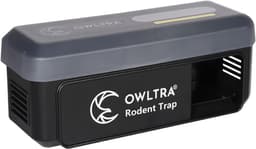
OWLTRA OWLTRA OW-1

Best overall

OWLTRA OWLTRA OW-1
8.2/10about £34.99
OWLTRA OWLTRA OW-7

Rank 2

OWLTRA OWLTRA OW-7
7.9/10about £49.99
Roshield Roshield EV TRAP

Best value

Roshield Roshield EV TRAP
6.4/10about £29.99
On this page

What poison adds that a trap does not

Rodenticide introduces a toxic substance into the control process. PDSA warns that dogs can suffer primary poisoning by eating bait and secondary poisoning by eating a poisoned rat or mouse. Baits are designed to attract rodents, which also makes secure storage and placement essential around pets. If you think a dog has eaten bait or a poisoned rodent, contact a vet immediately rather than waiting for symptoms. The Health and Safety Executive advises considering hygiene, barriers and traps before anticoagulant rodenticide. Remove food and water, proof access where doing so will not trap an animal inside, and use a suitable non-chemical method where practical. Poison should not be an automatic addition because a poorly placed trap stayed empty for a few nights. A poisoned rat may travel before dying, creating a route to pets or wildlife. Authorised products carry specific conditions. Do not buy an unlabelled product, exceed the stated dose or scatter bait where another animal can reach it. For a household with a dog, a correctly enclosed electric trap in a pet-excluded area removes the bait-poisoning pathway. That does not make the tunnel harmless to a paw or nose.

What a shock trap still demands

An electric trap must suit the target species. A small-mouse tunnel sold under a rat title may fail to admit a brown rat or position it on the plates. Match the chamber to the animal, place it on an established run and follow the specified power and bait instructions. Those checks are in our electric rat trap buying guide. Keep children and pets away from the entire device. A covered chamber may reduce access, but a marketplace safety claim does not prove that every non-target animal is protected. GOV.UK says lethal traps should be positioned to avoid catching animals for which they are not intended. If the only active run cannot be secured, DIY electrical trapping is the wrong choice. Check the trap at least every 12 hours. UFAW recommends that interval because a kill trap can fail to complete the intended outcome. One shared OWLTRA review reports a rat being stunned rather than killed, which is enough to reject a blanket claim that an electric chamber is always instant. If an animal remains alive, do not attempt an improvised dispatch. CRRU guidance says a live rodent found in a kill trap still requires a humane end by someone able to provide it.
OWLTRA OWLTRA OW-1

Testsieger

OWLTRA OWLTRA OW-1
8.2/10about £34.99

Glue boards and approved-trap claims

Glue traps are not a fallback for household rodent control. GOV.UK states that glue traps for rodents are not allowed. They can restrain a live animal for a prolonged period. If both an electric trap and rodenticide seem unsuitable, call a controller rather than moving to a glue board. Do not confuse a seller’s humane wording with official approval. The Spring Traps Approval Order lists approved spring-trap designs. It does not turn every electrical chamber into an approved spring trap. The Animal Welfare Act allows humane destruction in the relevant circumstances, but it does not certify a particular voltage, seller claim or kill time. Printed voltage is not a welfare score. Listings in this set claim values from 1,800 V to 9,000 V, and those figures were not independently measured. Chamber fit, reliable contact, power condition and the outcome for the animal matter more. A higher number does not authorise use on a protected or non-target species. Do not use a marketplace page as legal instruction, especially around drains, farm buildings, shared premises or wildlife.

When each choice fits

Choose a suitable electric trap when you have identified a rat, found a secure dry run, can exclude pets and children, and can check at least every 12 hours. This route avoids placing rodenticide in the home. Follow the manufacturer’s bait, placement and emptying instructions, and disconnect power before handling or cleaning. Choose professional control when the infestation spans several rooms, activity is inside drains or cavities, the species is uncertain, or a pet-safe trap position is impossible. A controller may decide that an authorised rodenticide is necessary after considering non-chemical methods. That is different from placing consumer bait beside an unsuccessful trap without understanding why it failed. Do not routinely use poison and an electric trap together. Poisoned animals may die in inaccessible places or create a secondary-poisoning risk, and the extra method makes outcomes harder to monitor. Correct chamber size, pre-baiting and placement first. Our how to use an electric rat trap guide covers that procedure. Whichever route you choose, finish with proofing and sanitation. Store pet food and bird seed securely, manage rubbish, remove water, and close entry points only when you are confident no animal will be sealed inside.

Common questions

Is an electric rat trap safer than poison around dogs?
It removes the risk that a dog eats rodenticide or a poisoned rat, which is a meaningful advantage. It is not automatically pet-safe: the trap must remain inaccessible, correctly powered and suitable for the species. If a dog could reach the entrance or cable, choose another secured location or call a controller.
What is secondary poisoning?
Secondary poisoning occurs when an animal eats another animal that has consumed poison. PDSA identifies eating a poisoned rat or mouse as a risk for dogs. If that may have happened, contact a vet immediately and provide any bait packaging you have.
Can I use poison and an electric trap together?
Do not combine them casually. HSE guidance puts hygiene, barriers and traps before anticoagulant bait, and poison introduces risks that the trap was meant to avoid. If trapping fails, reassess species, chamber and placement, or ask a competent controller to choose the next method.
Are glue traps a suitable alternative?
No. GOV.UK states that glue traps for rodents are not allowed. They can leave an animal alive and distressed and still require a prompt competent response. Use a lawful species-appropriate method or seek professional help.
Is an electric shock automatically humane?
No. Seller voltage and instant-kill claims were not measured here, and one shared review reports an incomplete kill. Use the correct chamber, inspect it at least every 12 hours and arrange competent help immediately if an animal remains alive.
When should a pest controller take over?
Call one when you cannot identify the animal, activity is in drains, cavities or several rooms, pets cannot be excluded, or a trapped animal is alive. Professional assessment is also appropriate before rodenticide is used in a complex or recurring infestation.
Does avoiding poison solve the infestation?
No. A trap controls an animal. It does not close entry points or remove food. Proof gaps at the appropriate time, secure rubbish and stored food, and remove accessible water. Otherwise new rats can use the same route after the first catch.

Related pages

Sources

Public UK sources for permitted methods, trap welfare, rodenticides, and chamber size. Listings are the amazon.co.uk captures for these ten ASINs, not a live reload on 17 October 2026. Prices on amazon.co.uk move.

  1. GOV.UK, pest control on your property (retrieved 17 October 2026)
  2. Animal Welfare Act 2006 (retrieved 17 October 2026)
  3. Spring Traps Approval (England) Order 2018 (retrieved 17 October 2026)
  4. HSE, rodenticides (retrieved 17 October 2026)
  5. CRRU UK Code of Best Practice 2024 (retrieved 17 October 2026)
  6. UFAW, humane rodent control (retrieved 17 October 2026)
  7. PDSA, rat poisoning in dogs (retrieved 17 October 2026)
  8. 1env 2026 catalogue, mouse and rat chamber sizes (retrieved 17 October 2026)