Independent comparisons. We may earn from shop links. More info

How to use an electric rat trap: bait, place and check

Updated: 17 October 2026

Knowing how to use an electric rat trap matters as much as choosing the chamber. Rats may avoid a new object for several days, a large lump of bait can foul the plates, and moving the box every morning can interrupt the process. Start with a confirmed rat run in a dry, accessible place where children and pets cannot reach the entrance. If you still need a suitable model, check our [electric rat trap comparison](/hub/traps/electric-rat-trap) before setting anything. The sequence is simple: bait the cup sparingly, place the unpowered trap on the run, allow cautious pre-baiting where needed, then arm, inspect and empty it safely. A qualifying purchase can earn a commission at no extra cost to you.

Knowing how to use an electric rat trap matters as much as choosing the chamber.

Our top picks

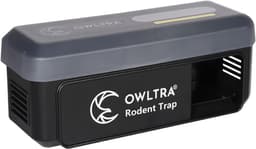
OWLTRA OWLTRA OW-1

Best overall

OWLTRA OWLTRA OW-1
8.2/10about £34.99
OWLTRA OWLTRA OW-7

Rank 2

OWLTRA OWLTRA OW-7
7.9/10about £49.99
Roshield Roshield EV TRAP

Best value

Roshield Roshield EV TRAP
6.4/10about £29.99
On this page

Bait the cup, not the plates

Use only a pea-sized smear in the designated cup. Peanut butter is commonly suggested by UK pest-control guidance and current listings. Hazelnut spread, or food the rat is already taking, can also work. A toothpick helps you avoid coating the plates. Wear gloves. More bait is not better: a large lump can let the rat feed without stepping onto the contacts, and one manufacturer warns against bait on the plates. If you do not know what the rat is eating, look for gnawed pet food, bird seed or stored grain before defaulting to cheese. Remove competing food, but do not wipe away every sign of the run. A small-mouse chamber can stay empty because an adult rat will not enter it. The size and power checks are in our electric rat trap buying guide.

Put it on a run and leave it

Place the trap along a wall or established run, level and stable, with the entrance aligned to droppings, rub marks or gnawing. An indoor-only model belongs in a dry room, not beside a leaking door or on wet concrete. Rats can avoid a new object. If bait stays untouched, leave the trap unpowered and pre-baited for two or three nights instead of moving it every morning. Some UK pest guidance moves from bait beside a conventional trap to bait in the cup before setting it, and the same caution helps here. A week of untouched bait may mean the wrong run, the wrong chamber, competing food or another species. A listing that says garden without an IP rating is not weather resistance. Even the OWLTRA OW-7, which claims IPX4, needs its cover, a raised dry surface and no standing water. Do not wrap a mains or USB connection.
OWLTRA OWLTRA OW-1

Testsieger

OWLTRA OWLTRA OW-1
8.2/10about £34.99

Arm it, then check it

Once the rat is taking bait from the chamber, close and arm the trap as the instructions say. Confirm the ready light or sound without putting fingers inside. Use only the specified batteries or adapter. A USB cable does not mean an adapter or a rechargeable battery is included. Check at least every 12 hours. UFAW gives that interval because a failed strike can leave a live animal confined. An alert does not replace inspection. A Roshield buzzer in a loft beside a bedroom can also be disruptive. Switch the unit off and disconnect power before emptying. VeftBltrem’s listing says not to touch the plates while the trap is on. Use the lid, base or release, wear gloves, and bag the body according to local guidance. Clean only parts the manufacturer permits, and do not immerse the unit unless the instructions allow it. Let every cleaned part dry before restoring power.

When DIY should stop

If the rat is still alive, do not attempt an improvised dispatch. Keep children and pets away and contact someone competent to deal with it. A reported incomplete kill in the shared OWLTRA reviews shows that a voltage claim is not a guaranteed outcome. Call a competent BPCA or NPTA controller, or ask the council, when you cannot identify the species, when activity is in a cavity, drain or under the floor, or when several rooms show signs. After activity is controlled, proof gaps and manage food and water without sealing a live animal inside. If an empty trap tempts you towards rodenticide, read our electric rat trap vs poison guide first. Poison does not correct poor placement.

Common questions

What bait should I use?
A pea-sized smear of peanut butter is a practical starting point, though food the rat is already taking can be more attractive. Put it in the designated cup, not across the metal plates. Remove other accessible food so the chamber is not competing with an easier meal.
Should I set the trap on the first night?
You can follow the manufacturer’s instructions, but a cautious rat may avoid a new chamber. If bait is untouched, leave the trap unpowered and pre-bait it for two or three nights. Arm it once the animal is entering and taking bait.
Where should an electric rat trap go?
Place it level beside a wall or on an established run marked by droppings, gnawing or rub marks. Keep indoor-only models dry and away from children and pets. Do not place an unrated electrical trap outdoors merely because its title mentions a garden.
How often should I check it?
Check at least every 12 hours, even if the model has an alert. Lights can be missed and batteries can fail. Regular inspection reduces the time an injured or trapped animal might remain unattended.
Why has the trap caught nothing?
Common causes include neophobia, too much bait, bait on the plates, the wrong run, competing food or a chamber too small for the animal. Stop moving it daily, confirm the species and allow pre-baiting. If signs are widespread or inaccessible, call a controller.
How do I empty it safely?
Switch it off first and disconnect the lead or batteries as instructed. Use the lid, removable base or release mechanism rather than reaching inside. Wear gloves, avoid touching the plates, and clean only approved removable areas before allowing everything to dry.
What if the rat is alive?
Keep people and pets away and contact a competent pest controller. Do not attempt an untrained dispatch or leave the animal until the next day. A live animal in a kill trap still requires a prompt humane response.

Related pages

Sources

Public UK sources for permitted methods, trap welfare, rodenticides, and chamber size. Listings are the amazon.co.uk captures for these ten ASINs, not a live reload on 17 October 2026. Prices on amazon.co.uk move.

  1. GOV.UK, pest control on your property (retrieved 17 October 2026)
  2. Animal Welfare Act 2006 (retrieved 17 October 2026)
  3. Spring Traps Approval (England) Order 2018 (retrieved 17 October 2026)
  4. HSE, rodenticides (retrieved 17 October 2026)
  5. CRRU UK Code of Best Practice 2024 (retrieved 17 October 2026)
  6. UFAW, humane rodent control (retrieved 17 October 2026)
  7. PDSA, rat poisoning in dogs (retrieved 17 October 2026)
  8. 1env 2026 catalogue, mouse and rat chamber sizes (retrieved 17 October 2026)