Wasp trap or wasp nest: when you should call for help

A wasp trap by the bins will not empty a nest in the eaves. See when to leave it, where a trap can hang, and when a professional should treat the nest.
On this page
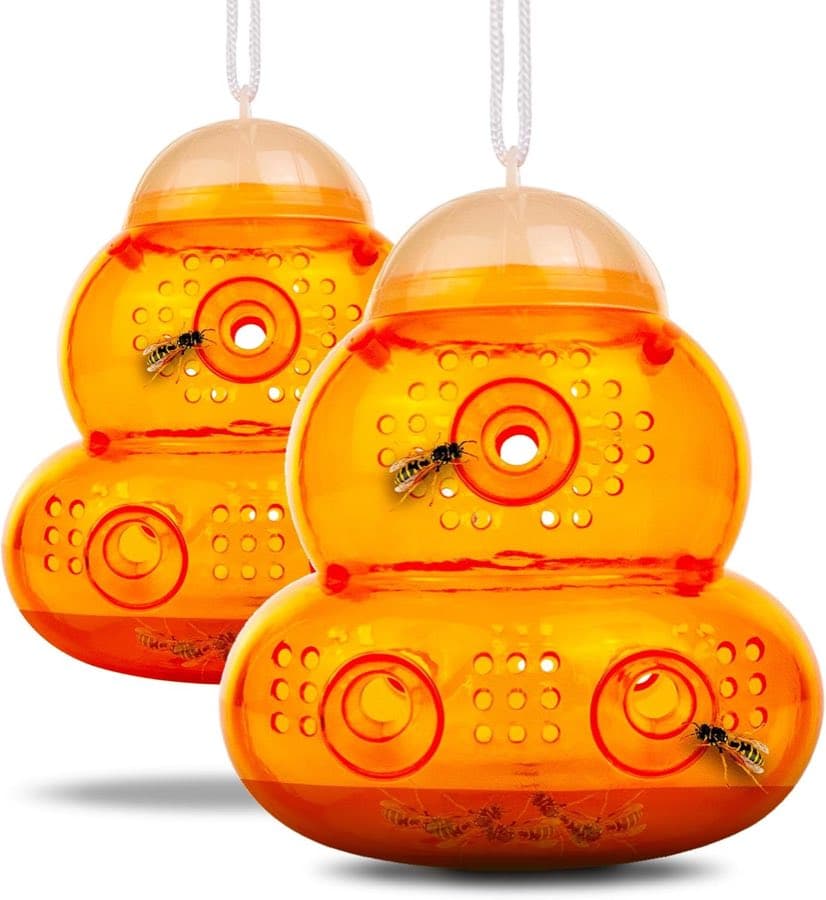
You are at the bin on a warm evening, the lid is barely up, and wasps are already on the food scraps. A hanging trap looks like the whole answer. Then you notice a steady line of insects under the eaves, and the question changes. Wasp trap or wasp nest: which problem is actually in front of you, and which one will a jar of bait touch?
A trap by the bins will catch some foragers. It will not empty a nest in the wall, and it will not make a defensive colony safe to prod. The British Pest Control Association treats those as different jobs. A trap can monitor activity. A nest that puts people at risk is work for someone who applies insecticide at the entrance. Peter F. did not run a lab test and does not invent a catch rate. A qualifying purchase through our links can earn a commission at no extra cost to you.
In short
A wasp trap and a wasp nest are different objects, and buying one does not close the other. Leave a distant nest that is not a risk to health and safety, and expect the colony to be abandoned in autumn. Hang a trap away from people, with a protein lure in spring and a sugary bait in summer, and keep seals and shop sprays off an active nest in August.
A trap and a nest are different objects
A wasp trap is a container and a lure. Foragers follow the smell, enter, and many do not find the way out. That can cut the insects on a plate or a bin lid. It does nothing to the brood, the queen, or the comb inside a cavity. A full jar and a busy hole under the fascia can both be true in the same week.
A nest is the structure the colony builds and defends. Around a house it often sits in a roof space, a cavity wall, a soffit, or a shed. You see traffic at one hole. Half a dozen wasps on a jam jar are a foraging problem. A hole with insects arriving and leaving all afternoon is a nest entrance. BPCA wasp control advice uses the same split. In the low-chemical note, traps are for monitoring. When treatment is warranted, the method is insecticide at the entrance. Wasps can sting more than once, so a disturbed entrance can bring many insects that can each sting again.
Wasps on food are a reason to look at the wasp trap comparison. The top pick there is the Aspectek 2-pack, about £11.19: two ABS gourd traps, 12.5 × 12.5 × 15.5 cm, with an apple-cider-vinegar recipe and no lure bottle. Across 11,088 amazon.co.uk reviews it averages 4.2. A bullet that calls it a nest-killer alternative is not what those reviews describe. A full jar means the bait is attractive. It does not mean the nest is shrinking. Reviewers who owned an older unit say a newer lid hole can let wasps out, and the hanging string fails in more than one review.
When leaving the nest is the advice
Should I destroy a wasp nest? Treat when there is a risk to health and safety. A nest away from doors, paths, and places people linger can be left. Distance means how close the entrance is to people, which is the test BPCA publishes. Late summer wasps are the peak. Colonies are largest then, which is why August feels worse than May. The association’s note for people working at height says colonies are abandoned in autumn. If nobody is at risk, leave a wasp nest until autumn and avoid a fight at the busiest point of the year.
Queens can use gaps over about 3 mm. Once the entrance has gone quiet, sealing those gaps is prevention for the next queen. Traffic in August means the hole is still live, so the seal waits. A nest near a bedroom window left open on hot nights is close enough to matter. A nest on a gable you never climb can wait. A serious reaction to stings, or a child playing under the flight line, is a reason to take advice before you wait. Steady arrivals through the day mean the colony is active. If you cannot point to the hole, you do not yet have a nest to treat.
Where a trap can sit
A wasp trap near a bin earns its place when the bin is the problem. Hang it so the flight path runs toward the lure and away from the bench where you sit. BPCA says not to put traps where they draw wasps onto people. A doorway, a play set, or the table puts insects where hands and faces are. If you can only hang the trap among people, skip it.
Protein lures suit spring, when the colony is feeding larvae. Sugary baits suit summer, when workers want sugar. A jam trap in April, or a meat bait left unchanged into August, often stays empty for that reason. Change the bait with the season, and refresh it before it dries into a crust. In a hot spell, a householder’s rule of thumb is to look every day or two, because heat spoils a sugary bait quickly. That interval is not a figure from BPCA. A hook on a fence post beside the bins, a few metres from seating, fits the warning better than a bracket over the table.
Tiny flies around fruit or a compost caddy call for a fruit fly trap. If wasps are scarce in the jar and common at a hole in the timber, the nest is the problem, and a second jar will not reach the comb. A wasp trap under the eaves pulls foragers into the entrance.
Do not seal an active entrance
Some pages tell you to plug the hole at night. Do not copy that onto a UK house. Follow BPCA: do not tackle a defensive nest yourself, and do not improvise a seal over an active entrance. Foam, wire wool, or tape over a live hole keeps the colony in the wall. The wasps then look for another way out, sometimes into a bedroom or through a loft hatch. The gap advice is about prevention. Queens can use openings over about 3 mm, so you seal those gaps once the colony has been abandoned in autumn and the hole is quiet. Check soffits, air bricks, and the fascia on a day with no traffic at the old hole.
A DIY spray may nip a small spring nest and is unlikely to finish a large one. That is BPCA’s note for people working near nests, including window cleaners. August is peak size. A ladder, a large nest, and a shop aerosol are a poor mix, because wasps can sting more than once. The open case for a careful attempt is a tiny starter nest you can see entirely, at ground level, early in the year, away from your face. A cavity or a ladder means you stop.
What a professional visit is for
Book when the nest is a risk to health and safety: beside a door, opening toward a room, above a path, or where someone must work on gutters, windows, or in the loft. The treatment BPCA describes is insecticide at the entrance. Ask what they will do if the comb is in a cavity they cannot see in full. This article does not invent a call-out fee. A price from another country is not your bill. Read what to ask before you book pest control before you book. Ask where they will treat, whether the nest is in a wall, and how they use an entrance that is all you can see. Mention children, or a severe sting allergy, on that side of the house.
Leave a wall or soffit nest to a professional when it is a risk. You often see only the hole. The comb sits in the cavity. Spraying the paint is not insecticide at the entrance. Do not open the lining to look. You would meet the colony in a confined space and still not have done the treatment. Foragers already outside are still about that afternoon, and a trap hung away from people can monitor them. A quiet nest in autumn, with nobody having to pass it, can be left. Seal gaps over about 3 mm once the hole is quiet.
Common questions
Do I have to destroy every wasp nest?
Will a wasp trap empty the nest?
Where should a wasp trap hang?
Can I block the entrance hole of a wasp nest?
Is a shop spray enough for a wasp nest in August?
When is a wasp nest empty?
Who should treat a wasp nest in a wall?
Do wasps die after one sting?

Peter F. is the editor for DIY & tools at productscompared.co.uk. Comparisons in this category are checked against amazon.co.uk listings, review evidence and public UK sources.
Related articles

Pest control quote questions: what the visit includes
Questions to ask before a wasp visit: where they will treat, and whether the nest sits in a wall.

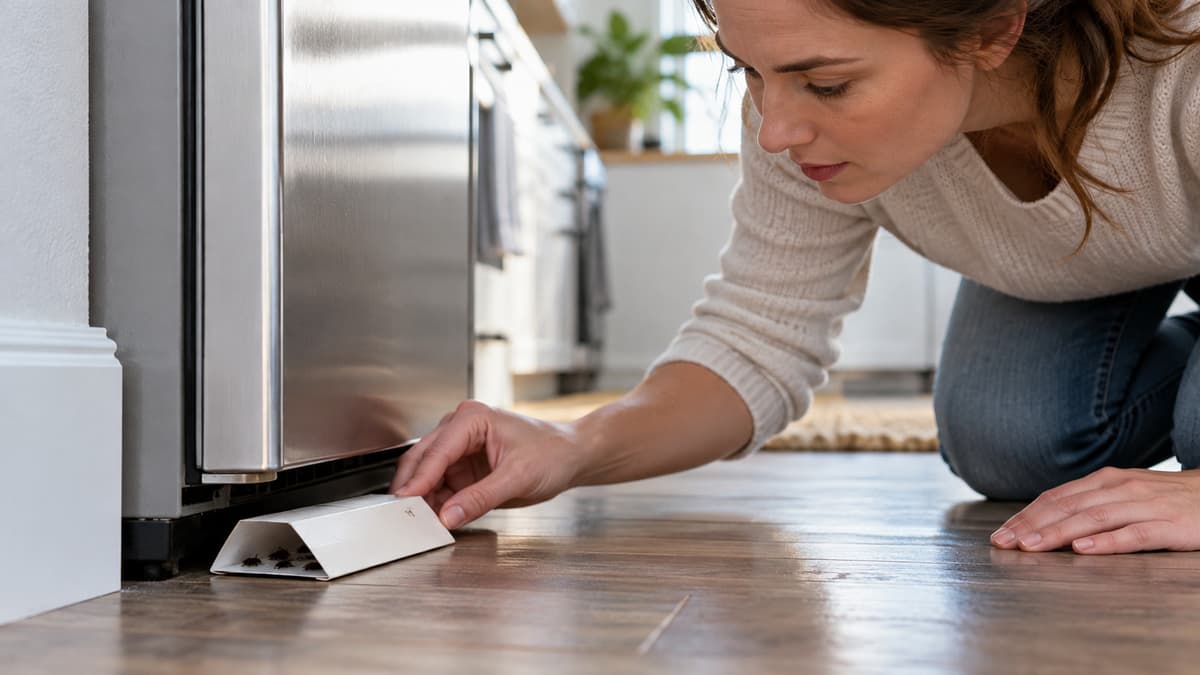
Sticky insect traps show activity. They do not finish the job
A monitoring card shows insect activity. It is a different job from dealing with a wasp nest.
How often to check a trap
An unattended trap wastes bait. In hot weather a wasp lure needs a look before it dries out.