Pest control quote questions: what the visit includes

Pest control quote questions that name the species, the visits, and the method before you book. This research has no UK call-out fee to print.
On this page

You have a slot on Thursday and a sentence that says they will spray. The insect might be a cockroach behind the fridge, wasps under the eaves, or something you have not named. Pest control quote questions are the list you put to the firm before that sentence becomes a booking. A named species, a named number of visits, and a named method are what you are buying.
The points come from the British Pest Control Association’s cockroach advice and wasp advice, a Bromley Council leaflet written for food businesses, and the Health and Safety Executive’s overview of biocides. Peter F. did not inspect your kitchen or run a lab test. Council fees were not captured, and this article has no call-out price. A qualifying purchase through our links can earn a commission at no extra cost to you.
In short
Pest control quote questions should fix the species, the visits, and whether the price covers a survey, bait, monitors, or only a spray. For cockroaches, BPCA describes a survey, then gel or dust, with products the public cannot buy. For wasps, treatment is for a risk, insecticide goes at the entrance, and nest removal may be a second visit. This research has no UK call-out fee.
What a quote should name
The first line on the quote is the species they believe they are treating. A cockroach treatment visit and a wasp job are different bookings, with different methods on the BPCA pages used here. If the person on the phone says insects and moves on to a spray, you still do not know whether the price is a survey, a gel, a dust, a set of monitors, or insecticide at a nest entrance. Questions to ask a pest controller in the UK start there, before a day is agreed.
Ask what happens on the first visit, and what is left for a later one. BPCA’s cockroach advice is a survey, then gel or dust. Its wasp advice is to treat only where there is a risk, with insecticide at the entrance, and it notes that nest removal may be a second visit. A single word, treatment, can hide either of those shapes of work.
Ask whether monitors are in the price, or only an application. A monitor shows whether activity continues between visits. It is a different object from the gel or dust BPCA describes, and from a card you buy yourself. If the firm supplies monitors, ask for them as their own line. The Health and Safety Executive’s biocides overview says the product must be authorised for that pest, so you want the pest and the product type in the same sentence.
BPCA member pest control is a fair extra question, and it stays an extra. Asking if the firm is a member does not replace the species, the visits, or the method. This article does not search a membership list, and it does not treat a yes as a licence or as proof that the insects will be gone after the day they name.
Cockroaches: survey, bait, follow-up
A cockroach treatment visit, on BPCA’s account, starts with a survey: the look at where the insects are living, before any bait goes down. After that look, the treatment BPCA describes is gel or dust, professional products the public cannot buy. A bottle from a shop aisle is a different product, even when the label says cockroach. This research has no price for a shop spray and no price for a professional visit, so cheap cannot be a pound figure here. One application that skips the survey does not follow that sequence.
Bromley Council’s leaflet, written for food businesses, says the job is a programme, not one spray, and that weekly treatments are probably necessary until egg cases hatch. Probably necessary is their phrase, and the leaflet is for a food business. A household that saw one insect in a flat is not that document. You can still ask a household quote what happens if egg cases are part of what the survey finds, and keep Bromley’s weekly rhythm attached to the leaflet it came from.
Ask what the quote includes if cockroaches are still active after the first bait. If the paper stops at one attendance, the next visit is work you have not bought. The top pick in the cockroach trap comparison is the Super Ninja 12-pack, about £13.90, glue cards with food bait. The bullets say those cards kill, and the 4.1 from 3,123 reviews is shared with other pack sizes. BPCA’s path is still the survey and the professional bait the public cannot buy.
Wasps: risk, entrance, removal
Wasp nest call-out questions start with risk. BPCA’s wasp advice is to treat only if there is a risk, and not every nest needs destroying. A nest people rarely meet can be a different decision from a nest beside a door. This page cannot see your eaves or your loft. The question for the firm is why this nest is a risk, and what they will do if it is not.
Where they do treat, BPCA describes insecticide at the entrance. That names a place. It does not, by itself, mean the nest structure leaves the building on the same call. Nest removal may be a second visit. Ask whether the price covers that second visit and the removal, or only the entrance treatment. A quote that never mentions removal has left the question open.
Nest treatment can be dangerous. That is why a shop trap is the wrong tool for closing a nest. A wasp trap is a product wasps can come to in a garden. It does not place insecticide at an entrance, and it does not remove a nest. Ask which doors and loft spaces they need clear, and which nests are in the price because they meet the risk test. A call-out that takes every nest, with no sentence about risk, is a wider job than the advice used here.
What to sort in the kitchen
This research does not give a list of cloths, bin bags, or hours of cleaning. The preparation you can ask about is access, and a clear decision on any shop product already in the room. For cockroaches, BPCA starts with a survey. Ask which places they need open: under the sink, behind the cooker, along the kickboards, the cupboard where you found droppings or shed skins. Sealing every crack the night before can hide the harbourage the survey is there to find. Proofing can still be a question for after that look.
Shop bait on the same day is unanswered in these sources. BPCA’s cockroach products are ones the public cannot buy, so a gel from the firm and a bait from a shop are not the same material. Ask whether their treatment should be the only bait in the room that day. If both stay down, you cannot tell which product the insects met. A biocidal product must be authorised for that pest. You can read your own label. Their authorisation is for them to confirm.
A food business is a stricter version of the same room. Bromley’s leaflet describes a programme, and weekly treatments until egg cases hatch. If you run a café, takeaway, or shop, a booking built as one spray does not match that leaflet. This page does not state a food-hygiene offence. Mice are outside this research too. If the signs are a rodent’s, the shop side of the choice starts at the mouse trap comparison. Ask the firm to name the species before they price a spray.
There is no single price here
There is no standard UK call-out fee this page can print. Council fees were not captured. A figure from another website, or a fee a neighbour paid last summer, is not a source used here. When a firm offers a number, that number is their quote. What you can compare is the work written inside it: which species is named, whether the first visit is a survey, whether cockroach work is gel or dust, how many visits are included if insects remain, whether monitors are included, and whether a wasp price stops at the entrance or includes removal.
What a pest controller does, on the two BPCA pages used here, is that named work. For cockroaches it is the survey and then professional gel or dust. For wasps it is a judgement about risk, entrance treatment where treatment is warranted, and removal that may be another visit. It is not a result this site can promise. A shop trap has a shelf price because it is a product, not a visit. Keep the card’s price and the firm’s quote apart. This research does not add them into a market rate.
Common questions
How many visits should a pest control quote include?
Will they use monitors or only a spray?
Should I ask if they are a BPCA member?
Does the wasp price include taking the nest away?
What should I do before they arrive?
Can I keep using shop bait the same day?
What if the insects come back?
Is there a standard UK call-out fee?

Peter F. is the editor for DIY & tools at productscompared.co.uk. Comparisons in this category are checked against amazon.co.uk listings, review evidence and public UK sources.
Related articles

When a food business must call pest control for cockroaches
A café or takeaway is not the same as a household with one card. A retail trap does not close a food-hygiene duty.
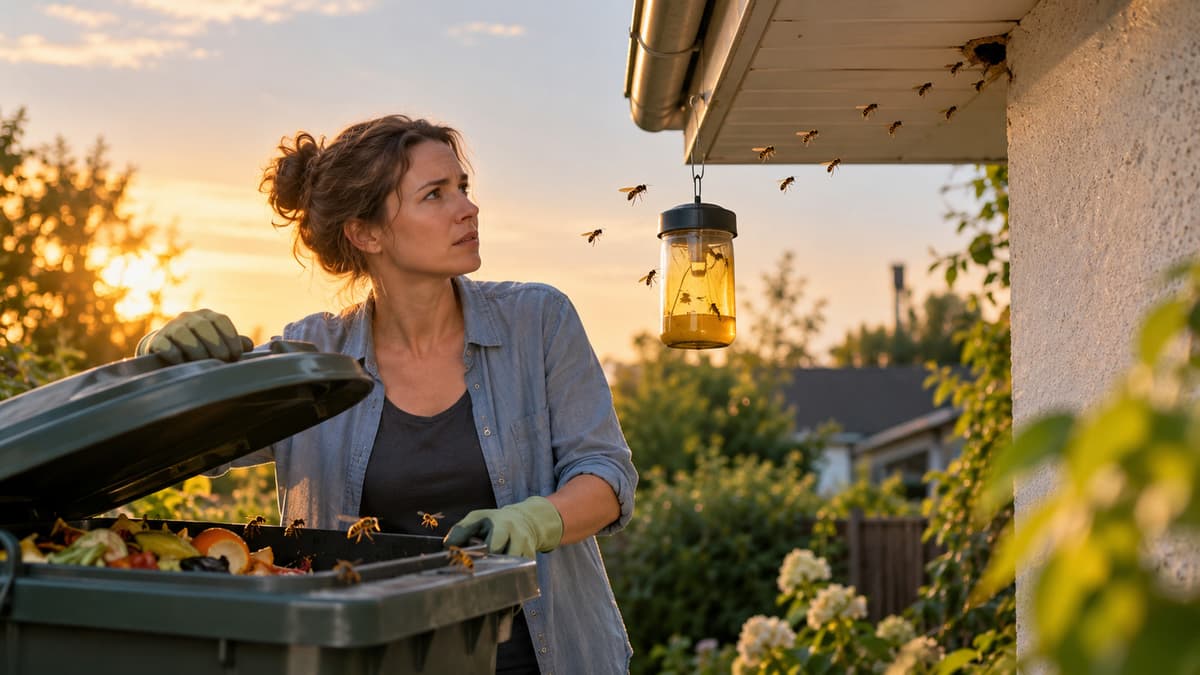
Wasp trap or wasp nest: when you should call for help
A garden trap and a nest are different jobs. Ask when a professional should treat, and when the nest can be left.

Sticky insect traps show activity. They do not finish the job
A moth, fruit-fly, or cockroach card can show that insects are present. It does not clear the harbourage on its own.