How often to check a trap: an interval you can keep
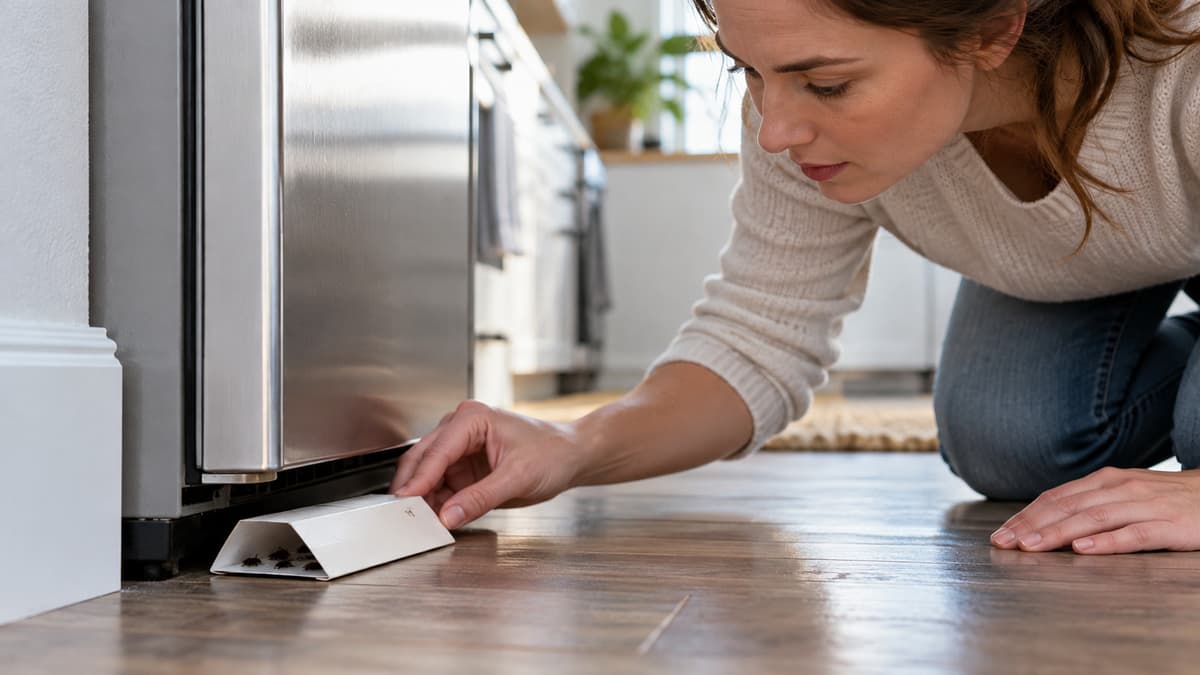
Cockroach cards and live cages need different checks at home. Use the first week, a 30–60 day window, and a same-day plan if an animal is caught.
On this page

You set a cockroach card under the fridge on Sunday. By Thursday it is still there, and you have not looked since you peeled the backing. Or the live cage by the shed has been armed since Friday. How often to check a trap decides whether that effort tells you anything. An insect monitor shows how busy a spot is only if you look at it. A cage that might hold an animal needs you ready on the day you find one. Those are two clocks.
Peter F. took the insect intervals from Pestmatic’s and Hoy Hoy’s amazon.co.uk listings, a British Pest Control Association note on cockroach monitors, a BASF placement guide, and GOV.UK’s rules on invasive non-native animals. The Pestmatic 15-pack in the cockroach trap comparison is about £15.90, with 4.2 from 530 reviews. There was no laboratory test. A qualifying purchase through our amazon.co.uk links can earn a commission at no extra cost to you.
In short
Look once a day through the first week so you learn which spots are active. That daily look is a household rule of thumb, and this research did not find a statute that imposes it on every kind of trap. After that, use Pestmatic’s 30–60 days once a cockroach monitor is unpacked, dust included, and deal with a live-trap catch on the day you find it.
How often to check a trap in the first week
The first week is when the trap is still a question. A practical rule of thumb is one look a day for seven days, at roughly the same time, with a torch if the card sits in shadow. Give each card about a minute. Check for insects on the glue, dust on the surface, a card that has curled or fallen, and whether you can still find the spot you chose. Write the result before you leave the room.
The British Pest Control Association’s public advice is to map cockroach activity and keep monitors in play until there is no further activity. A BASF placement guide puts the same limit in fewer words: a trap shows the level and the location only if you look at it. An unchecked card behind the fridge is cardboard. A quiet first night is one observation. Insects may not have crossed that patch yet. Keep the daily look for the week before you move the card. Binning the only monitor on Monday throws the map away, and so does adding six more cards on Tuesday and checking none of them.
This daily figure is a household rule of thumb for learning the room. This research did not find a statute that sets 24 hours for every trap in the house. People search “check mouse trap daily” because a forgotten trap is a real failure. Match the hardware to the animal in the mouse trap comparison. The interval comes after you know what you set.
Insect cards after the first week
Once you know which spots catch, keep a readable card there and replace it before the glue stops working. Pestmatic’s 15-pack of kraft-paper monitors, ASIN B08GKZWCCB, states the window in days on amazon.co.uk. Recommended use is monitoring German and Oriental cockroaches, with a food tablet in the middle. Sealed, the bullets allow up to 36 months from the manufacture date. Unpacked, they say 30–60 days, and dust can shorten that. The long number is the life in the wrapper. A card on the floor uses the shorter window. Treating 36 months as time already spent on the skirting applies the sealed-pack line to the wrong job.
Hoy Hoy’s Trap-A-Roach listing says to inspect regularly and to avoid direct sunlight. A windowsill fades a card that belongs in a still, dark edge. Use that “regularly” as the prompt to look, and 30–60 days as the diary date. A full card is a count at that spot. Cleaning, proofing, and a contractor if activity continues sit outside the glue. Replace the card when the unpacked days run out, when the glue looks dusty, or when the surface is crowded and you have written the count down. Put the new card in the same place if you are still comparing spots. Bag a full card before it goes in the bin.
A wardrobe moth trap follows the interval on its own pack. The moth trap comparison is the buying page. Moths on a card leave larvae in the clothes as a separate job. Keep cockroach monitors until there is no further activity. A card that expires in the dust cannot show you that stop.
Live-catch cages run on a different clock
If a live cage works, an animal is shut in a box, and the clock is the day you find it. GOV.UK’s guidance on invasive non-native animals says that if you trap, you must be trained and equipped to deal with what you catch. Use that sentence for cages. The cockroach card above has its own window. Equipped means a same-day plan: gloves, a way to move the cage, and a decision already made about what happens next. Release is a separate legal question, particularly for invasive species, covered in live traps and the rules on releasing what you catch.
The top pick in the live trap comparison is the Anyhall silver two-pack, ASIN B0BXH2DGZ7, about £25.49, with 4.4 from 544 reviews. It is two 31.5 cm iron cages with a large pedal and a claimed auto-lock door, sold for mice and rats. There is no carrying handle, so moving an occupied cage is awkward. The product details say electric even though no voltage, plug or battery is listed, so treat it as a pedal-operated cage. The listing warns that large squirrels may chew the wire or break the trigger.
Leaving a live trap overnight works only if you will be there the next day. Arming a cage on Friday and looking on Monday fails that test, because you could not know it would stay empty. Unset the cage before a holiday. An insect card can stay down while you are away. A live cage needs you in the house. This research did not take a daily figure for rodent live traps from a statute, so “every 24 hours” stays a household worry rather than a law for every product in the shed. An occupied cage is urgent on the day you find it. A mouse-sized trap is the wrong box for a rat. If you cannot be there on a day when a catch is possible, leave the cage unset.
What to write down when you look
A check you cannot remember is unfinished. The British Pest Control Association’s advice works when you map the spots and keep returning until activity stops. A phone note is enough if someone else could follow it. Record the date you set the trap, the place in words, what you saw, whether the glue was dusty, and the date you replaced or unset it. “Kitchen” collapses once you have two cards. Number them. A tick with no date hides whether the quiet stretch was three days or three weeks.
If the glue is dusty and the note still says the card is in its first fortnight, replace the card and correct the date. Leave the glue alone. Scraping it to save the old entry gives you a false clean surface and a count you cannot trust. Date the quiet stretch as well, so a fortnight of blanks is something you can point at. This log is a household record of your own checks. A contractor’s monitoring log is a different document.
When checking is no longer the job
Checking earns its place while the trap can still change the next step: move a card, replace dusty glue, unset a cage, or record that a spot has gone quiet. When the same spots stay busy after that routine, and after you have dealt with the obvious food and water, another week of the same card is repetition. The British Pest Control Association’s standard is no further activity.
Shift work that leaves a cage unseen, or a trip longer than the unpacked life left on the cards, means you no longer control the interval. Unset live cages before you go. On return, replace insect cards and trust only the days still inside the 30–60 day window. A full monitor you photograph and then ignore is the large failure. Call a pest contractor when the map stays busy, when you cannot identify the catch, or when a cage holds an animal you are not equipped to deal with. These sources contain no call-out fee, so this page states none.
Common questions
Can I set a cockroach card and forget it for three months?
How often should I look in the first week?
What if the glue is dusty?
How often should I check a live trap that might hold an animal?
Do moth traps need the same check as a cockroach card?
What should I write down after each check?
What if I go on holiday?

Peter F. is the editor for DIY & tools at productscompared.co.uk. Comparisons in this category are checked against amazon.co.uk listings, review evidence and public UK sources.
Related articles

Sticky insect traps show activity
A sticky card shows where insects are active. It does not replace cleaning, proofing, or treatment when the count stays high.

Live traps and the rules on release
Catching an animal alive is only half the job. Release is not always lawful, especially for invasive species.

How to tell a mouse from a rat
Droppings, smear marks and gap size tell you which trap to buy. Match the hardware to the animal you have.