Clothes moth trap wardrobe: find the males, then clean

A clothes moth trap in a wardrobe finds male moths. It will not kill the larvae eating wool. Clean, vacuum, freeze, and know when to call a pro.
On this page
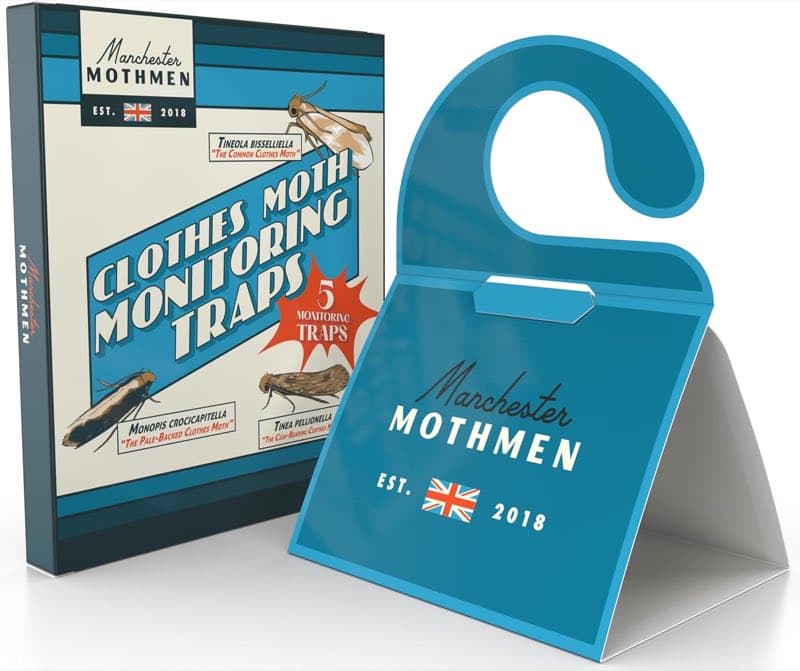
You pull a jumper from the wardrobe and the cuff has a neat hole, or fine webbing sits in the seam of a coat you have not worn since spring. A clothes moth trap wardrobe search is useful if you treat the card as a detector. The adults on the glue are not the animals making those holes. English Heritage’s clothes-moth guidance says the larvae do that damage, and that a pheromone trap finds males and will not control an infestation.
The work that protects the remaining wool is in the cupboard: vacuum the edges, disturb clothes that have sat still, and freeze what the care label allows. The British Pest Control Association advises freezing at -18°C for at least two weeks, and says not to treat dry cleaning as an insecticide. Hot washing can ruin the fibres these moths prefer, so the care label outranks a hopeful cycle. Peter F. did not run a lab test. Listings sit on the moth trap comparison. A qualifying purchase through our links can earn a commission at no extra cost to you.
In short
A clothes moth trap in a wardrobe tells you male moths are flying there. It does not reach the larvae already in the wool, and English Heritage is clear that it will not control an infestation. Clean and freeze on the garment’s terms, and treat a busy trap after that work as a reason to look harder or to call someone.
Larvae make the holes
English Heritage’s account of the damage should change the shopping. Larvae make the holes. The charity’s prevention guidance names two species: the webbing clothes moth, Tineola bisselliella, and the case-bearing clothes moth, Tinea pellionella. A small buff moth on the glue is an adult. The hole in the cuff was made by a larva in the fibre, often in a crease, a collar, or a hem you do not see when the jumper is folded.
Catching adults on a pheromone board does not close a hole, and it does not reach a larva already inside a seam. The lure is built for males, so females miss it, and a busy board can hang where larvae are still feeding. English Heritage’s 2017 Operation Clothes Moth programme left traps out for three months, and the average was 17 webbing moths per returned trap. That citizen-science count is not a product test, and it is not this year’s average for a UK wardrobe.
An empty board beside a jumper that is still gaining holes means the larvae were never the animal the glue was built to catch. If the wool is still being eaten, the next move is the clothes and the edges of the wardrobe. A second pack of the same card, hung in the same place, repeats the same measurement.
Clean and disturb the wardrobe
The British Pest Control Association’s tips for defending fabrics start before a trap goes up: wash before storage, use airtight bags, ventilate, and vacuum. In a wardrobe that already has holes, those jobs disturb larvae a pheromone card will never meet. Empty the rail you can reach. Shake garments outside if you have a balcony, a yard, or a garden, so the debris is not walked back across the carpet. Then vacuum the wardrobe itself.
English Heritage’s prevention guidance includes vacuuming edges: the floor of the cupboard, the corners, the runners, and the gap where the plinth meets the carpet. Use the crevice tool, then empty the vacuum into a bag you can seal and put in the outdoor bin. A full canister left in the hall cupboard stores the debris you just removed. This page will not invent a weekly number the sources do not print. Vacuum again after you have moved the rail, and note the date beside the trap date.
Airtight bags only help when the garment going in is already dealt with. Sealing a jumper that still holds larvae locks the problem in with the wool. Hot washing can wreck the clothes. The British Pest Control Association notes that hot washing can ruin the fibres moths prefer, and wool, cashmere, and silk often cannot take a cotton cycle. If the label says hand wash, cool wash, or dry clean only, follow it. Dry cleaning is not an insecticide either. A cleaned coat can still be frozen or bagged, but the cleaner’s ticket is not a kill claim.
What a pheromone trap can tell you
A pheromone moth trap in the wardrobe is a monitor. The lure draws males onto the glue. English Heritage’s line belongs beside the pack: the trap will not control an infestation. They catch males that land on the board. Larvae in the fibre, and females that never took the lure, stay where they are. Buy the trap to see whether males are flying, and whether fewer appear after you clean.
The top pick on the moth trap comparison is Manchester Mothmen’s five-pack, about £17.95, with 4.6 from 632 amazon.co.uk ratings and a monitoring-only disclaimer. The bullets name the common, case-bearing, and pale-backed clothes moths, and a three-sided trap you can stand in a wardrobe. Those figures are a listing snapshot. They are not a trial of whether the glue saved a jumper. The first 50 written reviews on that listing are from the UK. No life in days is printed, so you replace a dusty board on your own schedule.
Place the trap where you found the damage, and leave it still. A card you move every morning never records one place. These sources do not give one replacement interval for every brand. Change the board sooner if the glue is dusty, because a low count on a dull surface says little. A clothes-moth pheromone is the wrong signal for a moth in the flour. A yellow board that catches by colour is a different product, set out in the yellow sticky traps comparison. How a card that shows activity differs from a product sold to finish the job is in the sticky insect traps article.
Date the trap and name the room. A card in the wardrobe and another in the spare room tell you more than one card you keep moving. An empty trap with fresh glue, the right lure, and new holes is not an all-clear. Males simply did not meet that board during that window.
Freezing, and what not to do with the cleaner
When you freeze clothes moths, the British Pest Control Association’s figure is -18°C for at least two weeks. That is a minimum, not an overnight stay. Choose pieces with damage, or pieces that sat against them, and seal each bag so moisture and food smells stay off the wool. A coat that will not fit is not a candidate. A freezer that never reaches -18°C because it is packed solid is not holding the condition in that advice. If you cannot leave the bag undisturbed for the fortnight, the jumper has not had the treatment in the tip.
Let the bag return to room temperature before you open it, so moisture from the room does not settle on cold fibres. Then put the piece back on the rail or into an airtight bag. A frozen jumper returned to a wardrobe you have not vacuumed goes back to the same edges, and larvae in the carpet gap were never in the freezer. This page has no lab result for a spray. A process that is not an insecticide should not be described as one. In these sources, a cedar block or a lavender bag is not a reason to skip the vacuum or to shorten the two weeks.
When a trap count means a bigger problem
A falling count, after you have emptied the rail, vacuumed the edges, and frozen or bagged the damaged clothes, is the result a wardrobe trap can honestly show. Fewer males on the next card, on fresh glue in the same spot, means the monitor is doing its job. It is not a certificate that every larva has gone. Check the same cuffs again after a few weeks. English Heritage’s 2017 average of 17 webbing moths over three months is not a threshold for a flat, and it is not a reason to wait until a trap reaches 17 before you clean. Compare your own card with itself.
Call someone when the damage is still spreading after you have cleaned the wardrobe you can reach, when males keep arriving on a fresh trap, or when the problem has left the cupboard. Fitted carpet, underlay, a loft, or several rooms at once are beyond a single pheromone board. The trap will not map larvae under a fitted floor, and it will not control the infestation. Take the dated traps with you. This page does not invent a call-out fee, and another multipack does not replace that visit.
Common questions
Do adult clothes moths eat the wool?
Will a pheromone trap clear the wardrobe?
How long do I freeze a jumper?
Should I hot-wash everything?
Where do I put the clothes moth trap?
How often do I vacuum for wardrobe moths?
What if the trap is empty but I still see holes?
When should I call a pest controller?

Peter F. is the editor for DIY & tools at productscompared.co.uk. Comparisons in this category are checked against amazon.co.uk listings, review evidence and public UK sources.
Related articles

Sticky insect traps show activity. They do not finish the job
A full glue card shows who reached that spot. It does not prove larvae are gone, or that the pack may say it kills.
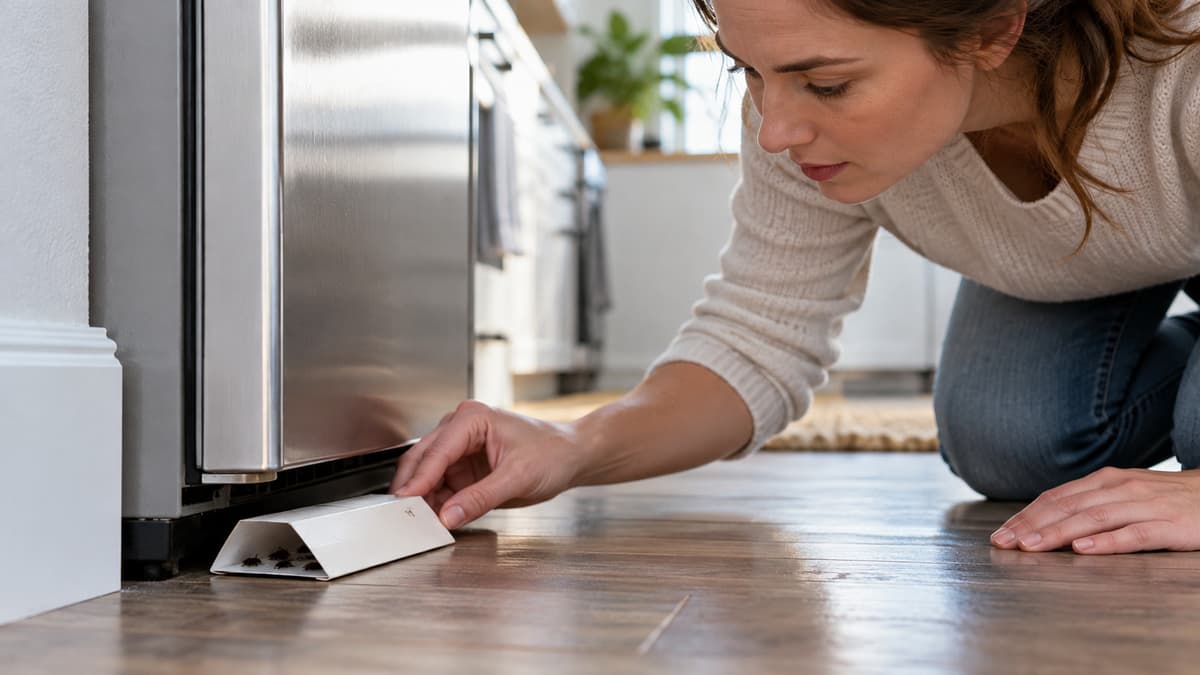
How often to check a trap
Set a day you will actually look. An unattended trap stops being a record, and a forgotten live catch is a welfare problem.

Pest control quote questions: what the visit includes
Questions that make a pest-control quote specific, without a made-up call-out fee, before you book the visit.