Blunt circular saw blade signs: scorch, push and chips

Burn marks, extra push and a rough edge can mean a blunt saw blade, but speed and resin cause them too. How UK users tell the difference before buying again.
On this page
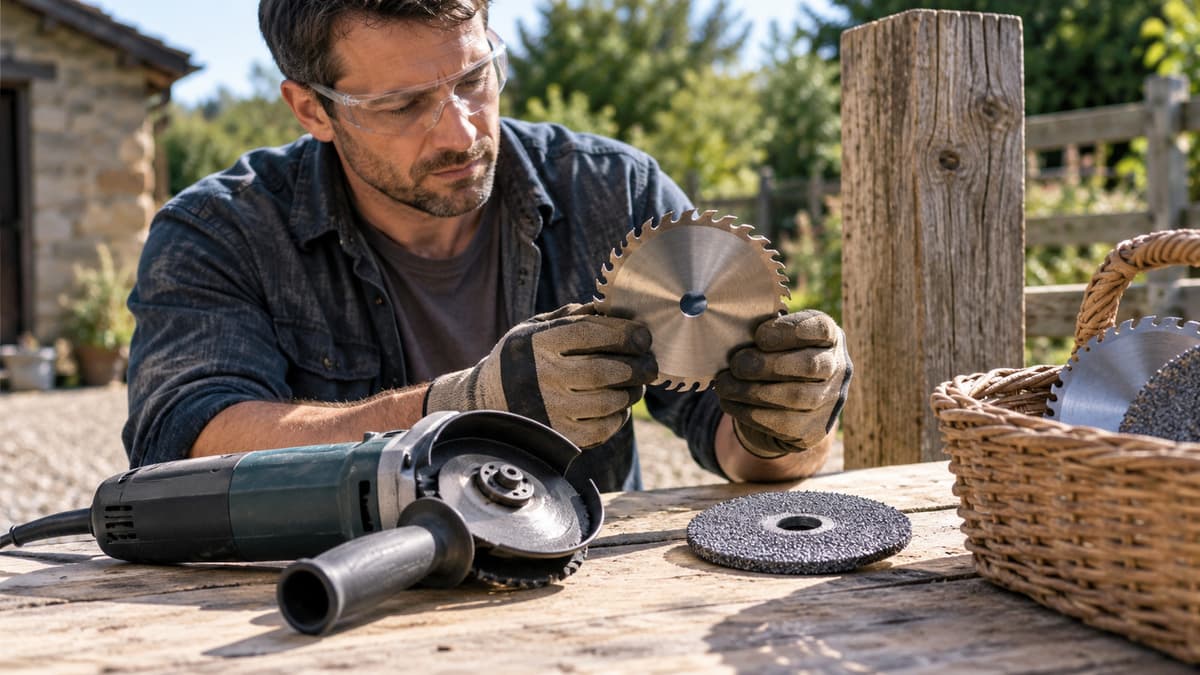
You are halfway along a pine board, the motor is working harder than last month, and a brown line is creeping along the cut. A blunt circular saw blade is the obvious answer. The same signs also come from running too fast, feeding too slowly, resin on the teeth, or a blade never meant for the material. HSE notes and UK buyer reviews help you tell a dead edge from a fixable setup before you buy another blade.
In short
The reliable blunt circular saw blade signs are scorch that stays when you change speed, extra push to keep the cut moving, and visible damage to the teeth. Resin, speed and the wrong blade type cause similar symptoms, so check those first. Do not fix a poor grinder cut by fitting a toothed wood blade: the UK product safety regulator warns that those kick back.
Burn marks and what else they can mean
Scorch is the sign most people notice first, and the one most often misread. A burn line means friction is turning into heat faster than the blade is clearing material. A blunt tooth rubs instead of slicing. So does a sharp blade spinning too fast, or a feed so slow that each tooth passes the same spot several times.
A UK buyer of a HAWCUT blade reported scorch at high speed, and the cut came out cleaner once they slowed the tool down. Nothing about the blade changed. That is a speed problem, and a new blade would not have fixed it.
On an offcut of the same timber, try your usual speed, a lower setting if the tool has one, and a steadier, slightly quicker feed. If the scorch fades, the blade still has life. If every version leaves a dark line and you are pushing harder, the edge is the likelier culprit. A small improvement at lower speed does not prove the teeth are fine. If you have to crawl through soft timber just to avoid burning, that is a warning.
Push, noise and a rough edge
The second sign is effort. A sharp blade pulls itself through with moderate guidance. A dull one needs pressure, and you start leaning into the saw. HSE information sheet WIS16 on circular saw benches says dull or badly set blades increase the effort needed to feed the work and raise the risk of kickback.
When you push harder, you have less control if the blade binds. On a bench saw the timber can be thrown back. On a hand-held circular saw the tool can lift or jump out of the cut. Extra push is a reason to stop before the next cut.
The third sign is the finish. A worn blade tears fibres, so the edge comes out ragged or fluffy. A UK buyer of a Fresilkora blade described a rough edge and a shorter life than expected. A Chersun reviewer said furniture-board edges needed sanding. A rough edge can also mean the wrong tooth pattern. If the roughness arrived gradually on a blade that used to cut cleanly, wear is the more likely reason.
A disc that dies immediately
Some buyers do not get a gradual decline. A UK review of an Oiieco disc said it was worn out after cutting a single brush handle. That is not ordinary wear.
A disc that fails that quickly is usually poor quality, the wrong type for the material, run above its speed rating, or a bad fit. A blade that does not seat on the arbor will not run true, and it wears unevenly. Our guide to matching saw blade bore and diameter explains why 22.23 mm, 20 mm, 16 mm and 30 mm bores are not interchangeable.
One brush handle may have hidden a screw, or the disc may have been pressed hard. If yours dies the same way, check the listing before you blame yourself. The 125 mm wood cutting disc comparison lists bore, stated tool, pack size and whether the disc handles nails. On reclaimed timber, a hidden nail can chip carbide if the listing does not say the disc cuts wood with embedded screws and nails.
Saw-bench rules that still help a hand saw
HSE's WIS16 was written for circular saw benches at work, not a DIY saw in a garage.
Keep blades free of gum and resin. Pine resin builds up on the body and the tooth faces, adds friction, and can make a sharp blade behave like a blunt one. A dark, glossy or sticky coating may clean off and bring the cut back.
Never clean a blade while it is running. Switch the saw off, wait until it stops, and unplug it or remove the battery before you touch it. On a bench the riving knife and guard reduce kickback. On a hand-held saw your grip does more of the work, so extra push puts more of the burden on you.
Under good light, a sharp carbide tip has a clean corner. A worn one looks rounded. A chipped tip, or a missing tooth, will not recover with cleaning. Replace that blade.
When the sign is the wrong accessory
If a new blade shows every warning from the first cut, the problem is rarely sharpness. A 165 mm blade with a 20 mm bore is a different part from a 250 mm mitre-saw blade with a 30 mm bore, and neither belongs on an angle grinder. A coarse ripping blade can tear melamine or furniture board, and a blade sold for aluminium is made for that metal, not timber. The 165 x 20 mm saw blade comparison sets out what each compact-saw listing is for. Metal-cutting blades are in the circular saw blade for aluminium comparison.
If a grit disc on a grinder feels slow, do not swap it for a toothed wood blade on the same 22.23 mm bore. The Office for Product Safety and Standards warning PSA5 says toothed saw blades on angle grinders can kick back. A grinder does not have the guard, riving knife or base plate of a circular saw, and a toothed blade can grab and throw the tool. We explain that in toothed saw blades on an angle grinder.
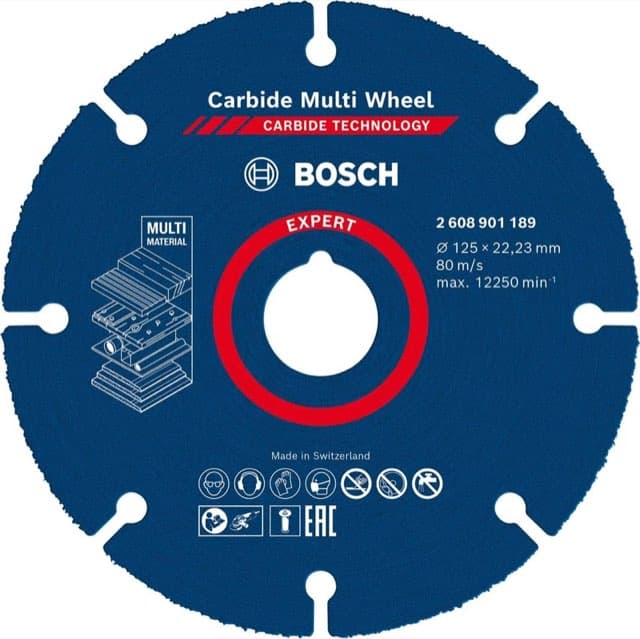
For wood on a grinder, use a disc made for it. The top pick in our comparison is the Bosch Expert Carbide Multi Wheel 125 mm, a toothless carbide grit disc at about £15.96 on amazon.co.uk, with 4.7 out of 5 from 1,407 reviews. The listing states a 22.23 mm bore and grit 80, and the bullets say it cuts wood with embedded screws and nails. It will not leave a furniture-grade edge, and the listing does not state a maximum speed, so check your grinder's rating before use. A circular saw with the right blade is still the better tool for a straight, clean edge.
A five-minute check before you buy
Before you order a replacement, rule out causes a new blade would not fix.
- Make the saw safe: switch it off, let the blade stop, and unplug it or remove the battery.
- Confirm diameter and bore match the saw plate, and that the blade sits flat and tight.
- If resin coats the body or teeth, clean the stopped blade and test an offcut.
- Look for rounded tips, chipped carbide or missing teeth. Damage means replacement.
- Try a lower speed, if you have one, and a steady feed. If scorch fades, it was setup.
- Check the listing against the material, including hidden screws or nails.
If a clean, correctly fitted blade still burns, needs force and leaves a torn edge, it is blunt. The extra push is the same extra push HSE links to kickback. This guide draws on HSE WIS16, OPSS PSA5 and UK reviews on amazon.co.uk. We have not lab-tested blade life, and we do not give a cut count, because life depends on material, contamination and how you use the saw. A qualifying purchase through our links may earn us a commission at no extra cost to you.
Common questions
Is scorch on the wood always a sign of a blunt circular saw blade?
What does HSE say about dull saw blades?
How do I tell resin build-up from a worn tooth?
My cutting disc was finished after one cut. Is that normal wear?
Should I sand the edge instead of changing the blade?
Can I fix a blunt angle grinder cut by fitting a toothed wood blade?
When is the blade the wrong type rather than blunt?

Peter F. is the editor for DIY & tools at productscompared.co.uk. Comparisons in this category are checked against amazon.co.uk listings, review evidence and public UK sources.
Related articles
Toothed saw blade on an angle grinder: what the UK alert says
Why the OPSS warning on toothed grinder attachments matters before you fit a wood blade to a 115 or 125 mm grinder.

Saw blade bore size UK: match the hole and the diameter
22.23 mm, 20 mm, 16 mm and 30 mm bores are not interchangeable. How to read the listing before you order a blade.

Wood dust from an angle grinder: why short cuts still count
Short cuts with a grit disc still make fine dust. What that means for timber, MDF and the room you cut in.