Store carrots over winter UK: when to leave or lift

Leave maincrop carrots in free-draining UK soil under a 15 cm cover, or lift a wet bed and store sound roots in moist sand through a British winter.
On this page
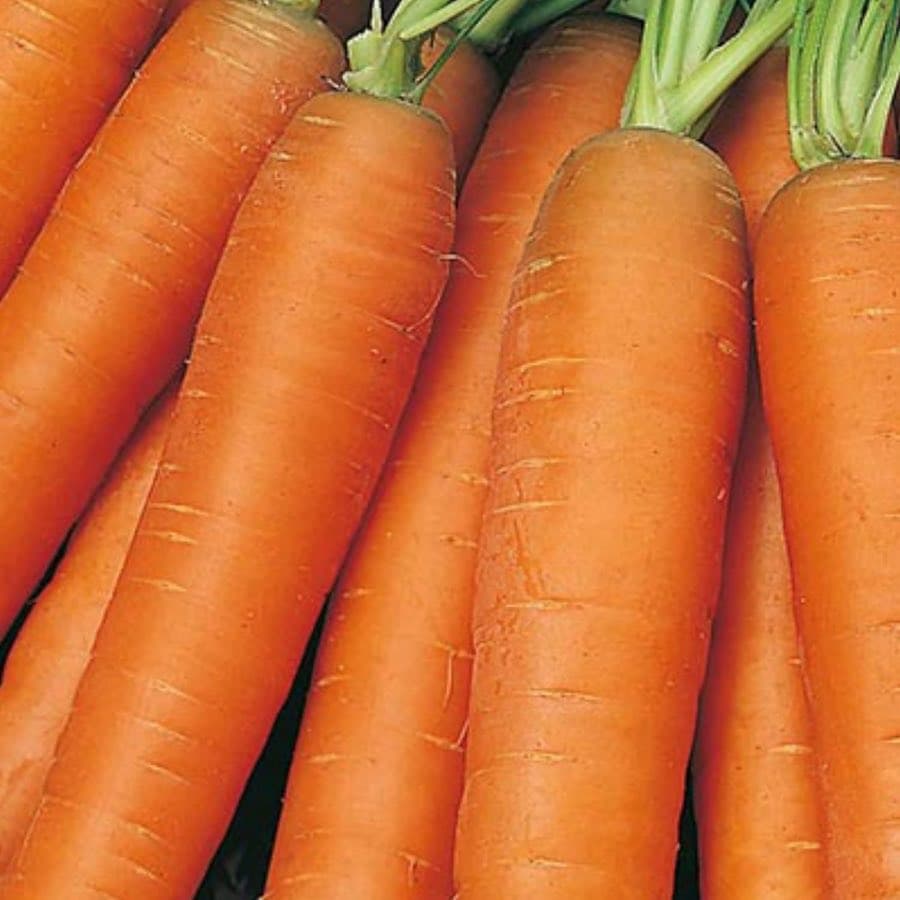
The row is still in the ground in late autumn, an Autumn King type sown for size, and the first hard frost is close. To store carrots over winter UK weather leaves you one real fork in the road: a bed that drains, or a bed that sits wet. A free-draining row can stay under a thick cover and be lifted as you cook. A waterlogged row needs lifting, because roots left in standing water rot. Products Compared has not stored a trial crop. This page is a method drawn from public guidance plus one amazon.co.uk display.
The leave-or-lift split comes from the Royal Horticultural Society pages on storing root vegetables and on growing carrots. A Telegraph piece quotes RHS Advisory on that same split. The amazon.co.uk display we used for Mr Fothergill's Autumn King 2, ASIN B001P3WYWI, was £2.34, with a sandy-soil attribute and no answer on the pot question. The line that it stores well is seller copy. A qualifying purchase through our amazon.co.uk links can earn us a commission at no extra cost to you. Set that packet against the range on our carrot seeds comparison.
In short
Leave sound roots in free-draining ground under about 15 cm of straw, cardboard, or bracken, and pull them as you cook. Lift a wet bed, take the tops off, and layer the sound roots in moist sand, with damaged roots eaten first. Build a carrot clamp only for a crop that will not fit in boxes, and treat a packet's storage line as seller copy.
Leave carrots in the ground when the soil drains
If you can walk the row after rain and the surface sheds water, the bed is already storing the crop. The RHS describes leaving roots in well-drained soil under about 15 cm of straw, cardboard, or bracken, so a fork still goes in when the surface freezes. A thin scatter of leaves lets the crown cap. Mark both ends of the row before the cover goes on, because straw hides the line within a week. Pull only what you will eat in the next few days, and put the cover back the same hour. An open patch freezes harder than the covered soil beside it.
The method holds while the drainage holds. A bed that is fine in October can sit wet in January after weeks of British rain, especially on a low allotment or at the foot of a slope. A glassy, soft shoulder means that patch has finished as a store. Straw also gives mice a dry run, so burrows along the row are a reason to lift what is left. Leave the tops on while the roots stay in the soil. The RHS instruction to take the tops off belongs to a box or a clamp. Cutting the row to the crown and leaving it bare loses the marker and exposes the shoulder.
Lift them when the bed stays wet
The RHS guidance on growing carrots is to lift if the soil is waterlogged. That is a soil test, with no fixed week. A maincrop can sit through December in ground that drains, and it can fail in November in clay that holds water. Shining footprints in the row two days after rain are the signal to lift. On heavy ground the long taper was already a risk at sowing, but the decision on a wet day is to get the roots out.
Lift on the driest day you can get, with the fork beside the row so the tines miss the shoulders. Brush loose soil off with your hand. Split, holed, or soft roots go straight to the kitchen. The Country Smallholding harvest note, a grower article and not a standard, says to check for fly tunnels before you store and to use damaged roots first. Once a root is out of the ground, the soil has stopped insulating it. Put lifted roots into store the same day, somewhere cool and away from a heated kitchen. The RHS pages we used give no target temperature. A place that stays cool, and stays clear of a hard freeze, is the practical limit. A box next to a boiler will sprout and soften long before a box on a north wall.
Store carrots in sand
A box of moist sand is the indoor store the RHS describes for lifted roots. Take the tops off on the bench before anything goes in the crate. Foliage left on a lifted root draws moisture out of it and hides the shoulder, where rot shows first. A snap at the crown is still a wound, so that root joins the eat-first pile. As a rule of thumb, a handful of sand should hold together when you squeeze it and should not drip. Dripping sand keeps the box wet. Bone-dry sand wrinkles the roots. Builder's sand is usable when the moisture is right. A watering can tipped through the crate undoes the store in one go.
Lay sand, then a single layer of roots that do not touch, then sand, until the box is full. Contact points pass rot from one root to the next. Keep the box off a sweating concrete floor, and look through the layers every couple of weeks. One soft root comes out the day you find it. Sand storage suits a household crop you can carry indoors. Once you are filling sacks rather than a couple of crates, a clamp starts to earn its space.
Build a carrot clamp only for a large crop
A clamp is an outdoor heap for a quantity that will not fit in boxes. The RHS describes one about 1 m high, with a straw chimney so the heap can breathe. One short row is an afternoon with a crate. A clamp belongs to several rows that have to come up together because the ground has turned wet. Building one for a single crate adds a rodent risk a box does not.
The chimney is the detail the RHS names, and it is the detail people skip. A sealed mound of damp roots holds moisture in the centre, which is where the heap fails. Rain and rats both work on a heap at the edge of a plot. If you cannot open it and look, keep the crop in boxes you can carry to the back door. Keep other root crops out of the same heap. Seed potatoes want darkness and a dry sack, not moist sand. The clamp you build for carrots stays a carrot clamp.
What not to put into store
Carrot-fly tunnels are the clearest reject. A rusty burrow stays open in sand, and the Country Smallholding note says to cook those roots first. Splits, bites, and a soft tip follow the same path into the kitchen. A fork with intact skin can go into the box if you will eat it before the straight roots. A cracked fork is for the pot this week. A whole row of forks points back to stones, fresh manure, or a move from a module, and a winter box will not straighten that.
Autumn King storage on a packet is seller copy. The amazon.co.uk display for B001P3WYWI was £2.34, the bullets say the variety stores well, and a sandy-soil attribute is present. That display does not answer whether the plant suits a pot. A cracked root is a weak keeper whatever the packet promised. Heavy soil and root shape sit on Nantes or Chantenay carrots. How to read a storage line sits on the carrot seed buying guide. Brush the soil off, and save washing for roots you are about to cook. Storage holds a sound root in a cool place. It will not firm a glassy shoulder, fill a fly tunnel, or turn a waterlogged bed into the sandy ground named on the listing.
Common questions
Can I leave carrots in the ground over winter?
When should I lift carrots for storage?
How do I store carrots in sand?
What is a carrot clamp, and when is it worth building?
Do I cut the tops off carrots before storage?
Will forked carrots store?
Does Autumn King keep better because the packet says so?
How do I stop stored carrots rotting in a box?

Products Compared publishes British-English buying guides based on amazon.co.uk listings and public UK sources. We do not run a lab and we do not invent test scores.
Related articles

How to stop carrot fly in a UK garden
A low fence is a weaker barrier than a full cover once rusty tunnels are already in the roots.

Why carrot roots fork
Stones, fresh manure, and transplanting fork roots more often than the variety name on the packet.

Carrots on heavy clay
A long maincrop forks in heavy clay. A stump-rooted type is the practical switch for that bed.