Forked carrots causes: stones, manure, and moved seedlings

Stones, fresh manure, and moved seedlings fork carrot roots. A shorter type suits stony soil. Wonky roots can still taste fine, and they take longer to wash.
On this page
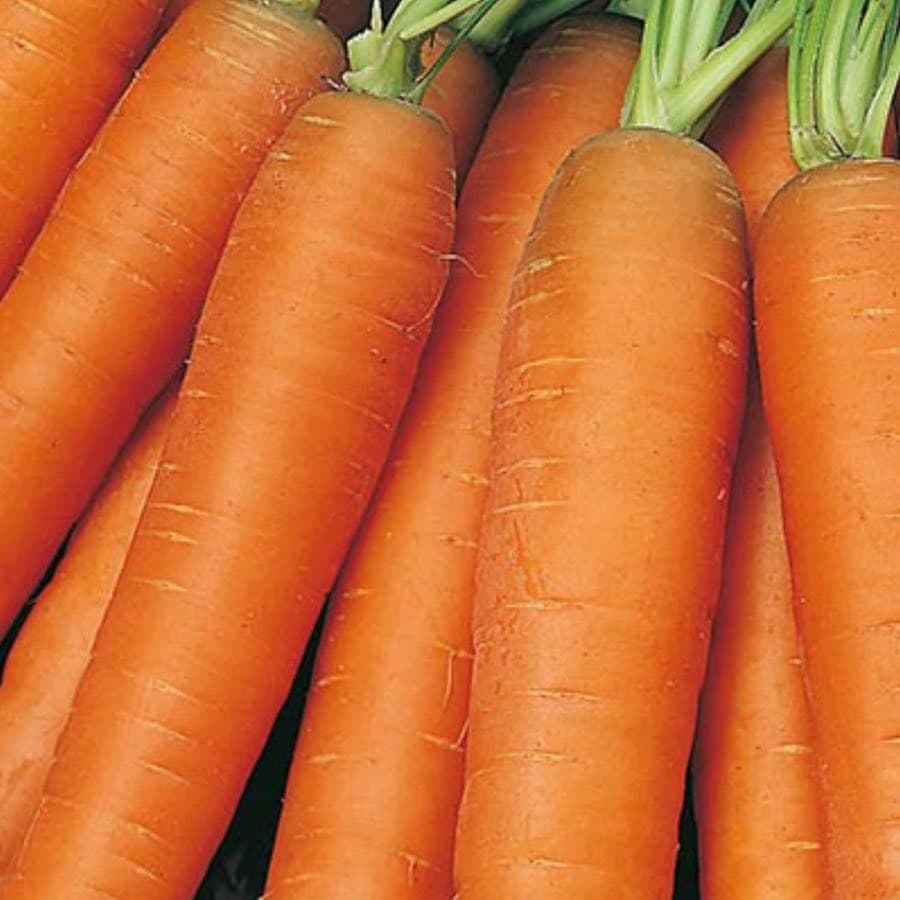
You pull the first root in July and it comes up with two legs and a lump of grit in the joint. Forked carrots causes sit in the bed and in the way the row was handled. The Royal Horticultural Society's carrot guide names stones, shallow soil, clay, and transplanting. Suttons, on Early Nantes 5, says to skip recent manure. Which? notes that a rich nitrogen feed forks roots. A sound packet can still give you misshapen carrots when any of those are in the drill.
Products Compared grew no trial row. The price further down is GBP from this batch's amazon.co.uk listing. A qualifying purchase through our links can earn us a commission at no extra cost to you. Which? scores stay behind that site's paywall, and none are copied here.
In short
Forked carrots causes are stones, a shallow tilth, clay, transplanting, recent manure, and a rich nitrogen feed. Clear the sowing line, leave seedlings where they germinate, and keep fresh manure and a leafy feed off the row. On ground you cannot deepen, a shorter type is the change. Wonky roots can still taste fine, and they take longer to wash.
Stones, shallow soil, and clay
Stony soil carrots fork when the tip meets a flint, a bit of brick, or a hard pan under a fine surface. The Royal Horticultural Society groups stones with shallow soil and clay. The crumb on top can look ready for seed while the workable tilth is only a spit deep. The root has nowhere to run in one line, so it divides. You see it at the first pull: a normal shoulder, and a claw underneath.
Walk the row before you blame the brand. Forks crowded into one patch, with single roots at the cleaner end, point at the ground. A spoil line, a filled path, and gravel tipped at the bed edge all do this. Clay lumps work like stones. The tip hits a wet smear and splits around it.
Short carrots for stony soil come after you have felt that depth. Raking until the surface looks smooth leaves the stones where the root will grow. Work the drill with your fingers and lift what you find, down to pieces the size of a pea, before the seed goes in. A fork used after the row is up slices roots you meant to keep.
A trough with a shallow fill copies the fault. The compost looks fine, the base is hard, and a long root forks when it arrives there. Pot depths are on how deep a pot carrots need. On the open bed, a tidy surface is a weak guide to what the tip will meet.
Fresh manure and a rich feed
Fresh manure carrots are the fork that follows a helpful-looking barrow. Suttons, on Early Nantes 5, says to avoid recent manure. The line gives you the rule and no month count, and Suttons prints no waiting calendar. Manure you can still recognise as fresh stays off the carrot bed. Strawy dung that still smells sharp belongs with that reading.
The tip is what reacts. A pocket of unfinished muck in the drill can branch those plants while a neighbour in cleaner soil stays single. That patchy pattern is the clue. Pull one root from where you remember tipping the barrow, and one from the far end, before you decide the whole packet failed.
Which? notes that a rich nitrogen feed forks roots. No rate is taken from that article, and the scores are paywalled. A liquid mixed for cabbage, a lawn, or a hungry leafy bed is the bottle to keep off a carrot row that is already sizing. If the heap still looks fresh, leave this bed unfed for the carrot year and put the manure on a crop you grow for leaves or pods.
Transplanting carrot seedlings
Transplanting carrots bends the tip. The Royal Horticultural Society lists it with the soil faults. A seedling looks sturdy enough to move, the way you move a lettuce, and the thin root is the part that kinks. Once that tip is damaged, the plant grows on as two or more points. You meet the fork in July and forget the April afternoon you pricked them out.
Sow where the root will finish: the open drill, or a pot deep enough for the type you chose. A module tray looks neat in March. Sliding the plug out, compost and all, is still a move, and the tip can catch the hole and turn. Seedlings already tangled in a tray are better composted, with a fresh sowing made in place.
The fault named here is lifting a plant and setting it somewhere else. These sources do not set out a thinning method, so this page leaves thinning alone. A row you have already moved can still be eaten. The shape is set, and the next sowing is seed in the final spot.
When a shorter variety is the change
A different variety earns its place when the tilth will stay shallow. Stones you cannot clear, and clay that smears back into lumps after rain, meet a long root every time. Short types are the match for that ground. A stump-rooted carrot, Chantenay among the names on packets, swells in a shorter depth. A long maincrop keeps asking for soil the bed does not have. The clay case is on carrots on heavy clay.
Early Nantes is a blunt root with a small core on the seller's line, and it asks for more depth than a stump. In this batch, Meldon Early Nantes organic is about £3.05 on amazon.co.uk, with 4.1 from 31 reviews. One reviewer described a misshapen winter crop that still tasted good. That text shows a wonky root can be worth eating. It leaves the cause open, and it says nothing about every Early Nantes.
Read the shapes on the Nantes versus Chantenay page before you reorder a long type for a stony strip. The carrot seed comparison is where those packets sit together, with prices in GBP. A stump type still forks if you transplant it or sow it into fresh manure. The shorter root drops the demand for depth. The other causes stay.
Eating misshapen carrots
Misshapen carrots are a washing job. The Royal Horticultural Society says wonky roots can still taste fine, and that they are harder to clean. Soil packs into the crotch and into any fold a stone made. A quick rinse leaves grit in the grate. Scrub that joint, snap the legs apart if you need to reach it, and cut out anything green at the shoulder.
A firm fork roasts, goes in a soup, or sits in a salad once it is clean. Cut the thick shoulder and the thin legs to a similar size so they cook through together. A root that is soft, mouldy, or slimy has a storage problem, and it comes out. Shape alone is a weak reason to bin the bucket.
Wash, dry the surface, and store the forked roots with the straight ones from the same sowing. Soil left in the joint rots from that damp pocket. A clawed row is still a crop, and it is a note for next spring about stones, manure, or a move.
What to change before the next sowing
Use the row as a map. Where the forks clustered, dig that stretch while it is empty and take out stones through the depth you want the next root to use. Break clay lumps in that drill. A barrow of fresh manure stays off this bed for the carrot year. If it is already on, grow something else there and move the carrots.
Sow the next seed where it will stay. Leave the seedlings unlifted. Skip a high-nitrogen liquid on that row. If the tilth is still shallow once the obvious stones are out, choose a stump type so you buy the shorter root on purpose.
Keep the old packet when the stand was even. That pattern points at soil and handling. A row with almost no plants is a buying question, about seed count or the sowing, and it belongs with the carrot seed comparison. A new brand name in the same stony drill repeats the fork. A crack down an otherwise single root is a split, a different shape from the branched root these sources describe.
Common questions
Why did my carrots fork?
Is stony soil the only cause?
Does fresh manure fork carrots?
Can I transplant carrot seedlings?
Are forked carrots safe to eat?
Will a different variety fix clay?
Does a rich liquid feed make forks?
Should I throw a misshapen crop away?

Products Compared publishes British-English buying guides based on amazon.co.uk listings and public UK sources. We do not run a lab and we do not invent test scores.
Related articles

Carrots on heavy clay
A long maincrop forks when the tilth stays shallow. A stump type is the practical switch on clay.

How deep a pot carrots need
Baby roots and long roots do not share one pot depth. A shallow trough repeats the fork you see in stony ground.

Succession sowing carrots through a UK summer
One thick April sowing leaves a gap. A short later row still gives you roots if the first row comes up forked.